Proveedor de componentes electrónicos | Transformadores, Inductores, Inversores


¿Qué es un transformador sumergido en aceite??
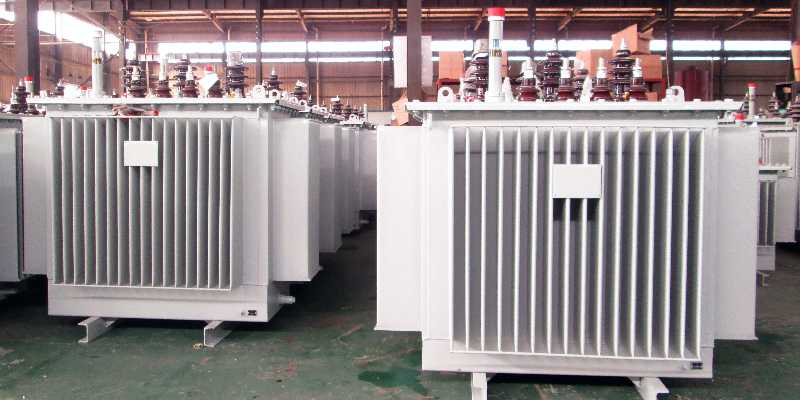
Untransformador sumergido en aceite is a power transformer that usesaceite aislante (aceite mineral o éster sintético) for bothenfriamiento yaislamiento eléctrico. El núcleo y los devanados están sumergidos en aceite., which dissipates heat and prevents electrical breakdown.

Key Components
Centro: Laminated silicon steel to reduce eddy current losses.
Devanados: Copper or aluminum conductors (HV/LV).
Tanque: Sealed steel container filled with oil.
Insulating Oil:
Mineral oil (most common).
Bio-based or synthetic ester (eco-friendly alternatives).
Cooling System:
Radiators/fins (ONAN – Oil Natural Air Natural).
Fans (ONAF – Oil Natural Air Forced).
Protection Devices:
Relevo Buchholz (gas detection for internal faults).
Pressure relief valve.
Sensores de temperatura (oil/winding).
Types of Oil-Immersed Transformers
Hermetically Sealed
Fully sealed tank (no oil exposure to air).
No conservator; bajo mantenimiento.
Conservator-Type
Expansion tank (conservador) with breather to absorb moisture.
Common in large transformers.
Step-Lap Core Design
Reduced no-load losses and noise.
Specialty Types:
Fire-resistant (less-flammable oil).
Underground (diseño compacto).

Ventajas
✔ Alta eficiencia: Oil provides excellent heat dissipation.
✔ Long Lifespan: Correctamente mantenido, lasts 25-30 años.
✔ Rentable: Lower initial cost than dry-type transformers.
✔ Capacidad de sobrecarga: Handles temporary overloads better.
Desventajas
✖ Fire Risk: Oil is flammable (requires fireproof barriers).
✖ Mantenimiento: Regular oil testing and leak checks needed.
✖ Preocupaciones ambientales: Oil disposal and spill risks.
Aplicaciones
Power Distribution: Step-down 11kV/33kV to 400V.
Industrial Plants: acerías, chemical factories.
Energía Renovable: Wind/solar farm substations.
Railways: Traction power supply.
Maintenance Requirements
Oil Testing:
Dielectric strength (>30 kV for mineral oil).
Acidity (<0.1 mg KOH/g).
Moisture content (<20 ppm).
Leak Inspection: Check gaskets, welds, and valves.
Sludge Removal: Clean oil ducts periodically.
Estándares & Certificaciones
CEI 60076: Estándares internacionales.
IEEE C57.12.00: North American standards.
GB/T 6451: Chinese standards.
Oil-Immersed vs. Transformadores de tipo seco
Característica | sumergido en aceite | Tipo seco |
Enfriamiento | Aceite | Air/Solid Insulation |
Fire Risk | Más alto | Más bajo |
Mantenimiento | More frequent | Mínimo |
Eficiencia | Better at high loads | Slightly lower |
Costo | Menor costo inicial | Más alto |
Purchasing Considerations
Capacidad (kVA): Match to load requirements.
Relación de voltaje: Input/output voltage levels.
Impedancia: Typically 4–10% for distribution transformers.
Environment: Indoor/outdoor, temperatura, humedad.
Certificaciones: Ensure compliance with local regulations.
Preguntas frecuentes
q: Can oil-immersed transformers be used indoors?
A: Sí, but require fireproof vaults and ventilation (NFPA 70 normas).
q: How often should oil be tested?
A: Annually for routine checks; after overloads or faults.
q: Are biodegradable oils reliable?
A: Sí, synthetic esters offer similar performance with lower fire risk.
For acustomized selection, proporcionar:
Load details (kVA, Voltaje).
Entorno de instalación.
Special requirements (p.ej., bajo ruido, high efficiency).
PUBLICACIONES RELACIONADAS
Transformador inteligente montado en poste: Cómo convertirse en un guardián silencioso del suministro de energía estable?
Disipador de calor del motor sin escobillas: Actuación, Diseño y aplicación
Alimente su viaje con sol: La guía definitiva de estaciones de carga solares para coches eléctricos
El futuro de la energía verde: Los cargadores solares para vehículos eléctricos revolucionan el transporte
2026 Tendencias en transformadores fotovoltaicos: El centro central de sistemas energéticos impulsados por redes inteligentes y IA