Proveedor de componentes electrónicos | Transformadores, Inductores, Inversores


Conclusiones clave
- Los indicadores magnéticos utilizan acoplamiento magnético sin contacto para mayor precisión y menor mantenimiento..
- Los indicadores de tipo flotador son más simples y económicos pero requieren un mantenimiento más frecuente.
- Elija magnético para entornos exigentes (temperatura alta, presión, vibración); tipo flotador para un presupuesto económico, aplicaciones no críticas.
- Considere el costo total del ciclo de vida, no solo precio inicial, al seleccionar un indicador.
Cómo elegir: Respuesta directa
Al seleccionar entre indicadores de nivel de aceite magnéticos y de tipo flotador, Los factores clave son los requisitos de precisión., condiciones ambientales, capacidades de mantenimiento, y presupuesto. Indicadores magnéticos (p.ej., tipos de solapas magnetoestrictivas o magnéticas) son adecuados para monitoreo de alta precisión, ambientes hostiles, y configuraciones de bajo mantenimiento, mientras que los indicadores de tipo flotador proporcionan una forma rentable, Solución más sencilla para aplicaciones menos exigentes donde es posible realizar inspecciones periódicas..
La elección se reduce a priorizar la confiabilidad a largo plazo y un mantenimiento mínimo. (magnético) versus economía inicial y operación mecánica sencilla (tipo flotador). Temperatura, vibración, presión, y el tipo de aceite también influyen en la decisión. Este artículo proporciona una comparación detallada para ayudarle a evaluar ambas tecnologías según sus necesidades específicas..
Cómo funcionan los indicadores magnéticos de nivel de aceite
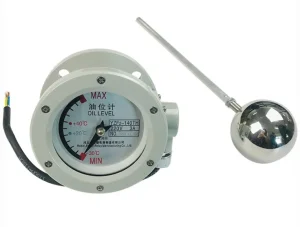
Los indicadores magnéticos de nivel de aceite utilizan un mecanismo de acoplamiento magnético para transmitir la posición del flotador a un indicador externo sin contacto directo con el aceite.. Un flotador que contiene un imán permanente se mueve con el nivel del líquido., y su campo magnético impulsa un imán seguidor o una serie de aletas magnéticas en el exterior de la cámara. Este diseño elimina los sellos mecánicos y las piezas móviles dentro del tanque., reduciendo los riesgos de fugas y el desgaste.
Las configuraciones comunes son sensores magnetoestrictivos. (que miden el tiempo de vuelo de un pulso magnético) e indicadores de solapa magnéticos (que muestran un cambio de color visible cuando las solapas se giran). Ambos tipos ofrecen alta precisión., normalmente dentro de ±1 mm, y puede funcionar bajo alta presión y temperaturas extremas. Son muy utilizados en transformadores., tanques de almacenamiento de petróleo, y recipientes de proceso industrial, junto a accesorios de protección de transformadores, donde el control preciso del nivel es fundamental.
Cómo funcionan los indicadores de nivel de aceite tipo flotador
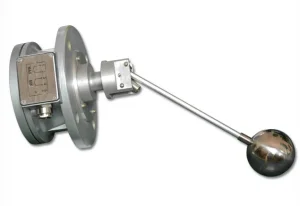
Los indicadores de nivel de aceite de tipo flotador funcionan según un principio mecánico directo.: un flotador se desplaza sobre la superficie del líquido, y su movimiento se transfiere a través de una palanca, vara, o eje giratorio a un indicador visual o transmisor. El flotador suele estar fabricado de materiales resistentes a la corrosión, como acero inoxidable o plástico., Y el varillaje está sellado para evitar fugas de aceite.. Los diseños más simples muestran el nivel a través de una mirilla o un puntero en una escala..
Estos indicadores son generalmente menos costosos que los magnéticos y son sencillos de instalar y mantener.. Sin embargo, Son más susceptibles al desgaste de las piezas móviles., vibración, y ensuciar, que requieren calibración e inspección periódicas. La precisión es moderada., normalmente entre ±5 y 10 mm, y pueden no ser adecuados para temperaturas o presiones muy altas a menos que estén especialmente diseñados. Siguen siendo comunes en aplicaciones donde el costo es una preocupación principal y el medio ambiente es relativamente benigno..
Diferencias clave entre indicadores magnéticos y de tipo flotante
La distinción fundamental está en el principio de funcionamiento.: Los indicadores magnéticos utilizan acoplamiento magnético sin contacto., mientras que los indicadores de tipo flotador dependen de un enlace mecánico directo. Esta diferencia afecta la precisión., durabilidad, mantenimiento, y costo. La siguiente tabla resume las principales dimensiones de comparación..
Los indicadores magnéticos generalmente ofrecen una precisión superior, vida útil más larga, y menor mantenimiento porque no tienen partes móviles dentro del tanque. Los indicadores de tipo flotante son más simples y económicos desde el principio, pero requieren atención más frecuente y son menos tolerantes a condiciones duras.. Ambos tipos se pueden adaptar a diferentes geometrías de tanques y señales de salida., pero la elección debe alinearse con las demandas operativas específicas.
| Característica | Indicador magnético | Indicador tipo flotador |
|---|---|---|
| Principio de medición | Acoplamiento magnético sin contacto | Enlace de flotador mecánico directo |
| Exactitud | Alto (normalmente ±1 mm) | Moderado (normalmente ±5–10 mm) |
| Mantenimiento | Bajo (sin partes móviles dentro del tanque) | Inspección y calibración periódicas. |
| Adecuado para altas temperaturas | Sí (hasta 400°C con diseño adecuado) | Limitado (depende de los materiales) |
| Adecuado para alta presión | Sí (puede exceder 100 bar) | Limitado (normalmente debajo 10 bar) |
| Resistencia a las vibraciones | Excelente | Moderado |
| Riesgo de fuga | muy bajo | Mayor debido a los sellos |
| Costo | Mayor costo inicial | Menor costo inicial |
| Costo del ciclo de vida | Bajar con el tiempo | Mayor debido al mantenimiento |
| Opciones de salida | Cosa análoga (4-20 mamá), digital, visual | Visual, cambiar, analógico limitado |
Criterios de selección basados en las condiciones de aplicación.
Para monitoreo del nivel de aceite del transformador, Los indicadores magnéticos a menudo se prefieren debido a su alta confiabilidad y capacidad para soportar las tensiones térmicas y eléctricas dentro de un transformador., que también alberga otros dispositivos de protección como Relés Buchholz. También son más adecuados para sistemas presurizados y entornos volátiles donde se deben minimizar las fugas.. Los indicadores de tipo flotador pueden ser suficientes para tanques simples de almacenamiento de petróleo o indicaciones de nivel no críticos donde las verificaciones manuales periódicas son aceptables..
Considere las siguientes condiciones al elegir: rango de temperatura y presión de funcionamiento, presencia de vibraciones o golpes, precisión de medición requerida, exposición a fluidos corrosivos o viscosos, la necesidad de monitoreo remoto, y la relevancia de Relé Buchholz vs alivio de presión para protección. Los indicadores magnéticos pueden equiparse con 4-20 Transmisores mA o salidas digitales, mientras que los indicadores de tipo flotador también pueden equiparse con interruptores o transmisores, pero a menudo con menor precisión. Evaluar el costo total de propiedad, incluyendo la instalación, mantenimiento, y frecuencia de reemplazo, para tomar una decisión informada.
Conclusión y recomendaciones
En resumen, Los indicadores magnéticos de nivel de aceite son la mejor opción cuando se requiere alta precisión., bajo mantenimiento, y se requiere confiabilidad a largo plazo, especialmente en entornos exigentes como transformadores y recipientes de alta presión. Los indicadores de tipo flotante siguen siendo una opción viable para los países con presupuestos limitados., Aplicaciones no críticas donde se valora la simplicidad y la facilidad de reparación.. La decisión debe basarse en una evaluación exhaustiva de las condiciones específicas de su proceso., requisitos de seguridad, y costos del ciclo de vida.
Para la mayoría de las tareas de monitoreo del nivel de aceite industrial, el tipo magnético ofrece un mejor retorno de la inversión a pesar del mayor costo inicial. Sin embargo, si su sistema ya utiliza indicadores de tipo flotante y el entorno es estable, la actualización puede no ser necesaria. Siempre consulte con un ingeniero de instrumentación calificado para evaluar la compatibilidad del indicador seleccionado con su tipo de aceite., diseño del tanque, y estándares regulatorios.

Preguntas frecuentes
¿Cuál es la principal ventaja de los indicadores magnéticos de nivel de aceite??
La principal ventaja es la alta precisión y confiabilidad con un mantenimiento mínimo.. El acoplamiento magnético sin contacto elimina las piezas móviles dentro del tanque., reduciendo los riesgos de desgaste y fugas, y permitir el funcionamiento bajo temperaturas y presiones extremas.
¿Cuándo debo elegir un indicador tipo flotador en lugar de uno magnético??
Los indicadores de tipo flotador son adecuados para aplicaciones donde el costo es una preocupación principal, Los requisitos de precisión son moderados., y el medio ambiente no es duro (p.ej., baja presión, baja vibración). También son más fáciles de reparar y reemplazar., haciéndolos prácticos para el monitoreo de niveles no críticos.
¿Son los indicadores magnéticos más caros que los indicadores de tipo flotador??
Sí, Los indicadores magnéticos generalmente tienen un precio de compra inicial más alto.. Sin embargo, Su vida útil más larga y sus menores necesidades de mantenimiento a menudo resultan en un menor costo total de propiedad con el tiempo., especialmente en entornos industriales exigentes.
Tecnología de energía Co. de Luoyang Datang., Limitado. es una empresa de alta tecnología que integra R&D, Fabricación y suministro de equipos eléctricos como transformadores., nuevos componentes energéticos, armarios de distribución e inversores. Con la innovación tecnológica como eje, Nos enfocamos en crear soluciones de energía de alta confiabilidad y alto rendimiento para servir a clientes globales.. Con un estricto sistema de control de calidad y certificación de estándares internacionales., Continuamos produciendo productos excelentes y permitimos a los clientes construir sistemas de energía seguros y estables..
PUBLICACIONES RELACIONADAS

Más allá de los límites de la propulsión eléctrica: Un viaje de descubrimiento con Thyristor Power Module

Diodos de recuperación ultrarrápida: Liderando la revolución de la velocidad en la electrónica de potencia

Inicio Inversor de paneles solares: La opción de energía eficiente y ecológica

200 Transformador kVA: La poderosa potencia para las empresas & Industrias! ⚡

Cómo los disipadores de calor grandes pueden mejorar el rendimiento de los dispositivos electrónicos