Pemasok Komponen Elektronik | transformator, Induktor, Inverter


Dengan pesatnya perkembangan energi baru, kendaraan listrik, pusat data, dan sistem distribusi listrik perkotaan, Transformator Tipe Kering sedang mengalami babak pertumbuhan baru di seluruh dunia.
Dibandingkan dengan trafo terendam minyak tradisional, transformator tipe kering memiliki keunggulan yang jelas dalam hal keselamatan, perlindungan lingkungan, dan biaya pemeliharaan, terutama dalam persyaratan perlindungan kebakaran yang tinggi, skenario instalasi padat penduduk atau dalam ruangan, dan mempercepat penggantian larutan yang direndam dalam minyak.
Artikel ini akan menganalisis secara sistematis nilai teknis dan logika pasar trafo tipe kering dari lima dimensi: prinsip struktural, teknologi inti, skenario aplikasi, standar internasional, dan tren masa depan.
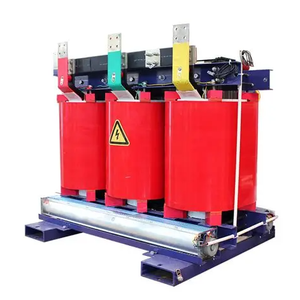
1.Prinsip dasar dan struktur transformator tipe kering
1.1 Prinsip kerja trafo tipe kering
Trafo tipe kering pada dasarnya masih mengikuti prinsip induksi elektromagnetik, menyelesaikan konversi tegangan melalui kopling fluks magnet antara belitan primer dan sekunder.
Perbedaan terbesar dari trafo terendam minyak adalah:
Tidak menggunakan minyak isolasi sebagai media pendingin dan isolasi
Terutama mengandalkan konveksi udara atau pendinginan udara paksa untuk pembuangan panas
Hal ini menyebabkan perubahan mendasar pada struktur dan karakteristik operasionalnya.
1.2 Komponen struktural utama
Trafo tipe kering biasanya terdiri dari komponen inti berikut:
inti besi
- Penumpukan lembaran baja silikon canai dingin
- Kerugian rendah, desain permeabilitas magnetik tinggi
lekok
- Gulungan tegangan tinggi: sebagian besar terbuat dari konduktor tembaga atau aluminium
- Gulungan tegangan rendah: struktur gulungan foil atau gulungan kawat
Sistem isolasi
- Pengecoran resin epoksi
- Kertas isolasi + komposit serat kaca
sistem pendingin
- SEBUAH (pendinginan udara alami)
- DARI (pendinginan udara paksa)
2.Rute teknis utama transformator tipe kering
2.1 Transformator tipe kering cor resin epoksi
Saat ini, ini adalah tipe yang paling banyak digunakan dan matang secara teknologi, dicirikan oleh:
- Belitannya dilemparkan secara keseluruhan, dengan resistansi hubung singkat yang kuat
- Ketahanan kelembaban dan debu yang sangat baik
- Cocok untuk lingkungan yang keras
Tapi di saat yang sama, ada juga:
- Biaya yang relatif tinggi
- Kesulitan dalam pemeliharaan
2.2 Tidak dienkapsulasi (VPI) transformator tipe kering
Trafo tipe kering dengan VPI (Impregnasi Tekanan Vakum) proses impregnasi tekanan vakum telah mengalami peningkatan permintaan yang signifikan di pasar luar negeri dalam beberapa tahun terakhir.
Fitur Utama:
- Kinerja pembuangan panas yang lebih baik
- Kebisingan pengoperasian rendah
- Cocok untuk kondisi beban berkapasitas tinggi dan terus menerus
2.3 Transformator tipe kering berinsulasi suhu tinggi
Dengan berkembangnya teknologi material baru, Sistem isolasi kelas H dan kelas C secara bertahap diterapkan pada transformator tipe kering:
- Biarkan suhu pengoperasian lebih tinggi
- Meningkatkan kepadatan daya
- Cocok untuk bidang energi baru dan angkutan kereta api
3.Trafo tipe kering vs trafo terendam minyak
3.1 Perbandingan Keamanan
| Barang | Trafo Tipe Kering | Trafo Berisi Minyak |
|---|---|---|
| Risiko kebakaran | Sangat rendah | Lebih tinggi |
| Kebocoran minyak | Tidak ada | Mungkin |
| Instalasi dalam ruangan | Sangat cocok | Terbatas |
3.2 Biaya Operasi dan Siklus Hidup
Meskipun biaya pengadaan awal trafo tipe kering lebih tinggi dibandingkan trafo terendam minyak, sepanjang siklus hidup mereka:
- Tidak perlu mengganti oli
- Frekuensi operasi dan pemeliharaan yang rendah
- Risiko penutupan rendah
TCO (Total Biaya Kepemilikan) sebenarnya lebih rendah.
4.Skenario aplikasi inti transformator tipe kering
4.1 Sistem Energi Baru
- Trafo kotak pembangkit listrik fotovoltaik
- Sistem terhubung jaringan tenaga angin
- Sistem konverter penyimpanan energi
4.2 Pusat Data dan Base Station Komunikasi
Pusat data memiliki persyaratan yang sangat tinggi untuk pencegahan kebakaran, stabilitas, dan kebisingan rendah, dan trafo tipe kering hampir menjadi standar.
4.3 Bangunan Umum Perkotaan
- RSUD
- kereta bawah tanah
- kompleks komersial
- Gedung perkantoran bertingkat tinggi
5.Standar Internasional dan Fokus Ekspor
Standar internasional umum untuk trafo tipe kering meliputi:
- IEC 60076-11
- IEEE C57.12
- DI DALAM 50541
Saat mengekspor, perhatian khusus harus diberikan:
- kelas isolasi
- tingkat kebisingan
- Tingkat pelepasan sebagian
- Tingkat perlindungan (AKU P)
6.Tren Masa Depan dan Arah Perkembangan Teknologi
6.1 Efisiensi energi tinggi dan kehilangan rendah
Pengetatan peraturan efisiensi energi di berbagai negara mendorong pengembangan trafo tipe kering menuju kerugian tanpa beban yang lebih rendah.
6.2 Digitalisasi dan Pemantauan Cerdas
- Pemantauan suhu online
- Deteksi online pelepasan sebagian
- Sistem operasi dan pemeliharaan jarak jauh
6.3 Bahan Baru dan Desain Ringan
- Bahan isolasi komposit baru
- Inti besi dengan permeabilitas lebih tinggi
Dengan latar belakang sistem tenaga listrik global yang berkembang menuju keselamatan, kehijauan, dan digitalisasi, trafo tipe kering tidak lagi sekedar sebuah “solusi alternatif”, tetapi menjadi pilihan utama.
Untuk produsen dan eksportir, siapa pun yang bisa memimpin dalam bidang teknologi, standar, dan pemahaman aplikasi akan memiliki keuntungan di pasar global.
Luoyang Datang Energi Technology Co., Ltd. adalah perusahaan teknologi tinggi yang mengintegrasikan R&D, manufaktur dan penyediaan peralatan listrik seperti trafo, komponen energi baru, lemari distribusi dan inverter. Dengan inovasi teknologi sebagai intinya, kami fokus pada penciptaan solusi kelistrikan dengan keandalan dan kinerja tinggi untuk melayani pelanggan global. Dengan sistem kendali mutu yang ketat dan sertifikasi berstandar internasional, kami terus menghasilkan produk unggulan dan memungkinkan pelanggan membangun sistem tenaga listrik yang aman dan stabil.
POSTINGAN TERKAIT

Pemulihan Cepat vs. Dioda Pemulihan Lembut: Apa Bedanya?
Thyristor yang dikontrol fase: pengatur cerdas elektronika daya

Apa fungsi modul kontrol fase gerbang thyristor?
Inverter Surya dan Penutup Baterai Tahan Cuaca
Teknologi Kendaraan-ke-Jaringan: Merevolusi Manajemen dan Keberlanjutan Energi