Fornecedor de componentes eletrônicos | Transformadores, Indutores, Inversores


Introdução
UMRetificador de onda completa é um circuito eletrônico essencial que convertecorrente alternada (AC) emcorrente contínua (CC). Ao contrário de um retificador de meia onda, que utiliza apenas metade da forma de onda AC, um retificador de onda completa usa ambas as metades, melhorando a eficiência e reduzindo a tensão de ondulação. Isso o torna um componente crítico em fontes de alimentação, carregadores de bateria, e vários dispositivos eletrônicos.
Com a crescente demanda por conversão eficiente de energia em sistemas de energia renovável, veículos elétricos (VEs), e eletrônicos de consumo, compreender os retificadores de onda completa tornou-se mais relevante do que nunca. Este artigo explora oprincípio de funcionamento, tipos, vantagens, e aplicações do mundo real de retificadores de onda completa enquanto otimiza paraSEO e legibilidade.
Como funciona um retificador de onda completa?
UMretificador de onda completa pode ser construído usandodois diodos (transformador com derivação central) ouquatro diodos (retificador de ponte). Ambas as configurações garantem que a corrente flua na mesma direção durante os semiciclos positivos e negativos da entrada CA.
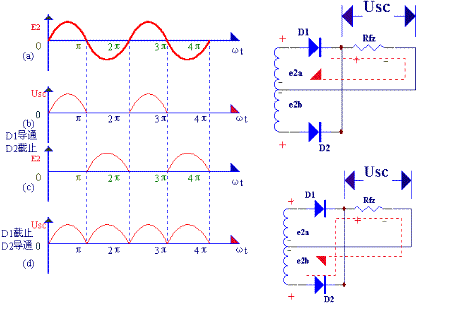
1. Retificador de onda completa com derivação central
- Usos dois diodos e um transformador com derivação central.
- Durante o meio ciclo positivo, diodo D1 conduz, enquanto D2 permanece polarizado inversamente.
- Durante o meio ciclo negativo, diodo D2 conduz, enquanto D1 é polarizado reversamente.
- A saída é uma DC pulsante com menos ondulação comparado a um retificador de meia onda.
2. Ponte Retificadora (Mais Comum)
- Usos quatro diodos dispostos em uma configuração de ponte.
- Não há necessidade de um transformador com derivação central, tornando-o mais econômico.
- Diodos D1 & D2 conduta durante o meio ciclo positivo, enquanto D3 & D4 conduta durante o meio ciclo negativo.
- Fornece maior eficiência e é amplamente utilizado em adaptadores de energia e fontes de alimentação industriais.
Vantagens dos retificadores de onda completa
- Maior eficiência – Utiliza ambas as metades da forma de onda CA, fornecendo mais saída DC.
- Fator de ondulação inferior – Saída DC mais suave em comparação com retificadores de meia onda.
- Melhor utilização do transformador – Sem ciclos desperdiçados, melhorando a eficiência de conversão de energia.
- Aplicações mais amplas – Usado em fontes de alimentação, carregadores de bateria, e sistemas de energia renovável.
Desvantagens & Soluções
- Mais componentes necessários – Uma ponte retificadora usa quatro diodos em vez de um.
- Maior dissipação de calor – Os diodos podem exigir dissipadores de calor em aplicações de alta potência.
- Queda de tensão – Cada diodo causa uma queda de ~0,7V, reduzindo a tensão de saída.
Solução: ModernoDiodos Schottky eretificadores síncronos minimizar quedas de tensão e melhorar a eficiência.
Aplicações de retificadores de onda completa
- Fontes de alimentação – Usado em Adaptadores AC para DC para notebooks, smartphones, e televisões.
- Carregadores de bateria – Converte rede elétrica AC em DC para carregamento VEs, baterias solares, e sistemas UPS.
- Sistemas de Energia Renovável – Essencial em inversores solares e conversores de energia eólica.
- Eletrônica Industrial – Usado em acionamentos de motor, máquinas de solda, e controladores CNC.
Tendências Futuras & Inovações
Com avanços emsemicondutores de banda larga (SiC & GaN), retificadores de onda completa estão se tornando mais eficientes, compactar, e adequado paraaplicações de alta frequência. A ascensão de5G, IoT, e veículos eléctricos está impulsionando ainda mais a demanda porconversão de energia de alta eficiência.
Conclusão
Oretificador de onda completa é a pedra angular da eletrônica moderna, permitindo conversão eficiente de CA para CC. Seja emeletrônicos de consumo, sistemas industriais, ou energia renovável, seu papel é indispensável. À medida que a tecnologia evolui, projetos de retificadores mais eficientes e compactos continuará a moldar o futuro da eletrônica de potência.
POSTS RELACIONADOS
Aplicação e vantagens do Switch SCR na automação industrial
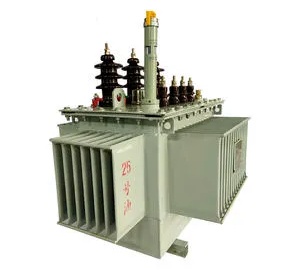
Pólo do transformador montado: O herói desconhecido da distribuição de energia moderna

Espera-se que o mercado de transformadores principais de potência de alta tensão atinja $36.9 bilhão por 2032, com uma taxa composta de crescimento anual de 6.9%
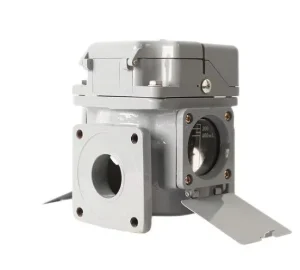
O guia definitivo para acessórios de transformadores para sistemas imersos em óleo

A colaboração perfeita entre diodos e dissipadores de calor – a arte do gerenciamento térmico