Поставщик электронных компонентов | Трансформеры, Индукторы, Инверторы


30 кВА Трансформатор: Комплексное техническое руководство
1. Introduction to 30 kVA Transformers
А 30 кВА (kilovolt-ampere) transformer is a medium-capacity power transformer widely used in commercial and industrial applications. With its optimal balance of size and power handling capability, this transformer rating is particularly suitable for:
Small to medium-sized factories
Коммерческие здания
Системы возобновляемой энергии
Hospital and institutional power backup
2. Key Technical Specifications
2.1 Electrical Parameters
| Параметр | Типичное значение |
|---|---|
| Primary Voltage | 480V/11kV/22kV |
| Secondary Voltage | 120/208V/240V/480V |
| Частота | 50Гц/60 Гц |
| Эффективность | 96-98% |
| Импеданс | 4-6% |
2.2 Physical Characteristics
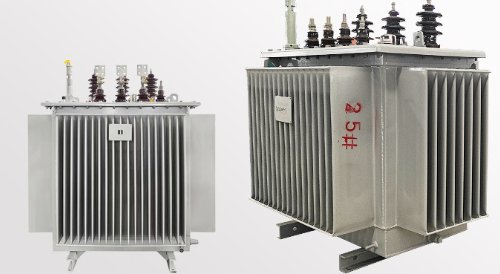
Масса: 150-300 кг (сухой тип), 250-400 кг (oil-filled)
Dimensions: Приблизительно. 600×500×700 mm (W×D×H)
Охлаждение: ОНАН (масло) or AN (воздух) охлаждение
3. Common Types of 30 kVA Transformers
3.1 Трансформаторы сухого типа
Преимущества:
Lower maintenance requirements
Огнестойкий (ideal for indoor installations)
Environmentally friendly (no oil leakage risk)
Приложения:
Торговые центры
Офисные здания
Data centers
3.2 Масляные трансформаторы
Преимущества:
Better heat dissipation
Longer lifespan
More economical for outdoor use
Приложения:
Промышленные предприятия
Utility substations
Фермы возобновляемой энергии
4. Installation Considerations
4.1 Site Requirements
Clearance: Minimum 1m around all sides
Foundation: Vibration-isolated concrete pad
Вентиляция: Adequate airflow for cooling
Защита: Weatherproof enclosure for outdoor units
4.2 Electrical Connections
Primary side protection: HRC fuses or circuit breaker
Secondary side: Proper grounding (≤5Ω)
Cable sizing: Refer to IEC 60364-5-52 стандарты
5. Performance Characteristics
5.1 Грузоподъемность
Continuous rating: 30 kVA at 40°C ambient
Overload capacity:
110% for 2 часы
125% for 1 hour
150% for 30 минуты
5.2 Losses Analysis
No-load losses: 150-300Вт
Load losses: 600-900W at full load
Total losses: Обычно 1.5-2% of rated capacity
6. Требования к техническому обслуживанию
6.1 Трансформаторы сухого типа
Annual inspection checklist:
Visual inspection for dust accumulation
Tightness of connections
Insulation resistance measurement
Cooling fan operation check
6.2 Масляные трансформаторы
Maintenance schedule:
Quarterly: Oil level inspection
Biannual: Oil quality testing (BDV, кислотность)
Ежегодный: Winding resistance measurement
5-year: Complete oil replacement
7. Анализ затрат
7.1 Initial Investment
Dry-type: $2,500-$4,000
Oil-filled: $1,800-$3,200
Additional costs:
Установка: $500-$1,000
Protective devices: $300-$800
7.2 Lifecycle Costs
Expected lifespan:
Dry-type: 20-25 годы
Oil-filled: 25-30 годы
Energy losses cost: $150-$300/year (based on $0.12/kWh)
8. Specialized 30 kVA Variants
8.1 Solar Isolation Transformers
Функции:
Reinforced insulation
DC component rejection
150% overload capability
8.2 Medical Isolation Transformers
Key specifications:
Low leakage current (<0.5mA)
Special shielding
IT power system compatibility
9. Industry Standards Compliance
МЭК 60076 (Силовые трансформаторы)
IEEE C57.12.00 (General requirements)
UL 506 (Specialty transformers)
В 61558 (Safety requirements)
10. Future Trends
Smart monitoring integration:
Датчики температуры
Load monitoring
Предупреждения о профилактическом обслуживании
Improved materials:
Аморфные металлические сердечники
High-temperature insulation
Compact designs:
20% size reduction targets
Modular configurations
Заключение
The 30 kVA transformer represents an optimal solution for diverse power distribution needs, offering an excellent balance between capacity, physical size, и экономическая эффективность. При выборе 30 kVA unit, engineers must carefully consider the application environment, load characteristics, and maintenance requirements to ensure optimal performance throughout the transformer's service life. With advancing technologies, modern 30 kVA transformers are becoming more efficient, intelligent, and adaptable to emerging power system requirements.
ПОХОЖИЕ ПОСТЫ

Представляем автономный солнечный инвертор: Мудрость и мощь солнечных автономных инверторов

Двойной тиристорный модуль: Пионер в области энергоэффективности в энергосистемах

Как однофазный тиристорный выпрямитель осуществляет преобразование мощности?

Полное руководство по высокоэффективной электроизоляции: Эпоксидная смола из стекловолокна, Эпоксидные изоляторы, и передовые системы смол
Солнечные и инверторные системы: Будущее экологически чистых энергетических решений