


Proveedor de componentes electrónicos | Transformadores, Inductores, Inversores


30 Transformador kVA: Una guía técnica completa
1. Introducción a 30 Transformadores kVA
A 30 kVA (kilovoltio-amperio) transformer is a medium-capacity power transformer widely used in commercial and industrial applications. With its optimal balance of size and power handling capability, this transformer rating is particularly suitable for:
Small to medium-sized factories
Edificios comerciales
Sistemas de energía renovable
Hospital and institutional power backup
2. Key Technical Specifications
2.1 Electrical Parameters
| Parámetro | Typical Value |
|---|---|
| Voltaje primario | 480V/11kV/22kV |
| voltaje secundario | 120/208V/240V/480V |
| Frecuencia | 50Hz/60Hz |
| Eficiencia | 96-98% |
| Impedancia | 4-6% |
2.2 Physical Characteristics
Peso: 150-300 kilos (tipo seco), 250-400 kilos (oil-filled)
Dimensiones: Aprox.. 600×500×700 mm (W×D×H)
Enfriamiento: ONÁN (aceite) or AN (aire) enfriamiento
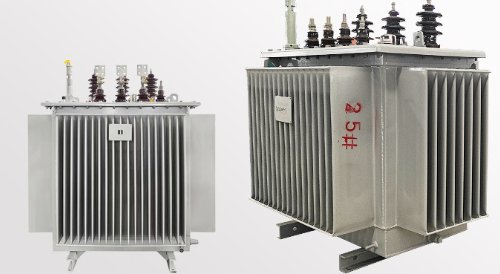
3. Common Types of 30 Transformadores kVA
3.1 Transformadores de tipo seco
Ventajas:
Lower maintenance requirements
Fire-resistant (ideal para instalaciones en interiores)
Respetuoso con el medio ambiente (no oil leakage risk)
Aplicaciones:
centros comerciales
Edificios de oficinas
Centros de datos
3.2 Oil-Immersed Transformers
Ventajas:
Mejor disipación del calor
Longer lifespan
More economical for outdoor use
Aplicaciones:
Plantas industriales
Subestaciones de servicios públicos
Granjas de energía renovable
4. Installation Considerations
4.1 Site Requirements
Clearance: Minimum 1m around all sides
Foundation: Vibration-isolated concrete pad
Ventilación: Adequate airflow for cooling
Protección: Weatherproof enclosure for outdoor units
4.2 Electrical Connections
Primary side protection: HRC fuses or circuit breaker
Secondary side: Proper grounding (≤5Ω)
Cable sizing: Refer to IEC 60364-5-52 estándares
5. Performance Characteristics
5.1 Load Capacity
Continuous rating: 30 kVA at 40°C ambient
Overload capacity:
110% for 2 horas
125% for 1 hour
150% for 30 minutos
5.2 Losses Analysis
No-load losses: 150-300W.
Load losses: 600-900W at full load
Total losses: Típicamente 1.5-2% of rated capacity
6. Maintenance Requirements
6.1 Transformadores de tipo seco
Annual inspection checklist:
Visual inspection for dust accumulation
Tightness of connections
Insulation resistance measurement
Cooling fan operation check
6.2 Oil-Immersed Transformers
Maintenance schedule:
Trimestral: Oil level inspection
Biannual: Oil quality testing (BDV, acidity)
Annual: Winding resistance measurement
5-year: Complete oil replacement
7. Análisis de costos
7.1 Initial Investment
tipo seco: $2,500-$4,000
Oil-filled: $1,800-$3,200
Additional costs:
Instalación: $500-$1,000
Protective devices: $300-$800
7.2 Lifecycle Costs
Expected lifespan:
tipo seco: 20-25 años
Oil-filled: 25-30 años
Energy losses cost: $150-$300/year (based on $0.12/kWh)
8. Specialized 30 kVA Variants
8.1 Solar Isolation Transformers
Características:
Reinforced insulation
DC component rejection
150% overload capability
8.2 Medical Isolation Transformers
Key specifications:
Low leakage current (<0.5mamá)
Special shielding
IT power system compatibility
9. Industry Standards Compliance
CEI 60076 (Transformadores de potencia)
IEEE C57.12.00 (General requirements)
UL 506 (Specialty transformers)
EN 61558 (Safety requirements)
10. Tendencias futuras
Smart monitoring integration:
Sensores de temperatura
Load monitoring
Alertas de mantenimiento predictivo
Improved materials:
Amorphous metal cores
High-temperature insulation
Compact designs:
20% size reduction targets
Modular configurations
Conclusión
El 30 kVA transformer represents an optimal solution for diverse power distribution needs, offering an excellent balance between capacity, physical size, y rentabilidad. Al seleccionar un 30 unidades kVA, engineers must carefully consider the application environment, load characteristics, and maintenance requirements to ensure optimal performance throughout the transformer's service life. With advancing technologies, modern 30 kVA transformers are becoming more efficient, intelligent, and adaptable to emerging power system requirements.
PUBLICACIONES RELACIONADAS
Transformadores de distribución de energía: La columna vertebral de las redes eléctricas modernas
Sistema de almacenamiento de energía (ESS) en 2026: Arquitectura, Comparación de tecnologías & Guía de aplicaciones industriales
Tiristor asimétrico: Una estrella en ascenso en ingeniería electrónica

¿Qué es un diodo rectificador de recuperación rápida??
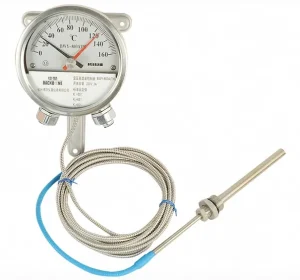
¿Cuál es la función de un indicador de temperatura del devanado de un transformador?
