


மின்னணு கூறுகள் சப்ளையர் | மின்மாற்றிகள், தூண்டிகள், இன்வெர்ட்டர்கள்


பெரும்பாலான வாங்குபவர்கள் நினைப்பதை விட டேப் சேஞ்சர்ஸ் ஏன் முக்கியம்
ஒரு மின்மாற்றி வாங்கும் போது, பல வாங்குபவர்கள் சக்தி மதிப்பீட்டில் கவனம் செலுத்துகின்றனர், மின்னழுத்த வகுப்பு, குளிரூட்டும் முறை, மற்றும் முறுக்கு பொருள். எனினும், அனுபவம் வாய்ந்த பயன்பாட்டு பொறியாளர்கள் ஒரு கூறு பெரும்பாலும் நீண்ட கால மின்மாற்றி நம்பகத்தன்மையை தீர்மானிக்கிறது என்பதை அறிவார்கள்: தி தட்டு மாற்றி.
மின்மாற்றியின் செயல்பாட்டுச் சிக்கல்களில் குறிப்பிடத்தக்க பகுதியானது டேப் சேஞ்சர் தோல்விகளுடன் தொடர்புடையது என்பதை தொழில் அனுபவம் காட்டுகிறது. மோசமான தொடர்பு தரம், தவறான தேர்வு, போதிய பராமரிப்பு இல்லை, அல்லது பொருத்தமற்ற இயக்க நிலைமைகள் மின்னழுத்த உறுதியற்ற தன்மைக்கு வழிவகுக்கும், அதிக வெப்பம், எதிர்பாராத செயலிழப்புகள், மற்றும் விலையுயர்ந்த பழுது.
நீங்கள் ஒரு பயன்பாட்டு நிறுவனமாக இருந்தாலும் சரி, EPC ஒப்பந்ததாரர், மின்மாற்றி உற்பத்தியாளர், அல்லது தொழில்துறை வசதி உரிமையாளர், நிலையான மின்னழுத்த ஒழுங்குமுறையை உறுதி செய்வதற்கும் மின்மாற்றி சேவை ஆயுளை அதிகரிப்பதற்கும் சரியான மின்மாற்றி குழாய் மாற்றியைத் தேர்ந்தெடுப்பது மிகவும் முக்கியமானது..
டிரான்ஸ்பார்மர் டேப் சேஞ்சரை வாங்கும் முன் வாங்குபவர்கள் தெரிந்து கொள்ள வேண்டிய அனைத்தையும் இந்த வழிகாட்டி விளக்குகிறது.
டிரான்ஸ்ஃபார்மர் டேப் சேஞ்சர் என்றால் என்ன?
டிரான்ஸ்பார்மர் டேப் சேஞ்சர் என்பது மின்மாற்றியின் திருப்ப விகிதத்தை சரிசெய்யப் பயன்படும் ஒரு சாதனம் ஆகும், கணினி நிலைமைகள் மாறும்போது வெளியீட்டு மின்னழுத்தத்தை அதிகரிக்க அல்லது குறைக்க அனுமதிக்கிறது.
மின் கட்டங்கள் அரிதாகவே நிலையாக இருக்கும். ஏற்ற ஏற்ற இறக்கங்கள், புதுப்பிக்கத்தக்க ஆற்றல் ஒருங்கிணைப்பு, பருவகால தேவை மாற்றங்கள், மற்றும் பரிமாற்ற இழப்புகள் அனைத்தும் மின்னழுத்த அளவை பாதிக்கலாம்.
வெவ்வேறு முறுக்கு குழாய்களைத் தேர்ந்தெடுப்பதன் மூலம் இந்த மாறுபாடுகளுக்கு டேப் சேஞ்சர் ஈடுசெய்கிறது.
சரியான மின்னழுத்த ஒழுங்குமுறை இல்லாமல்:
- மோட்டார்கள் அதிக வெப்பமடையக்கூடும்
- மின்சார உபகரணங்கள் முன்கூட்டியே தோல்வியடையும்
- சக்தி தரம் மோசமடைகிறது
- ஆற்றல் இழப்புகள் அதிகரிக்கும்
- கட்டத்தின் நிலைத்தன்மை குறைகிறது
இதனால்தான் குழாய் மாற்றிகள் மிகவும் முக்கியமான மின்மாற்றி துணைக்கருவிகளில் ஒன்றாகக் கருதப்படுகின்றன.
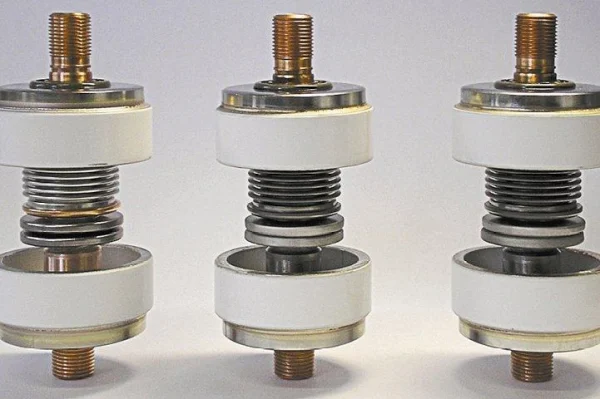
Understanding the Two Main Types of Tap Changers
1. Off-Circuit Tap Changer (80)
Also known as:
- ஆஃப் லோட் டேப் சேஞ்சர்
- No Load Tap Changer
- De-Energized Tap Changer
This type requires the transformer to be completely disconnected before changing tap positions.
Typical Applications
- விநியோக மின்மாற்றிகள்
- கம்பத்தில் பொருத்தப்பட்ட மின்மாற்றிகள்
- Rural substations
- Industrial distribution systems
நன்மைகள்
✔ Lower cost
✔ Simple structure
✔ Minimal maintenance
✔ நீண்ட சேவை வாழ்க்கை
Limitations
✖ Transformer shutdown required
✖ Manual operation
✖ No real-time voltage regulation
2. On Load Tap Changer (OLTC)
An OLTC can change tap positions while the transformer remains energized and supplying power.
This technology is essential for medium-voltage and high-voltage power transformers.
Typical Applications
- Utility substations
- Power generation plants
- புதுப்பிக்கத்தக்க ஆற்றல் திட்டங்கள்
- தொழில்துறை சக்தி அமைப்புகள்
- தரவு மையங்கள்
நன்மைகள்
✔ தொடர்ச்சியான மின்னழுத்த ஒழுங்குமுறை
✔ சேவை குறுக்கீடு இல்லை
✔ தானியங்கி செயல்பாடு
✔ மேம்படுத்தப்பட்ட சக்தி தரம்
Limitations
✖ அதிக ஆரம்ப முதலீடு
✖ மிகவும் சிக்கலான பராமரிப்பு
✖ மேலும் நகரும் கூறுகள்
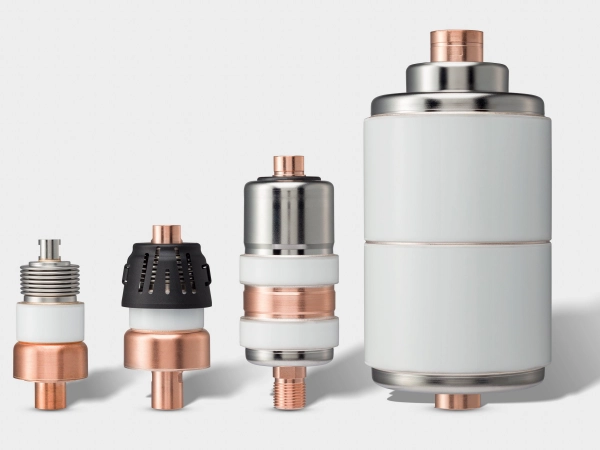
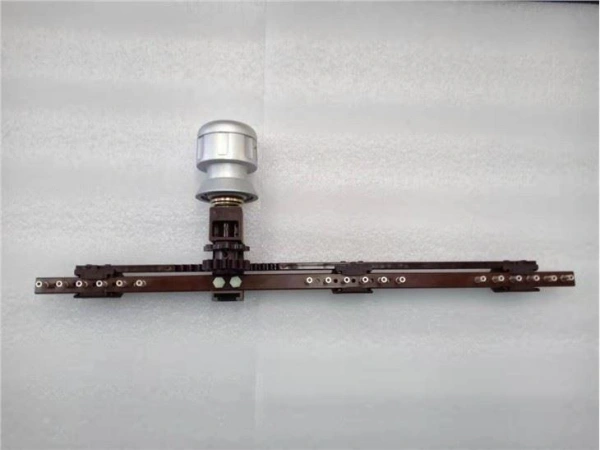
OLTC vs OCTC: நீங்கள் எதை தேர்வு செய்ய வேண்டும்?
| தேர்வு காரணி | 80 | OLTC |
|---|---|---|
| ஆரம்ப செலவு | கீழ் | உயர்ந்தது |
| பராமரிப்பு | குறைந்தபட்சம் | மிதமான |
| மின்னழுத்த கட்டுப்பாடு | கையேடு | தானியங்கி |
| மின் தடை தேவை | ஆம் | இல்லை |
| கட்டத்தின் நிலைத்தன்மை | வரையறுக்கப்பட்டவை | சிறப்பானது |
| வழக்கமான மின்மாற்றி அளவு | சிறிய-நடுத்தர | நடுத்தர-பெரிய |
பொதுவான பரிந்துரை
2500kVA க்கும் குறைவான விநியோக மின்மாற்றிகளுக்கு, OCTC அடிக்கடி போதுமானது.
பயன்பாட்டு துணை மின்நிலையங்களுக்கு, புதுப்பிக்கத்தக்க ஆற்றல் திட்டங்கள், மற்றும் தொழில்துறை மின்மாற்றிகள், OLTC பொதுவாக விருப்பமான தேர்வாகும்.
7 ஆர்டர் செய்வதற்கு முன் ஒவ்வொரு வாங்குபவரும் கேட்க வேண்டிய முக்கியமான கேள்விகள்
1. மின்மாற்றி மின்னழுத்த வகுப்பு என்றால் என்ன?
டேப் சேஞ்சர் தேர்வு மின்னழுத்த அளவில் தொடங்குகிறது.
பொதுவான மின்மாற்றி மின்னழுத்த வகுப்புகள் அடங்கும்:
- 10கே.வி
- 11கே.வி
- 20கே.வி
- 33கே.வி
- 35கே.வி
- 66கே.வி
- 110கே.வி
- 132கே.வி
- 220கே.வி
தவறான மின்னழுத்தப் பொருத்தம் காப்புச் செயலிழப்பு மற்றும் உபகரணங்களுக்கு சேதம் விளைவிக்கும்.
2. மதிப்பிடப்பட்ட மின்னோட்டம் என்றால் என்ன?
குழாய் மாற்றி மின்மாற்றி மின்னோட்டத்தை பாதுகாப்பாக கையாள வேண்டும்.
பொதுவான மதிப்பீடுகள்:
| தற்போதைய மதிப்பீடு | வழக்கமான பயன்பாடு |
|---|---|
| 63ஏ | சிறிய விநியோக மின்மாற்றிகள் |
| 125ஏ | விநியோக நெட்வொர்க்குகள் |
| 250ஏ | தொழில்துறை மின்மாற்றிகள் |
| 400ஏ | நடுத்தர சக்தி மின்மாற்றிகள் |
| 600A+ | பயன்பாட்டு சக்தி மின்மாற்றிகள் |
மின்மாற்றி திறனை மட்டும் தேர்வு செய்வதை விட மதிப்பிடப்பட்ட மின்னோட்டத்தை எப்போதும் சரிபார்க்கவும்.
3. எத்தனை குழாய் நிலைகள் தேவை?
பொதுவான தட்டுதல் வரம்புகள் அடங்கும்:
- ±2 × 2.5%
- ±5%
- ±8 × 1.25%
- ±10%
அதிக குழாய் நிலைகள் சிறந்த மின்னழுத்தக் கட்டுப்பாட்டை அனுமதிக்கின்றன, ஆனால் சிக்கலை அதிகரிக்கின்றன.
மின்னழுத்த ஏற்ற இறக்கங்கள் அடிக்கடி ஏற்படும் புதுப்பிக்கத்தக்க ஆற்றல் திட்டங்களுக்கு, கூடுதல் குழாய் நிலைகள் பயனுள்ளதாக இருக்கும்.
4. உட்புற அல்லது வெளிப்புற நிறுவல்?
Environmental conditions directly affect tap changer performance.
Consider:
Outdoor Applications
- புற ஊதா வெளிப்பாடு
- மழை
- Salt spray
- தூசி
Indoor Applications
- Temperature control
- Humidity levels
- காற்றோட்டம்
Buyers in coastal regions should pay special attention to corrosion resistance.
5. How Frequently Will Switching Occur?
This is one of the most overlooked questions.
For OLTC systems:
- Some transformers switch only a few times per day.
- Others switch hundreds of times daily.
Higher switching frequency requires:
- Better contact materials
- More durable mechanisms
- Enhanced maintenance planning
6. What Standards Must Be Met?
Most international projects require compliance with:
- IEC 60214
- IEC 60076
- IEEE Standards
- ANSI Standards
Always request:
- Type Test Reports
- Routine Test Reports
- Quality Certificates
Failure to verify standards can delay project approvals.
7. What Is the Expected Service Life?
A quality tap changer should provide:
- நீண்ட இயந்திர வாழ்க்கை
- நிலையான மின் செயல்திறன்
- குறைந்த பராமரிப்பு தேவைகள்
சப்ளையர்களிடம் கேளுங்கள்:
- இயந்திர இயக்க வாழ்க்கை
- மின் இயக்க வாழ்க்கை
- பரிந்துரைக்கப்பட்ட பராமரிப்பு இடைவெளிகள்
வாழ்க்கைச் சுழற்சிக்கான செலவு பெரும்பாலும் வாங்கும் விலையை விட முக்கியமானது.
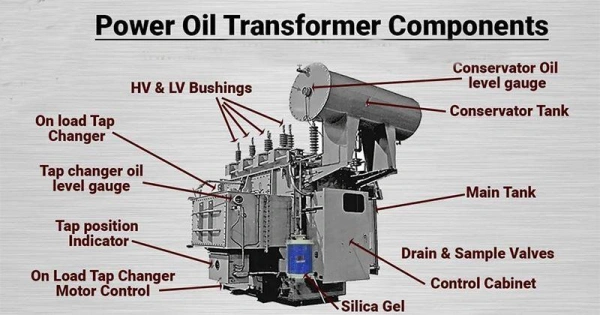
வாங்குபவர்களின் பணத்தைச் செலவழிக்கும் பொதுவான தட்டு மாற்றும் சிக்கல்கள்
தொடர்பு உடைகள்
மின் வளைவு படிப்படியாக தொடர்புகளை அழிக்கிறது.
விளைவுகள்:
- அதிகரித்த எதிர்ப்பு
- உள்ளூர் அதிக வெப்பம்
- குறைக்கப்பட்ட செயல்திறன்
கார்பன் வைப்பு
மாறுதல் வளைவுகள் கார்பன் துகள்களை உருவாக்குகின்றன.
முடிவுகள் அடங்கும்:
- எண்ணெய் மாசுபாடு
- குறைக்கப்பட்ட காப்பு வலிமை
- அதிகரித்த பராமரிப்பு அதிர்வெண்
டிரைவ் மெக்கானிசம் தோல்வி
இயந்திர கூறுகள் காலப்போக்கில் தேய்ந்து போகலாம்.
சாத்தியமான சிக்கல்கள்:
- முழுமையற்ற மாறுதல்
- நிலைப் பிழைகள்
- செயல்பாட்டு தோல்வி
காப்புச் சிதைவு
வயதான காப்பு ஏற்படலாம்:
- ஃப்ளாஷ்ஓவர்
- பகுதி வெளியேற்றம்
- பேரழிவு தோல்வி
வழக்கமான பராமரிப்பு இந்த சிக்கல்களைத் தடுக்க உதவுகிறது.
சப்ளையர் மதிப்பீட்டு சரிபார்ப்பு பட்டியல்
ஆர்டர் செய்வதற்கு முன், பின்வரும் கேள்விகளை சப்ளையர்களிடம் கேளுங்கள்:
தொழில்நுட்ப திறன்
✓ குழாய் மாற்றியை நீங்களே தயாரிக்கிறீர்களா?
✓ நீங்கள் OEM சேவைகளை வழங்க முடியுமா?
✓ நீங்கள் தொழில்நுட்ப வரைபடங்களை வழங்குகிறீர்களா??
✓ தனிப்பயன் மின்னழுத்த மதிப்பீடுகள் உள்ளனவா?
தர உத்தரவாதம்
✓ தொழிற்சாலை சோதனை உள்ளது?
✓ IEC இணக்கம்?
✓ மூன்றாம் தரப்பு ஆய்வு ஆதரவு?
✓ கண்டுபிடிக்கக்கூடிய உற்பத்தி பதிவுகள்?
விற்பனைக்குப் பிந்தைய ஆதரவு
✓ உதிரி பாகங்கள் கிடைக்கும்?
✓ நிறுவல் வழிகாட்டுதல்?
✓ தொழில்நுட்ப ஆதரவு?
✓ உத்தரவாதக் கவரேஜ்?
ஏன் மலிவான தட்டு மாற்றுபவர்கள் பெரும்பாலும் விலை உயர்ந்ததாக மாறுகிறார்கள்
பல கொள்முதல் குழுக்கள் கொள்முதல் விலையில் அதிக கவனம் செலுத்துகின்றன.
எனினும், ஒரு குழாய் மாற்றி தோல்வி ஏற்படலாம்:
- மின்மாற்றி பணிநிறுத்தம்
- அவசர பராமரிப்பு
- உற்பத்தி இழப்புகள்
- வாடிக்கையாளர் புகார்கள்
- மாற்று செலவுகள்
சற்றே உயர்தர குழாய் சேஞ்சர், மின்மாற்றியின் வாழ்நாளில் கணிசமான அளவு குறைந்த மொத்த உரிமைச் செலவை வழங்குகிறது.
எதிர்கால போக்குகள்: ஸ்மார்ட் டேப் சேஞ்சர்ஸ்
சக்தி அமைப்புகள் மிகவும் புத்திசாலித்தனமாக மாறும்போது, ஸ்மார்ட் டேப் சேஞ்சர்கள் பிரபலமடைந்து வருகின்றன.
நவீன அமைப்புகள் இருக்கலாம்:
- தொலை கண்காணிப்பு
- நிகழ் நேர கண்டறிதல்
- முன்னறிவிப்பு பராமரிப்பு
- SCADA ஒருங்கிணைப்பு
- டிஜிட்டல் நிலை கண்காணிப்பு
இந்த தொழில்நுட்பங்கள் வேலையில்லா நேரத்தை குறைக்கவும், கட்டத்தின் நம்பகத்தன்மையை மேம்படுத்தவும் உதவுகின்றன.
நம்பகமான டிரான்ஸ்பார்மர் டேப் சேஞ்சர்களைத் தேடுகிறது?
மணிக்கு Luoyang Datang எனர்ஜி டெக்னாலஜி கோ., லிமிடெட்., மின் பயன்பாடுகளுக்கு உயர்தர மின்மாற்றி பாகங்கள் வழங்குகிறோம், மின்மாற்றி உற்பத்தியாளர்கள், EPC ஒப்பந்தக்காரர்கள், மற்றும் தொழில்துறை திட்டங்கள் உலகம் முழுவதும்.
எங்கள் தயாரிப்பு வரம்பில் அடங்கும்:
- லோட் டேப் சேஞ்சர்களில் (OLTC)
- ஆஃப் லோட் டேப் சேஞ்சர்ஸ் (80)
- புச்சோல்ஸ் ரிலேஸ்
- எண்ணெய் நிலை குறிகாட்டிகள்
- சிலிக்கா ஜெல் ப்ரீதர்ஸ்
- அழுத்தம் நிவாரண சாதனங்கள்
- மின்மாற்றி புஷிங்ஸ்
- மின்மாற்றி வெப்பமானிகள்
தொழில்நுட்ப உதவிக்கு இன்றே எங்கள் பொறியியல் குழுவைத் தொடர்பு கொள்ளவும், வரைபடங்கள், விலை நிர்ணயம், மற்றும் உங்கள் மின்மாற்றி திட்டங்களுக்கான தனிப்பயனாக்கப்பட்ட தீர்வுகள்.
மின்னஞ்சல்: sales@pddn.com
இணையதளம்: https://www.pddn.com/
தொடர்புடைய இடுகைகள்
உலர் வகை மின்மாற்றிக்கான இறுதி வழிகாட்டி: உங்கள் விண்ணப்பத்திற்கான சரியான வகையை எவ்வாறு தேர்வு செய்வது
மூன்று கட்ட உலர் வகை மின்மாற்றி: இதற்கான இறுதி வழிகாட்டி 2024
மின்மாற்றியின் பல்வேறு வகைகளைப் புரிந்துகொள்வது: மின்சாரம் மற்றும் விநியோக மின்மாற்றிக்கான முழுமையான வழிகாட்டி
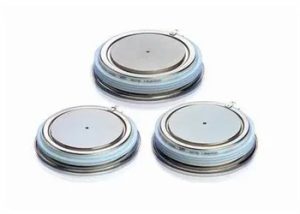
மூலம் 2030, தனித்த குறைக்கடத்தி சந்தை அடையும் என்று எதிர்பார்க்கப்படுகிறது $60.7603.2 பில்லியன்.
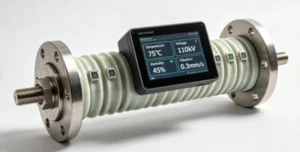
டிரான்ஸ்ஃபார்மர் புஷிங்ஸ் ஏன் நவீன சக்தி அமைப்புகளில் மிக முக்கியமான கூறுகளில் ஒன்றாக மாறுகிறது
