Soláthraí Comhpháirteanna Leictreonacha | Claochladáin, Ionduchtóirí, Inverters


Cén Fáth a Bhfuil Tábhacht ag Athróirí Tapa Níos Mó ná mar a cheapann an chuid is mó de na ceannaitheoirí
Nuair a cheannach claochladán, díríonn go leor ceannaitheoirí ar rátáil cumhachta, rang voltais, modh fuaraithe, agus ábhar foirceannadh. Mar sin féin, tá a fhios ag innealtóirí fóntais a bhfuil taithí acu gur minic a chinneann comhpháirt amháin iontaofacht fadtéarmach claochladáin: an sconna changer.
Léiríonn taithí tionscail go bhfuil baint ag cuid shuntasach de na saincheisteanna oibriúcháin claochladáin le teipeanna athraithe sconna. Droch-chaighdeán teagmhála, roghnú mícheart, cothabháil neamhleor, nó is féidir éagobhsaíocht voltais a bheith mar thoradh ar choinníollacha oibriúcháin mí-oiriúnacha, róthéamh, bristeacha gan choinne, agus deisiúcháin chostasacha.
Cibé an bhfuil tú i do chuideachta fóntais, Conraitheoir EPC, monaróir claochladán, nó úinéir saoráide tionscail, tá sé ríthábhachtach an t-athrú ceart sconna claochladáin a roghnú chun rialáil chobhsaí voltais a chinntiú agus chun saol seirbhíse an claochladáin a uasmhéadú.
Míníonn an treoir seo gach rud a chaithfidh ceannaitheoirí a bheith ar an eolas sula gceannaítear athróir sconna claochladáin.
Cad is Trasfhoirmeoir Tap Changer?
Is gléas é malartóir sconna claochladáin a úsáidtear chun cóimheas casadh an chlaochladáin a choigeartú, rud a fhágann gur féidir an voltas aschuir a mhéadú nó a laghdú de réir mar a athraíonn coinníollacha an chórais.
Is annamh a bhíonn greillí cumhachta cobhsaí. Load fluctuations, comhtháthú fuinnimh in-athnuaite, seasonal demand changes, agus is féidir le caillteanais tarchurtha tionchar a imirt ar leibhéil voltais.
Déanann an t-athróir sconna na héagsúlachtaí seo a chúiteamh trí sconnaí foirceannadh éagsúla a roghnú.
Gan rialáil voltas cuí:
- Motors may overheat
- Is féidir le trealamh leictreach teip roimh am
- Téann cáilíocht cumhachta in olcas
- Energy losses increase
- Grid stability decreases
Sin é an fáth go meastar go bhfuil athraitheoirí sconna ar cheann de na gabhálais claochladáin is tábhachtaí.
An dá Phríomhchineál Athróirí Beartaíonn a Thuiscint
1. Athróir Beartaíonn Lasmuigh den Chuaird (80)
Ar a dtugtar freisin:
- Lasmuigh Tap Changer
- No Load Tap Changer
- De-Energized Tap Changer
Éilíonn an cineál seo go ndéanfaí an claochladán a dhínascadh go hiomlán sula n-athraítear suíomhanna sconna.
Typical Applications
- Claochladáin dáileacháin
- Claochladáin cuaille
- Rural substations
- Córais dáileacháin tionsclaíochta
Buntáistí
✔ Lower cost
✔ Simple structure
✔ Minimal maintenance
✔ Long service life
Limitations
✖ Tá múchadh claochladáin ag teastáil
✖ Oibriú láimhe
✖ Gan rialáil voltais fíor-ama
2. Ar Load Tap Changer (OLTC)
Is féidir le OLTC suímh sconna a athrú fad is a bhíonn an claochladán fuinnmhithe agus ag soláthar cumhachta.
Tá an teicneolaíocht seo riachtanach do chlaochladáin cumhachta meánvoltais agus ardvoltais.
Typical Applications
- Fostáisiúin fóntais
- Gléasraí giniúna cumhachta
- Tionscadail fuinnimh in-athnuaite
- Córais chumhachta tionscail
- Ionaid sonraí
Buntáistí
✔ Rialú voltais leanúnach
✔ Gan aon bhriseadh seirbhíse
✔ Oibriú uathoibríoch
✔ Caighdeán cumhachta feabhsaithe
Limitations
✖ Infheistíocht tosaigh níos airde
✖ Cothabháil níos casta
✖ Tuilleadh comhpháirteanna gluaisteacha
OLTC vs OCTC: Cé acu ceann ba chóir duit a roghnú?
| Fachtóir Roghnúcháin | 80 | OLTC |
|---|---|---|
| Costas Tosaigh | Íochtarach | Níos airde |
| Cothabháil | Íosráta | Measartha |
| Rialú Voltais | Lámhleabhar | Uathoibríoch |
| Briseadh Cumhachta ag Teastáil | Tá | Níl |
| Cobhsaíocht Eangaí | Teoranta | Ar fheabhas |
| Méid Trasfhoirmeoir tipiciúla | Beag-Meánach | Meán-Mór |
Moladh Ginearálta
Le haghaidh trasfhoirmeoirí dáileacháin faoi bhun 2500kVA, OCTC is often sufficient.
Le haghaidh fostáisiúin fóntais, tionscadail fuinnimh in-athnuaite, agus claochladáin chumhachta tionsclaíocha, Is é OLTC an rogha is fearr de ghnáth.
7 Ceisteanna Criticiúla ar Chóir do gach Ceannaitheoir Fiafraí de Roimh Ordú
1. Cad É an Aicme Voltas Trasfhoirmeoir?
Tosaíonn roghnú na n-athróirí sconna leis an leibhéal voltais.
I measc na ranganna voltas claochladáin coitianta:
- 10kV
- 11kV
- 20kV
- 33kV
- 35kV
- 66kV
- 110kV
- 132kV
- 220kV
D'fhéadfadh teip inslithe agus damáiste trealaimh a bheith mar thoradh ar mheaitseáil mhícheart voltais.
2. Cad é an Reatha Rátáilte?
Ní mór don changer sconna sruth an claochladáin a láimhseáil go sábháilte.
Common ratings:
| Rátáil Reatha | Feidhmchlár tipiciúil |
|---|---|
| 63A | Claochladáin Dáilte Beaga |
| 125A | Distribution Networks |
| 250A | Industrial Transformers |
| 400A | Claochladáin Meánchumhachta |
| 600A+ | Claochladáin Cumhachta Utility |
Fíoraigh sruth rátáilte i gcónaí seachas roghnú bunaithe ar acmhainn claochladáin amháin.
3. Cé Mhéad Post Tapa atá ag Teastáil?
Áirítear ar na raonta tapála coitianta:
- ±2 × 2.5%
- ±5%
- ±8 × 1.25%
- ±10%
Ligeann tuilleadh suíomhanna sconna rialú voltais níos míne ach méadaítear castacht.
Do thionscadail fuinnimh in-athnuaite ina mbíonn luaineachtaí voltais go minic, d'fhéadfadh go mbeadh suíomhanna breise sconna tairbheach.
4. Suiteáil Laistigh nó Lasmuigh?
Bíonn tionchar díreach ag coinníollacha comhshaoil ar fheidhmíocht athraithe sconna.
Consider:
Feidhmchláir Lasmuigh
- Nochtadh UV
- Báisteach
- Spraeáil salainn
- deannach
Indoor Applications
- Rialú teochta
- Leibhéil taise
- Aeráil
Ba cheart do cheannaitheoirí i réigiúin chósta aird ar leith a thabhairt ar fhriotaíocht creimeadh.
5. Cé chomh Minic a Tharlóidh Aistriú?
Tá sé seo ar cheann de na ceisteanna is mó a ndéantar dearmad air.
Le haghaidh córais OLTC:
- Ní aistríonn roinnt claochladáin ach cúpla uair in aghaidh an lae.
- Aistríonn daoine eile na céadta uair sa lá.
Éilíonn minicíocht athrú níos airde:
- Ábhair teagmhála níos fearr
- More durable mechanisms
- Pleanáil chothabhála feabhsaithe
6. Cad iad na Caighdeáin nach mór a Chomhlíonadh?
Teastaíonn comhlíonadh le formhór na dtionscadal idirnáisiúnta:
- IEC 60214
- IEC 60076
- Caighdeáin IEEE
- ANSI Standards
Always request:
- Type Test Reports
- Routine Test Reports
- Quality Certificates
Má theipeann ar chaighdeáin a fhíorú féadfar moill a chur ar fhaomhadh tionscadal.
7. Cad é an Saol Seirbhíse a bhfuiltear ag súil leis?
Ba cheart go soláthródh changer sconna cáilíochta:
- Long mechanical life
- Feidhmíocht leictreach cobhsaí
- Riachtanais chothabhála íseal
Ask suppliers for:
- Saol oibríochta meicniúil
- Saol oibríochta leictreach
- Tréimhsí cothabhála molta
Is minic go mbíonn costas saolré níos tábhachtaí ná an praghas ceannaigh.
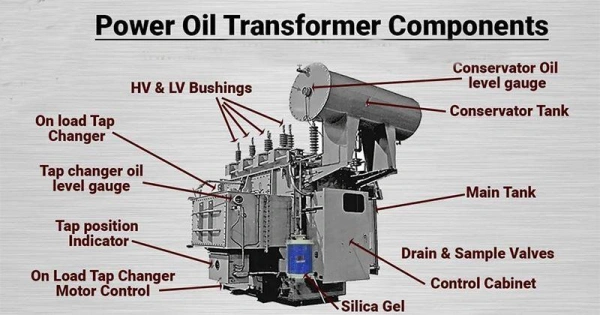
Fadhbanna Coitianta maidir le hAthrú Beartaíonn a Chosnaíonn Airgead ar Cheannaitheoirí
Contact Wear
De réir a chéile creimeann stua leictreach teagmhálacha.
Iarmhairtí:
- Friotaíocht mhéadaithe
- Róthéamh áitiúil
- Éifeachtúlacht laghdaithe
Carbon Deposits
Gineann stuanna lasctha cáithníní carbóin.
Áirítear ar na torthaí:
- Éilliú ola
- Neart inslithe laghdaithe
- Minicíocht cothabhála méadaithe
Drive Mechanism Failure
Féadfaidh comhpháirteanna meicniúla caitheamh le himeacht ama.
Saincheisteanna féideartha:
- Athrú neamhiomlán
- Earráidí suímh
- Teip oibriúcháin
Meath Insliú
Is féidir le insliú ag dul in aois mar thoradh:
- Flashover
- Urscaoileadh páirteach
- Teip tubaisteach
Cuidíonn cothabháil rialta leis na fadhbanna seo a chosc.
Seicliosta Meastóireachta Soláthraí
Sula gcuirtear ordú, cuir na ceisteanna seo a leanas ar sholáthróirí:
Cumas Teicniúil
✓ An ndéanann tú an t-athróir sconna leat féin?
✓ An féidir leat seirbhísí OEM a sholáthar?
✓ An dtugann tú líníochtaí teicniúla?
✓ An bhfuil rátálacha voltais saincheaptha ar fáil?
Dearbhú Cáilíochta
✓ Tá tástáil mhonarcha ar fáil?
✓ Comhlíonadh IEC?
✓ Tacaíocht iniúchta tríú páirtí?
✓ Taifid táirgeachta inrianaithe?
Tacaíocht Tar éis Díolacháin
✓ Páirteanna breise a bheith ar fáil?
✓ Treoir suiteála?
✓ Tacaíocht theicniúil?
✓ Clúdach barántais?
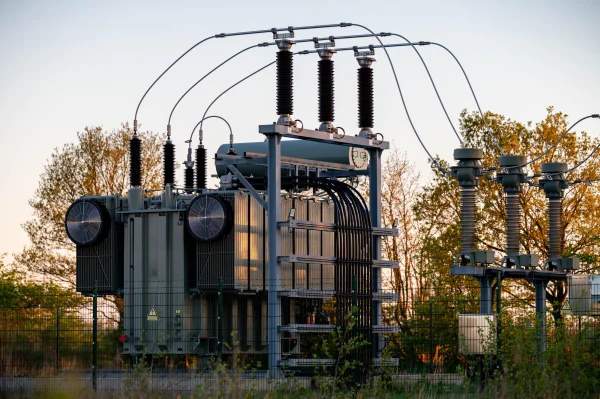
Cén Fáth Go n-Éiríonn Athraitheoirí Tapa Cheap Go minic
Díríonn go leor foirne soláthair go mór ar phraghas ceannaigh.
Mar sin féin, is féidir teip changer sconna a bheith mar thoradh:
- Múchadh an claochladáin
- Cothabháil éigeandála
- Caillteanais táirgeachta
- Gearáin ó chustaiméirí
- Costais athsholáthair
Is minic a sheachadann malartóir sconna ar chaighdeán beagán níos airde costas iomlán úinéireachta i bhfad níos ísle thar shaolré an claochladáin.
Treochtaí sa Todhchaí: Smart Tap Changers
De réir mar a éiríonn córais chumhachta níos cliste, tá lucht athraithe sconna cliste ag éirí níos coitianta.
Féadfaidh córais nua-aimseartha a áireamh:
- Monatóireacht cianda
- Diagnóisic fíor-ama
- Cothabháil thuarthach
- Comhtháthú SCADA
- Monatóireacht ar sheasamh digiteach
Cuidíonn na teicneolaíochtaí seo le downtime a laghdú agus le hiontaofacht greille a fheabhsú.
Ag lorg Athróirí Tapa Trasfhoirmeora Iontaofa?
Ag Luoyang Datang Energy Technology Co., Teo., soláthraímid gabhálais claochladáin d'ardchaighdeán le haghaidh fóntais chumhachta, monaróirí claochladán, Conraitheoirí EPC, agus tionscadail thionsclaíocha ar fud an domhain.
Áirítear ar ár raon táirgí:
- Ar Athraitheoirí Tapa Luchtaithe (OLTC)
- Athróirí Tapa Luchtaithe As (80)
- Athsheachadáin Buchholz
- Táscairí Leibhéil Ola
- Breathers Glóthach shilice
- Gléasanna Faoisimh Brú
- Bushings Trasfhoirmeoir
- Teirmiméadair Trasfhoirmeora
Déan teagmháil lenár bhfoireann innealtóireachta inniu le haghaidh tacaíocht theicniúil, líníochtaí, praghsála, agus réitigh saincheaptha do do thionscadail claochladáin.
Ríomhphost: díolacháin@pddn.com
Suíomh Gréasáin: https://www.pddn.com/
POSTAÍ GAOLMHARA
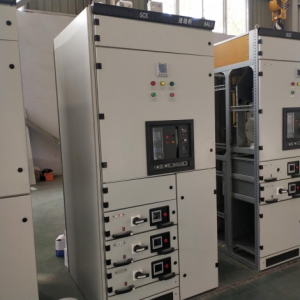
Úsáidtear lascthrealamh leictreach ardvoltais agus ísealvoltais go forleathan i réimsí éagsúla, tacú le forbairt an tionscail chumhachta

Máistir leictreonaic cumhachta: an charm uathúil de thyristors aon phas inrialaithe
Buntáistí agus feidhmiú thyristors ardteochta i gcórais chumhachta
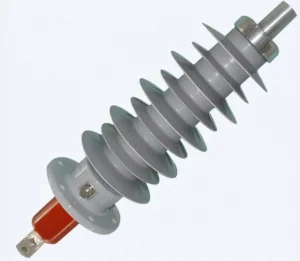
Réitigh le haghaidh Fadhbanna Róthéamh Bushing Trasfhoirmeoir: Cúiseanna, Brath, agus Ceartúcháin Éifeachtacha
Modúl thyristor le haghaidh aistriú toilleora i leictreonaic chumhachta: prionsabail, saintréithe agus feidhmchláir