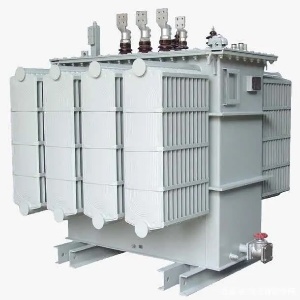
전자 부품 공급업체 | 트랜스포머, 인덕터, 인버터


Why Tap Changers Matter More Than Most Buyers Think
When purchasing a transformer, 많은 구매자가 전력 등급에 중점을 둡니다., 전압 등급, 냉각 방식, 그리고 와인딩 소재. 하지만, experienced utility engineers know that one component often determines long-term transformer reliability: 그만큼 탭 체인저.
Industry experience shows that a significant portion of transformer operational issues are related to tap changer failures. Poor contact quality, incorrect selection, inadequate maintenance, or unsuitable operating conditions can lead to voltage instability, 과열, unexpected outages, and costly repairs.
Whether you are a utility company, EPC 계약자, transformer manufacturer, or industrial facility owner, choosing the right transformer tap changer is critical for ensuring stable voltage regulation and maximizing transformer service life.
This guide explains everything buyers need to know before purchasing a transformer tap changer.
What Is a Transformer Tap Changer?
A transformer tap changer is a device used to adjust the transformer’s turns ratio, allowing the output voltage to be increased or decreased as system conditions change.
Power grids are rarely stable. 부하 변동, renewable energy integration, seasonal demand changes, and transmission losses can all affect voltage levels.
The tap changer compensates for these variations by selecting different winding taps.
Without proper voltage regulation:
- Motors may overheat
- Electrical equipment can fail prematurely
- Power quality deteriorates
- Energy losses increase
- Grid stability decreases
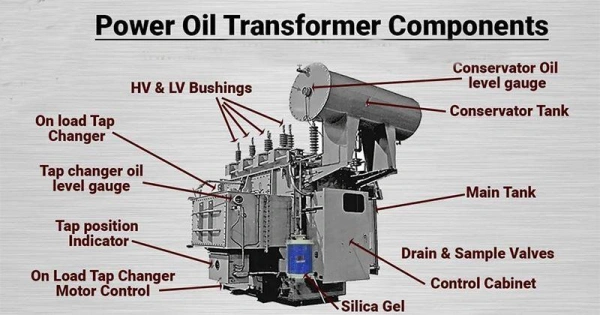
This is why tap changers are considered one of the most critical transformer accessories.
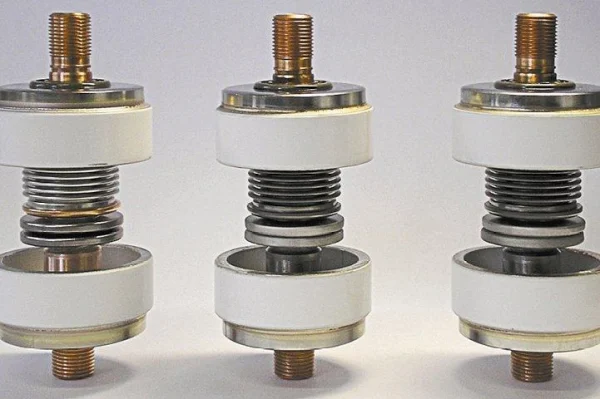
Understanding the Two Main Types of Tap Changers
1. 무전압 탭 체인저 (80)
Also known as:
- 무부하 탭 체인저
- No Load Tap Changer
- De-Energized Tap Changer
This type requires the transformer to be completely disconnected before changing tap positions.
Typical Applications
- 배전 변압기
- 주상 변압기
- Rural substations
- Industrial distribution systems
장점
✔ Lower cost
✔ Simple structure
✔ Minimal maintenance
✔ 긴 서비스 수명
Limitations
✖ Transformer shutdown required
✖ Manual operation
✖ No real-time voltage regulation
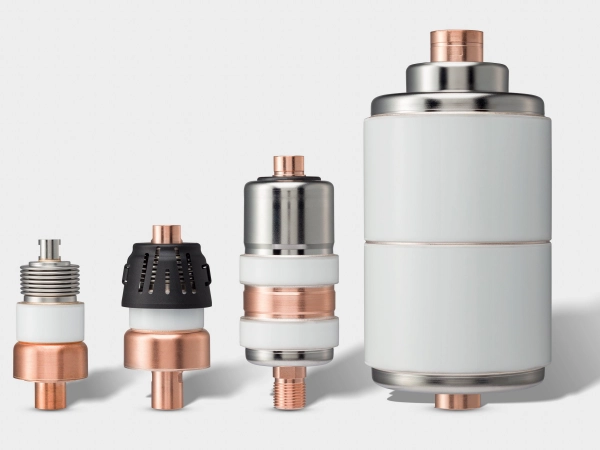
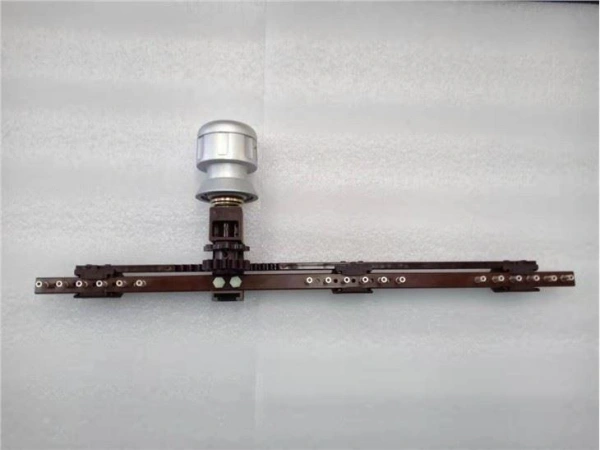
2. 부하 탭 체인저에서 (OLTC)
An OLTC can change tap positions while the transformer remains energized and supplying power.
This technology is essential for medium-voltage and high-voltage power transformers.
Typical Applications
- 유틸리티 변전소
- Power generation plants
- 재생 가능 에너지 프로젝트
- 산업용 전력 시스템
- 데이터 센터
장점
✔ Continuous voltage regulation
✔ No service interruption
✔ Automatic operation
✔ Improved power quality
Limitations
✖ Higher initial investment
✖ More complex maintenance
✖ More moving components
OLTC vs OCTC: Which One Should You Choose?
| Selection Factor | 80 | OLTC |
|---|---|---|
| Initial Cost | 낮추다 | 더 높은 |
| 유지 | 최소 | 보통의 |
| Voltage Control | 수동 | 오토매틱 |
| Power Interruption Required | 예 | 아니요 |
| 그리드 안정성 | 제한된 | Excellent |
| Typical Transformer Size | Small-Medium | Medium-Large |
General Recommendation
For distribution transformers below 2500kVA, OCTC is often sufficient.
For utility substations, 재생 가능 에너지 프로젝트, and industrial power transformers, OLTC is usually the preferred choice.
7 Critical Questions Every Buyer Should Ask Before Ordering
1. What Is the Transformer Voltage Class?
Tap changer selection starts with voltage level.
Common transformer voltage classes include:
- 10kV
- 11kV
- 20kV
- 33kV
- 35kV
- 66kV
- 110kV
- 132kV
- 220kV
Incorrect voltage matching can result in insulation failure and equipment damage.
2. What Is the Rated Current?
The tap changer must safely handle transformer current.
Common ratings:
| 현재 등급 | 일반적인 응용 |
|---|---|
| 63에이 | Small Distribution Transformers |
| 125에이 | Distribution Networks |
| 250에이 | Industrial Transformers |
| 400에이 | Medium Power Transformers |
| 600A+ | Utility Power Transformers |
Always verify rated current rather than selecting solely based on transformer capacity.
3. How Many Tap Positions Are Required?
Common tapping ranges include:
- ±2 × 2.5%
- ±5%
- ±8 × 1.25%
- ±10%
More tap positions allow finer voltage control but increase complexity.
For renewable energy projects where voltage fluctuations are frequent, additional tap positions may be beneficial.
4. Indoor or Outdoor Installation?
Environmental conditions directly affect tap changer performance.
Consider:
Outdoor Applications
- 자외선 노출
- 비
- Salt spray
- 먼지
Indoor Applications
- Temperature control
- Humidity levels
- 통풍
Buyers in coastal regions should pay special attention to corrosion resistance.
5. How Frequently Will Switching Occur?
This is one of the most overlooked questions.
For OLTC systems:
- Some transformers switch only a few times per day.
- Others switch hundreds of times daily.
Higher switching frequency requires:
- Better contact materials
- More durable mechanisms
- Enhanced maintenance planning
6. What Standards Must Be Met?
Most international projects require compliance with:
- IEC 60214
- IEC 60076
- IEEE 표준
- ANSI Standards
항상 요청:
- Type Test Reports
- Routine Test Reports
- Quality Certificates
Failure to verify standards can delay project approvals.
7. What Is the Expected Service Life?
A quality tap changer should provide:
- Long mechanical life
- Stable electrical performance
- Low maintenance requirements
Ask suppliers for:
- Mechanical operation life
- Electrical operation life
- Recommended maintenance intervals
Lifecycle cost is often more important than purchase price.
Common Tap Changer Problems That Cost Buyers Money
Contact Wear
Electrical arcing gradually erodes contacts.
결과:
- Increased resistance
- Local overheating
- 효율성 감소
Carbon Deposits
Switching arcs generate carbon particles.
Results include:
- 오일 오염
- 절연 강도 감소
- Increased maintenance frequency
Drive Mechanism Failure
Mechanical components may wear over time.
Potential issues:
- Incomplete switching
- Position errors
- Operational failure
Insulation Deterioration
Aging insulation can lead to:
- 플래시오버
- 부분방전
- Catastrophic failure
Regular maintenance helps prevent these problems.
Supplier Evaluation Checklist
주문하기 전에, ask suppliers the following questions:
Technical Capability
✓ Do you manufacture the tap changer yourself?
✓ Can you provide OEM services?
✓ Do you offer technical drawings?
✓ Are custom voltage ratings available?
Quality Assurance
✓ Factory testing available?
✓ IEC compliance?
✓ Third-party inspection support?
✓ Traceable production records?
After-Sales Support
✓ Spare parts availability?
✓ Installation guidance?
✓ Technical support?
✓ Warranty coverage?
Why Cheap Tap Changers Often Become Expensive
Many procurement teams focus heavily on purchase price.
하지만, a tap changer failure can result in:
- 변압기 차단
- Emergency maintenance
- Production losses
- Customer complaints
- Replacement costs
A slightly higher-quality tap changer often delivers a significantly lower total ownership cost over the transformer’s lifetime.
미래 동향: Smart Tap Changers
As power systems become more intelligent, smart tap changers are gaining popularity.
Modern systems may include:
- 원격 모니터링
- Real-time diagnostics
- 예측 유지보수
- SCADA integration
- Digital position monitoring
These technologies help reduce downtime and improve grid reliability.
Looking for Reliable Transformer Tap Changers?
~에 낙양대당에너지기술유한회사, 주식회사., we supply high-quality transformer accessories for power utilities, transformer manufacturers, EPC 계약자, and industrial projects worldwide.
Our product range includes:
- On Load Tap Changers (OLTC)
- Off Load Tap Changers (80)
- 부흐홀츠 계전기
- 오일 레벨 표시기
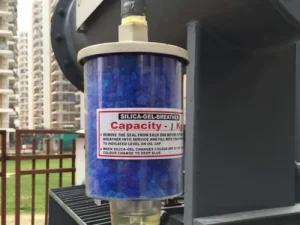
- 실리카겔 브리더
- 압력 완화 장치
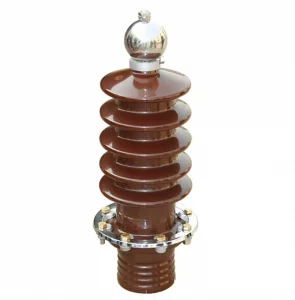
- 변압기 부싱
- Transformer Thermometers
Contact our engineering team today for technical support, drawings, pricing, and customized solutions for your transformer projects.
이메일: sales@pddn.com
웹사이트: https://www.pddn.com/