電子部品サプライヤー | トランスフォーマー, インダクタ, インバータ


変圧器は数十年間にわたって確実に動作するように設計されています, ただし、一部のコンポーネントは他のコンポーネントよりも注意が必要です. すべての変圧器アクセサリの中で, 変圧器のブッシュ are among the most critical components because they provide the connections between the internal windings and the external power network.
Although a bushing looks like a simple insulating component, it actually performs several important functions:
- Carrying high-voltage current safely;
- Preventing electrical breakdown between conductor and transformer tank;
- Maintaining insulation performance under temperature, 湿度, and pollution conditions;
- Ensuring reliable operation of the transformer throughout its service life.
A damaged transformer bushing can lead to partial discharge, 絶縁不良, 油漏れ, and even unexpected transformer shutdown.
For power utilities, 産業プラント, および再生可能エネルギープロジェクト, understanding transformer bushings is essential for proper selection and maintenance.
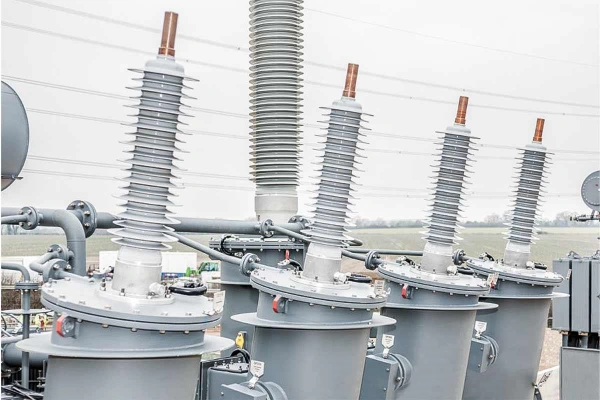
1. 変圧器ブッシュとは何ですか?
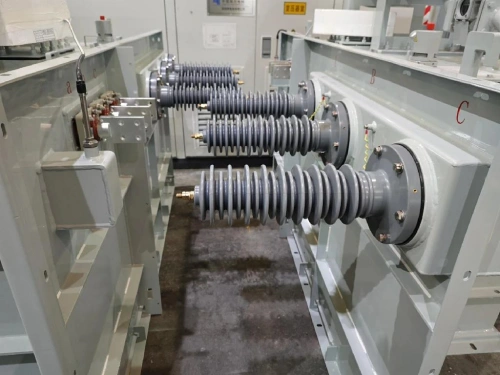
A transformer bushing is an insulated device installed on the transformer tank that allows an electrical conductor to pass safely through the grounded enclosure.
Inside an oil immersed transformer, the winding is surrounded by transformer oil for insulation and cooling. しかし, the electrical connection must extend outside the transformer to connect with cables, バスバー, or switchgear.
The transformer bushing creates a safe transition point:
Transformer winding → Internal conductor → Transformer bushing → External power connection
Without a suitable bushing, the high-voltage conductor would create excessive electrical stress and could cause insulation failure.
2. How Does a Transformer Bushing Work?
The main challenge of a transformer bushing is controlling the electric field around the high-voltage conductor.
High voltage creates strong electrical stress. If the stress is concentrated in one area, the insulation material may deteriorate over time.
Modern transformer bushings use multiple insulation layers and grading structures to distribute the electric field evenly.
The main components include:
| 成分 | 関数 |
|---|---|
| Central conductor | Transfers electrical current |
| Insulation layers | Provides electrical isolation |
| Capacitive grading layers | Controls voltage distribution |
| Porcelain or composite insulator | Provides external insulation |
| Mounting flange | Fixes bushing to transformer tank |
| Sealing system | Prevents oil and moisture leakage |
A high-quality bushing must maintain stable insulation performance during:
- Normal operation;
- Short circuit conditions;
- Temperature changes;
- Environmental exposure.
3. 変圧器ブッシュの主な種類
Different transformer applications require different bushing designs.
3.1 Oil Impregnated Paper (OIP) ブシュ
Oil Impregnated Paper (OIP) bushings are widely used in traditional power transformers.
The insulation system consists of:
- Special insulating paper;
- Conductive grading layers;
- 変圧器油.
利点:
- Proven technology;
- 長い稼働歴;
- Suitable for medium and high voltage transformers.
OIP bushings are commonly used in:
- 配電変圧器;
- 電源トランス;
- Substation equipment.
しかし, they require regular inspection because oil aging and moisture can reduce insulation performance.
3.2 Resin Impregnated Paper (RIP) ブシュ
RIP bushings use epoxy resin instead of oil as the main insulation material.
利点:
- 油漏れのリスクがない;
- Lower maintenance requirement;
- Better environmental performance.
They are increasingly used in:
- Renewable energy substations;
- Modern power networks;
- High-voltage applications.
3.3 磁器ブッシング vs 複合材ブッシング
The external insulation material is another important consideration.
| 特徴 | Porcelain Bushing | Composite Bushing |
|---|---|---|
| Mechanical strength | 素晴らしい | 素晴らしい |
| 重さ | Heavy | 軽量 |
| Pollution resistance | Good | Better |
| Impact resistance | より低い | より高い |
| 交通機関 | More difficult | Easier |
Composite bushings are becoming popular in coastal areas and regions with heavy pollution because of their excellent resistance to environmental conditions.
4. Common Transformer Bushing Failure Causes
Although transformer bushings are designed for long service life, several factors can cause failure.
4.1 湿気の侵入
Moisture is one of the biggest threats to transformer insulation.
よくある原因:
- Aging seals;
- Damaged gasket;
- Improper storage;
- Poor installation.
Moisture reduces dielectric strength and accelerates insulation aging.
4.2 絶縁劣化
After years of operation, insulation materials naturally deteriorate.
Typical signs include:
- Increased dielectric loss;
- Reduced insulation resistance;
- Partial discharge activity.
Regular testing helps identify problems before failure occurs.
4.3 油漏れ
Oil leakage is one of the easiest problems to identify visually.
Possible reasons:
- Aging sealing gasket;
- Loose flange connection;
- Temperature expansion;
- 機械的損傷.
Even minor oil leakage should be inspected because it may allow moisture to enter the insulation system.
4.4 過熱
Excessive temperature can damage the bushing insulation.
Possible causes:
- 電気接続が緩んでいる;
- High contact resistance;
- Transformer overload.
Long-term overheating significantly reduces bushing lifespan.
5. How to Select the Right Transformer Bushings?
When purchasing or replacing transformer bushings, engineers should consider several parameters.
1. 定格電圧
The bushing voltage rating must match the transformer system voltage.
例:
- 11kV transformer → 12kV class bushing
- 33kV transformer → 36kV class bushing
2. 定格電流
The bushing current rating must be higher than the transformer operating current.
Incorrect selection may cause overheating.
3. 設置寸法
Before ordering replacement bushings, always confirm:
- Mounting hole dimensions;
- フランジサイズ;
- Conductor connection type;
- Overall height;
- 沿面距離.
Many replacement problems occur because the electrical parameters are correct but the mechanical dimensions are different.
4. Applicable Standards
Common transformer bushing standards include:
- IEC 60137: Insulated bushings for AC voltages above 1000V;
- IEEE standards for power equipment applications.
6. Transformer Bushings Maintenance Checklist
Regular inspection can significantly extend transformer service life.
| Inspection Item | Recommended Action |
|---|---|
| 油漏れ | Check seals and flange |
| Surface contamination | Clean insulation surface |
| ひび割れ | Inspect porcelain/composite housing |
| 温度 | Monitor abnormal heating |
| 絶縁抵抗 | Perform electrical testing |
| 部分放電 | Conduct diagnosis if required |
7. Common Questions About Transformer Bushings
How long does a transformer bushing last?
A high-quality transformer bushing can typically operate for 20–30 years or longer under proper maintenance.
What causes transformer bushing failure?
The main causes include moisture, 絶縁劣化, 過熱, 油漏れ, and mechanical damage.
Can a transformer bushing be replaced?
はい. Replacement is possible if the new bushing matches:
- 定格電圧;
- Current rating;
- Mechanical dimensions;
- Installation requirements.
Why do transformer bushings crack?
Cracking may result from mechanical stress, temperature changes, aging, or external impact.
Manufacturer Insight
As a transformer manufacturer and transformer accessories supplier, PDDN understands that reliable transformer operation depends not only on the transformer body but also on every connected component.
For transformer bushing replacement or OEM requirements, customers should provide:
- Transformer rated voltage;
- Current rating;
- Installation drawing;
- Existing bushing model;
- Required standard.
This information helps ensure electrical compatibility and reliable installation.
PDDNについて
PDDN のオンラインプラットフォームです洛陽大唐能源科技有限公司, 株式会社., 信頼できるメーカーおよび世界的なサプライヤー電源変圧器, 変圧器の付属品, 開閉装置コンポーネント, バッテリーエネルギー貯蔵システム (ベス), およびEV充電ソリューション. 以来 2015, 私たちは公益事業会社をサポートしてきました, EPC請負業者, 信頼性の高い製品を世界中の産業顧客に提供します, OEM/ODMサービス, 技術的な専門知識と.