Поставщик электронных компонентов | Трансформеры, Индукторы, Инверторы


Введение
АПолноволновой выпрямитель is an essential electronic circuit that convertsпеременный ток (переменного тока) intoпостоянный ток (округ Колумбия). В отличие от полуволнового выпрямителя, который использует только половину формы сигнала переменного тока, a full-wave rectifier uses both halves, improving efficiency and reducing ripple voltage. This makes it a critical component in power supplies, зарядные устройства для аккумуляторов, and various electronic devices.
With the growing demand for efficient power conversion in renewable energy systems, электромобили (электромобили), and consumer electronics, understanding full-wave rectifiers has become more relevant than ever. В этой статье исследуютсяпринцип работы, типы, преимущества, and real-world applications of full-wave rectifiers while optimizing forSEO and readability.
How Does a Full Wave Rectifier Work?
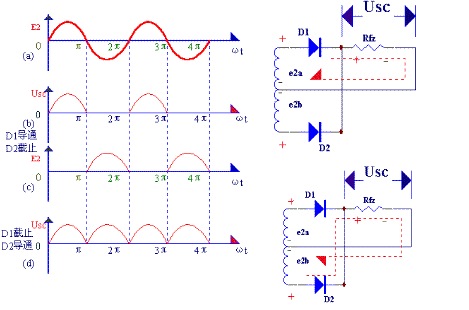
Аfull-wave rectifier can be constructed usingtwo diodes (center-tapped transformer) илиfour diodes (bridge rectifier). Both configurations ensure that current flows in the same direction during both positive and negative half-cycles of the AC input.
1. Center-Tapped Full Wave Rectifier
- Uses two diodes and a center-tapped transformer.
- During the positive half-cycle, diode Д1 conducts, пока D2 remains reverse-biased.
- During the negative half-cycle, diode D2 conducts, пока Д1 is reverse-biased.
- Output is a pulsating DC with less ripple compared to a half-wave rectifier.
2. Мостовой выпрямитель (Most Common)
- Uses four diodes arranged in a bridge configuration.
- No need for a center-tapped transformer, making it more cost-effective.
- Diodes Д1 & D2 conduct during the positive half-cycle, пока D3 & D4 conduct during the negative half-cycle.
- Provides более высокая эффективность and is widely used in power adapters and industrial power supplies.
Advantages of Full Wave Rectifiers
- Более высокая эффективность – Utilizes both halves of the AC waveform, delivering more DC output.
- Lower Ripple Factor – Smoother DC output compared to half-wave rectifiers.
- Better Transformer Utilization – No wasted cycles, improving power conversion efficiency.
- Wider Applications – Used in источники питания, зарядные устройства для аккумуляторов, и возобновляемые источники энергии.
Недостатки & Solutions
- More Components Required – A bridge rectifier uses four diodes instead of one.
- Higher Heat Dissipation – Diodes may require heat sinks in high-power applications.
- Voltage Drop – Each diode causes a ~0.7V drop, reducing output voltage.
Solution: СовременныйSchottky diodes иsynchronous rectifiers minimize voltage drops and improve efficiency.
Applications of Full Wave Rectifiers
- Power Supplies – Used in AC-to-DC adapters for laptops, smartphones, and TVs.
- Battery Chargers – Converts AC mains to DC for charging электромобили, solar batteries, и системы ИБП.
- Системы возобновляемой энергии – Essential in solar inverters and wind power converters.
- Industrial Electronics – Used in моторные приводы, сварочные аппараты, and CNC controllers.
Future Trends & Инновации
С достижениями вwide-bandgap semiconductors (Карбид кремния & ГаН), full-wave rectifiers are becoming more efficient, компактный, and suitable forhigh-frequency applications. Рост5Г, Интернет вещей, и электромобили is further driving demand forhigh-efficiency power conversion.
Заключение
Thefull wave rectifier is a cornerstone of modern electronics, enabling efficient AC-to-DC conversion. Whether inconsumer electronics, industrial systems, or renewable energy, its role is indispensable. As technology evolves, more efficient and compact rectifier designs will continue to shape the future of power electronics.
ПОХОЖИЕ ПОСТЫ
Как найти «вне сети»’ Солнечные инверторы/зарядные системы
Полное руководство по герметичному масляному трансформатору мощностью 1000 кВА

2Тиристор N6509G – многофункциональное устройство для силовой электроники
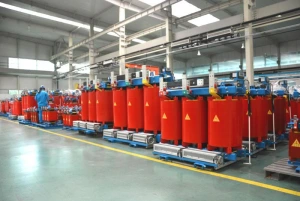
Технология трансформаторов сухого типа: От инноваций в области изоляции к интеллектуальным энергетическим экосистемам

Масляные трансформаторы привносят новую энергию в проекты зеленой энергетики