


Поставщик электронных компонентов | Трансформеры, Индукторы, Инверторы


Введение
Анelectrical transformer is a fundamental device in power distribution and electronics, предназначен дляtransfer electrical energy between circuits through electromagnetic induction. Путем повышения или понижения уровня напряжения, transformers enable efficientпередача энергии на большие расстояния and safe voltage adaptation for household and industrial use.
В условиях глобального стремления кумные сети, интеграция возобновляемых источников энергии, and electric vehicle (ЕВ) charging infrastructure, transformers are more critical than ever. This article exploreshow transformers work, their key types, efficiency considerations, and emerging trends, optimized forSEO and readability to attract organic traffic.
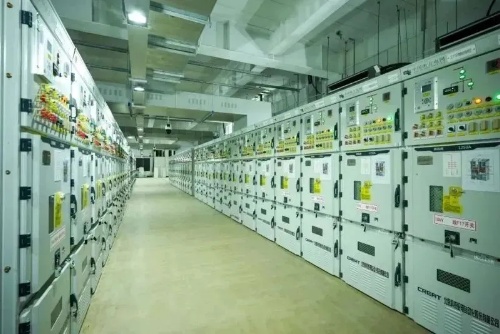
How Does an Electrical Transformer Work?
Transformers operate on the principle ofFaraday’s Law of Electromagnetic Induction, which states that a changing magnetic field induces a voltage in a conductor. A basic transformer consists of:
- Primary Coil – Receives input AC voltage.
- Secondary Coil – Delivers transformed output voltage.
- Ferromagnetic Core – Enhances magnetic coupling between coils.
When AC flows through the primary coil, it generates afluctuating magnetic field, inducing a voltage in the secondary coil. Theпередаточное число оборотов (N₁/N₂) determines whether the transformersteps up (increases) илиsteps down (decreases) Напряжение.
Types of Electrical Transformers
1. Step-Up & Step-Down Transformers
- Step-Up – Increases voltage (например, power plants to transmission lines).
- Step-Down – Decreases voltage (например, household outlets).
2. Распределительные трансформаторы
- Используется вlocal power grids to supply homes and businesses.
- Обычноoil-cooled or dry-type для безопасности.
3. Isolation Transformers
- Provideelectrical separation for safety in medical and industrial equipment.
4. Autotransformers
- Single-winding design forкомпактный, cost-effective voltage adjustment.
5. Instrument Transformers
- Трансформаторы тока (трансформаторы тока) & Потенциальные трансформаторы (PTs) – Used for metering and protection in high-voltage systems.
Key Advantages of Transformers
✔Эффективная передача мощности – Reduce energy loss over long distances.
✔Voltage Adaptation – Enable safe usage in different applications.
✔Galvanic Isolation – Prevent electrical shocks in sensitive devices.
✔Надежность – Long lifespan with minimal maintenance.
Проблемы & Modern Solutions
- Energy Losses – Core losses (hysteresis & вихревые токи) and copper losses reduce efficiency.
- Solution: Amorphous metal cores and high-efficiency designs (e.g.,Energy Star-rated transformers).
- Heat Dissipation – Large transformers require cooling systems.
- Solution: Oil-immersed cooling or forced-air systems.
- Экологические проблемы – Traditional oil-filled transformers risk leaks.
- Solution: Eco-friendly ester-based fluids and dry-type transformers.
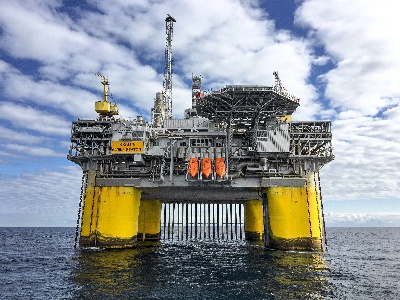
Transformers in Modern Applications
- Умные сети – Enable bidirectional power flow forинтеграция возобновляемых источников энергии.
- Электромобили (электромобили) – Fast-charging stations rely onhigh-power transformers.
- Возобновляемая энергия – Solar/wind farms usestep-up transformers to feed power into the grid.
- Промышленная автоматизация – Provide stable voltage forrobotics and CNC machines.
- Дата-центры – Ensure uninterrupted power withredundant transformer systems.
Future Trends & Инновации
- Solid-State Transformers (SSTs) – Use power electronics forsmaller, умнее, и более эффективный voltage conversion.
- IoT-Enabled Monitoring – Sensors predict failures viareal-time diagnostics.
- Зеленые Трансформеры – Sustainable materials and biodegradable insulation oils.
Заключение
Electrical transformers remain indispensable inраспределение мощности, возобновляемая энергия, and modern electronics. As technology advances, innovations likesolid-state transformers and smart grid compatibility will drive the next generation of energy-efficient systems.
О ПДДН
ПДДН это онлайн-платформаЛоянская компания Datang Energy Technology Co., ООО., надежный производитель и мировой поставщиксиловые трансформаторы, аксессуары для трансформаторов, компоненты распределительного устройства, аккумуляторные системы хранения энергии (БЕСС), и решения для зарядки электромобилей. С 2015, мы поддержали коммунальные предприятия, EPC-подрядчики, и промышленным клиентам по всему миру с надежной продукцией, OEM/ODM-услуги, и техническая экспертиза.
ThePDDN Blog provides practical engineering knowledge, product selection guides, maintenance tips, and industry insights for professionals in the power and energy sector.
Learn more: https://www.pddn.com/
Электронная почта: sales@pddn.com
ПОХОЖИЕ ПОСТЫ
Зеленое производство и переработка: Путь устойчивого развития трансформаторной промышленности
Трансформаторы в фотоэлектрических системах генерации электроэнергии: Полное техническое руководство от системной архитектуры до инженерного выбора
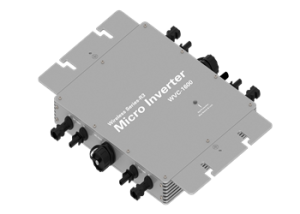
Мировой рынок солнечных инверторов продолжает расти, и новые технологии помогают преобразовать бытовую энергетику

Как трехфазный тиристорный регулятор мощности управляет мощностью?

Перспективы применения эпитаксиальных диодов с быстрым восстановлением в новых областях, таких как новая энергетика., электромобили, и интеллектуальное производство
