


Lieferant elektronischer Komponenten | Transformatoren, Induktoren, Wechselrichter


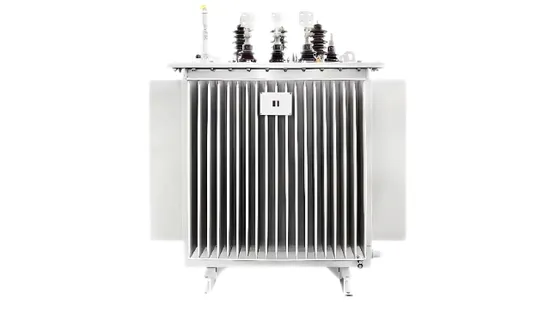
Overview of High Voltage Main Power Transformers
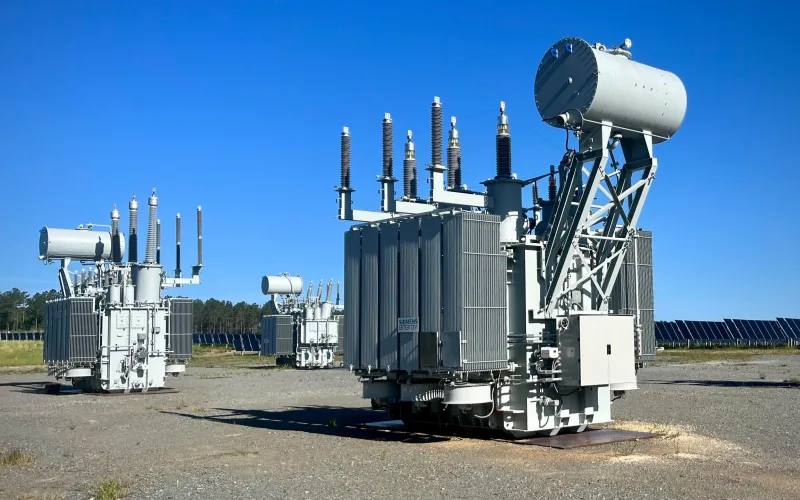
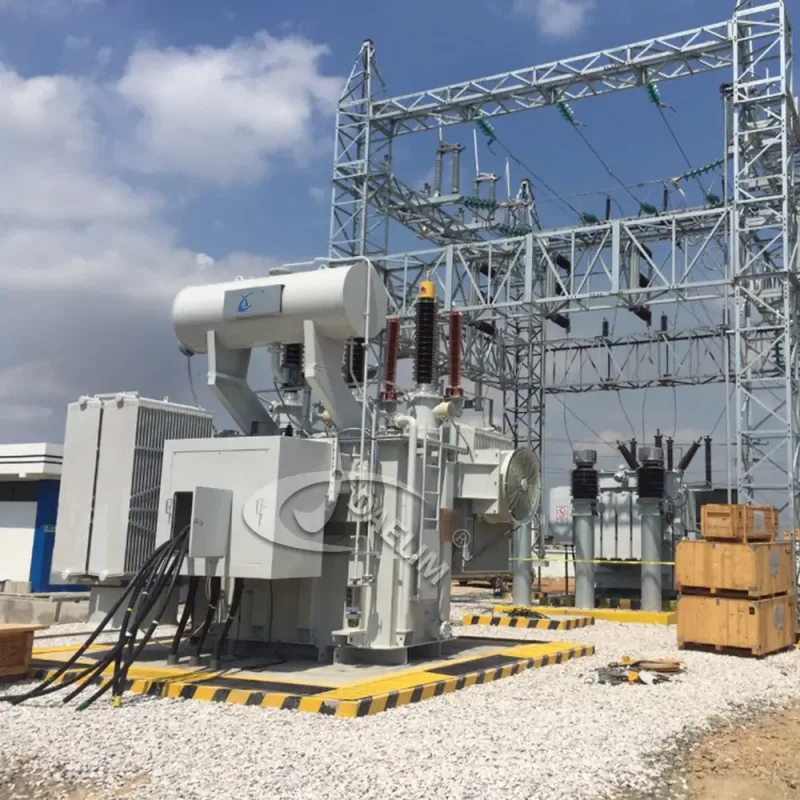
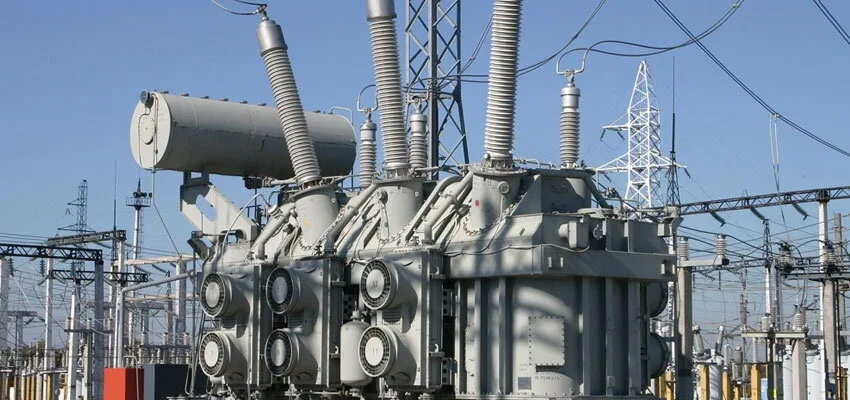
Hochspannungs-Hauptleistungstransformatoren sind wichtige Geräte in elektrische Energieübertragungssysteme, Entwickelt, um große elektrische Lasten zu bewältigen und Spannungsniveaus für die Stromübertragung über große Entfernungen umzuwandeln.
Diese Transformatoren werden üblicherweise in eingebaut Kraftwerke, elektrische Umspannwerke, und nationale Netzinfrastruktur, Ermöglicht eine effiziente Übertragung von Elektrizität über Städte und Regionen hinweg. Mit robustem Design und hoher Isolationsleistung, Hochspannungstransformatoren sorgen dafür stabile und zuverlässige Stromversorgung für moderne Energienetze.
Wie Hochspannungstransformatoren funktionieren
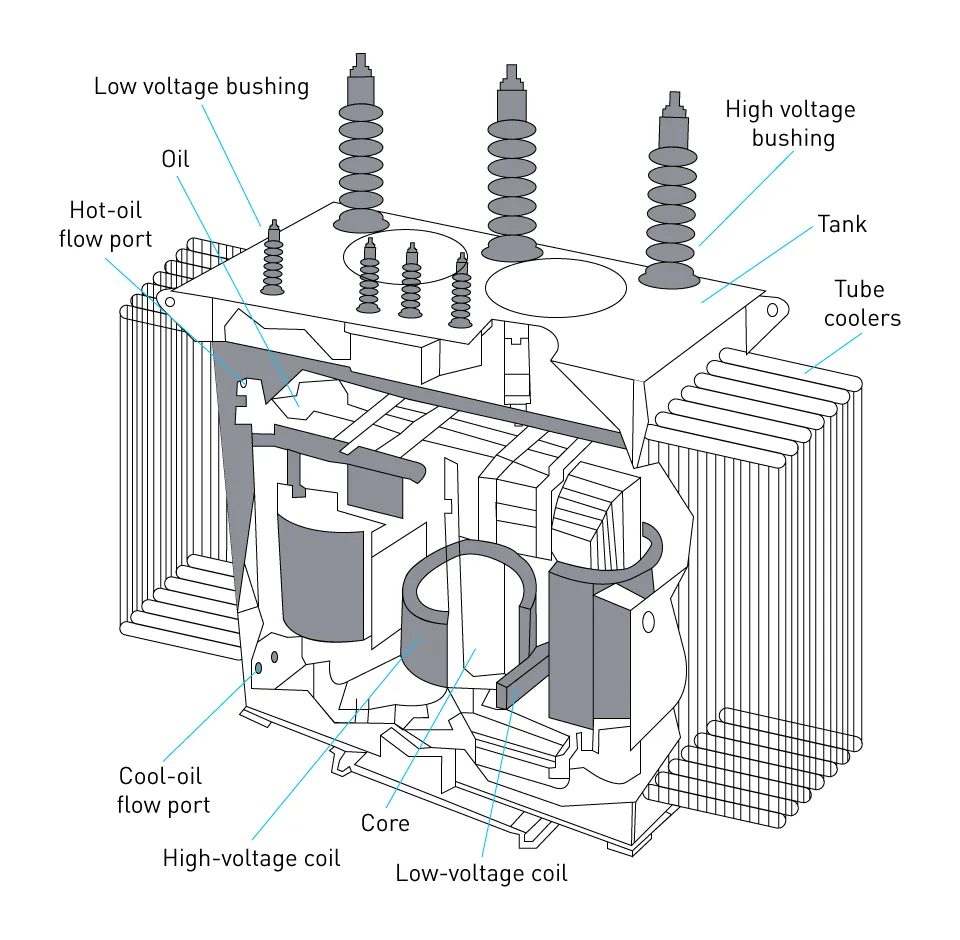
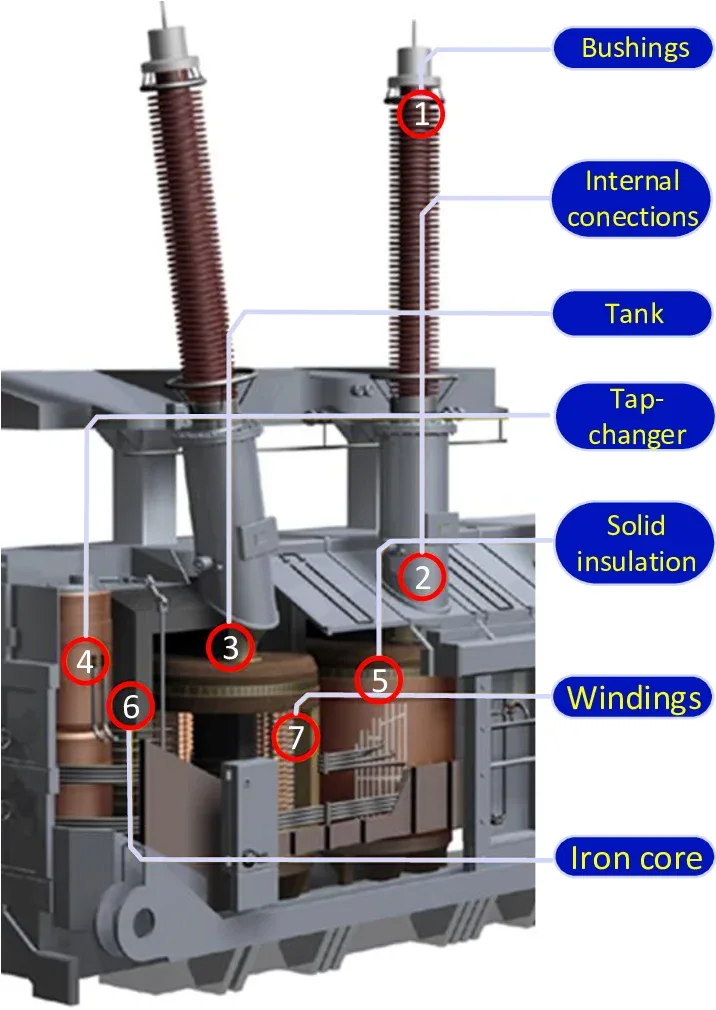
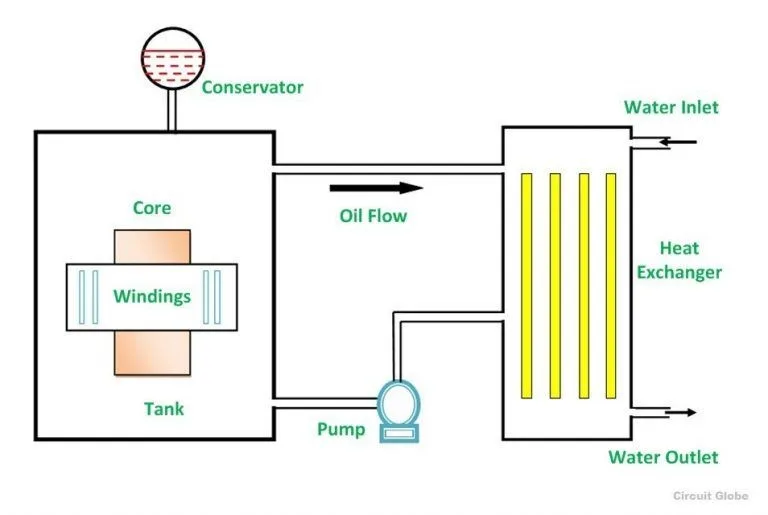
Hochspannungstransformatoren übertragen elektrische Energie zwischen Stromkreisen und erhöhen oder verringern gleichzeitig die Spannungspegel elektromagnetische Induktion.
| Komponente | Funktion |
|---|---|
| Kern | Leitet den magnetischen Fluss für eine effiziente Energieübertragung |
| Hochspannungswicklung | Carries high-voltage electrical current and transfers electrical energy through electromagnetic induction |
| Niederspannungswicklung | Carries low-voltage electrical current and transfers energy to or from the high-voltage winding |
| Isolierung | Electrically isolates the windings and other components to prevent short circuits and electrical breakdown |
| Transformatoröl | Provides electrical insulation and removes heat generated during operation |
| Tank | Houses and protects the core, Wicklungen, und Isolieröl |
| Bushing | Provides a safe insulated connection for conductors passing through the transformer tank |
| Tippen Sie auf Wechsler | Adjusts the winding turns ratio to regulate the output voltage |
| Kühlsystem | Dissipates heat from the transformer to maintain a safe operating temperature |
| Conservator Tank | Accommodates the expansion and contraction of transformer oil caused by temperature changes |
| Verschnaufpause | Prevents moisture from entering the transformer while allowing air exchange as the oil expands and contracts |
| Kühler | Increases the surface area for heat dissipation and helps cool the transformer oil |
| Grounding System | Provides a safe path for fault current and helps protect equipment and personnel |
Diese Transformatoren sind für den Betrieb unter ausgelegt hohe elektrische Belastung und schwere Lastbedingungen, Gewährleistung eines zuverlässigen Betriebs in Stromnetzen.
Arten von Hochspannungstransformatoren
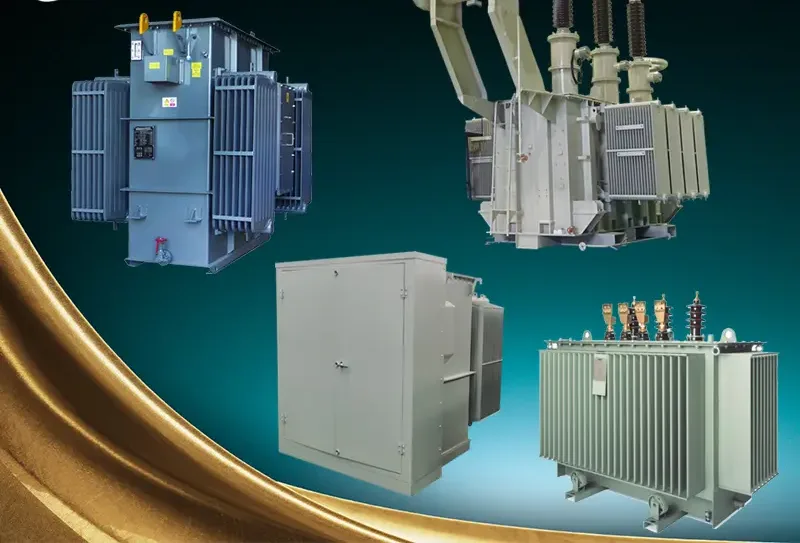
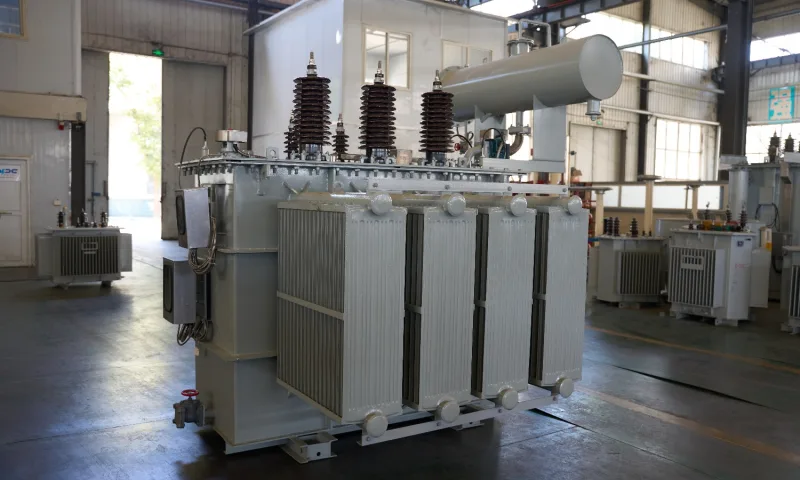
- Aufwärtstransformator – Erhöht die Spannung für die Fernübertragung.
- Abwärtstransformator – Reduziert die Spannung für Verteilungsnetze.
- Dreiphasen-Leistungstransformator – Wird in großen Energiesystemen verwendet.
- Netztransformator – Installiert in Umspannwerken.
Vorteile von Hochspannungstransformatoren
- Effiziente Kraftübertragung über große Entfernungen
- Hohe Belastbarkeit für Stromnetze
- Robustes Isolations- und Kühldesign
- Zuverlässiger Betrieb in Versorgungsnetzen
- Lange Lebensdauer bei stabiler Leistung
Unternehmensprofil
Luoyang Datang Energy Technology Co., Ltd. ist ein High-Tech-Unternehmen, das R integriert&D, Herstellung, und Lieferung von Energieausrüstung und Lösungen für erneuerbare Energien. Spezialisiert auf Transformatoren, neue Energiekomponenten, Verteilerschränke, und Wechselrichter, Wir haben unser Portfolio um erweitertSolarstromanlagen, Energiespeicher Lösungen, UndLuftwärmepumpen. Mit technologischer Innovation als unserem Kern, Wir konzentrieren uns auf die Entwicklung hochzuverlässiger und leistungsstarker Energie- und Energieeffizienzlösungen für globale Kunden. Durch ein strenges Qualitätskontrollsystem und eine internationale Standardzertifizierung, Wir liefern kontinuierlich hervorragende Produkte, die es unseren Kunden ermöglichen, sicher zu bauen, stabil, und nachhaltige Energiesysteme.
Wenn Sie auf der Suche nach einem hochwertigen sind, Hochspannungsführender Leistungstransformator Anbieter, Wir laden Sie ein, mit uns Kontakt aufzunehmen oder auf verwandte Produkte zu klicken, um eine Anfrage zu stellen.
Payment Methods of High Voltage Main Power TransformerS
L/C, T/T, Western Union, Paypal, Kreditkarte usw.
Shipment of High Voltage Main Power TransformerS
Sobald die Zahlung eingegangen ist, auf dem Seeweg, auf dem Luftweg, oder per Express so schnell wie möglich.
FAQs of High Voltage Main Power Transformers
1. Was ist ein Hochspannungstransformator??
A high voltage power transformer is a large electrical device designed to increase or decrease voltage levels in power generation, Übertragung, and distribution systems. It operates based on the principle of elektromagnetische Induktion, transferring electrical energy between circuits while maintaining the same frequency.
High voltage transformers are typically engineered for hohe effizienz, zuverlässiger Betrieb, und lange Lebensdauer, making them essential components of modern electrical power networks.
2. Wo werden Hochspannungstransformatoren eingesetzt??
High voltage power transformers are widely used in Kraftwerke, elektrische Umspannwerke, transmission networks, Industrieanlagen, und nationale Stromnetzinfrastruktur.
They are commonly installed at different stages of the power system to:
- Step up voltage for long-distance power transmission
- Step down voltage at substations
- Connect different voltage levels within the power grid
- Supply electricity to large industrial loads
- Improve the efficiency and reliability of power transmission systems
3. Welche Spannungsebenen gelten als Hochspannung??
High voltage transformer applications can cover a wide range of voltage levels depending on the power system and regional standards.
Common transmission and sub-transmission voltage levels include 35kV, 66kV, 110kV, 132kV, 220kV, 330kV, 500kV, und höher.
The appropriate voltage rating depends on factors such as transmission distance, Leistungskapazität, grid configuration, insulation requirements, and local electrical standards.
4. Warum sind Hochspannungstransformatoren für die Stromübertragung wichtig??
High voltage transformers play a critical role in reducing energy losses during long-distance electricity transmission.
Von stepping up the voltage, the same amount of electrical power can be transmitted at a lower current. Lower current helps reduce losses in transmission conductors, improving overall transmission efficiency.
At the receiving end of the network, transformers can then step down the voltage to levels suitable for distribution, industrial equipment, or other electrical loads.
5. Was ist die typische Lebensdauer eines Leistungstransformators??
A properly designed, manufactured, installiert, and maintained power transformer can typically operate for 30–40 Jahre oder mehr.
The actual service life depends on several factors, einschließlich:
- Operating temperature
- Electrical loading
- Insulation condition
- Transformer oil quality
- Moisture and contamination
- Short-circuit events
- Cooling system performance
- Regelmäßige Inspektion und Wartung
Proper monitoring and preventive maintenance can help extend the transformer’s operational life and improve reliability.
6. What are the main components of a high voltage power transformer?
A high voltage power transformer consists of several key components that work together to ensure safe and efficient operation.
The major components include:
- Kern – Provides a low-reluctance path for magnetic flux.
- Hochspannungswicklung – Handles the high-voltage side of the transformer.
- Niederspannungswicklung – Handles the low-voltage side and transfers electrical energy through electromagnetic induction.
- Isoliersystem – Electrically isolates windings and other energized components.
- Transformatoröl – Provides insulation and helps transfer heat away from the active parts.
- Tank – Protects the internal components and contains the insulating oil.
- Buchsen – Provide insulated electrical connections between the internal windings and external circuits.
- Kühlsystem – Dissipates heat generated during transformer operation.
- Tippen Sie auf Wechsler – Adjusts the voltage ratio to help maintain the required output voltage.
7. What is the difference between a step-up and a step-down transformer?
The main difference is the relationship between the input and output voltage.
A Aufwärtstransformator increases the voltage from the primary side to the secondary side. It is commonly used at power generation facilities to increase voltage before electricity enters the transmission network.
A Abwärtstransformator reduces voltage to a lower level. It is commonly used at substations and distribution systems to provide suitable voltage levels for industrial, kommerziell, und Wohnanwendungen.
8. How does a high voltage transformer work?
A high voltage transformer works through elektromagnetische Induktion.
When alternating current flows through the primary winding, it produces a changing magnetic field in the transformer core. This changing magnetic flux induces a voltage in the secondary winding.
The voltage ratio is primarily determined by the turns ratio between the primary and secondary windings.
This allows the transformer to transfer electrical energy between circuits while changing the voltage level according to the requirements of the power system.
9. How is a high voltage transformer cooled?
Während des Betriebs, transformers generate heat due to winding losses, core losses, and other electrical losses. Effective cooling is therefore essential for maintaining reliable operation.
Depending on the transformer design and capacity, cooling may involve:
- Natural oil circulation
- Natürliche Luftkühlung
- Forced oil circulation
- Forced air cooling
- Radiators
- Fans and pumps
Large power transformers often use a combination of oil circulation, radiators, Fans, and pumps to efficiently remove heat.
10. What maintenance does a high voltage transformer require?
Regular maintenance is important for detecting potential problems before they lead to equipment failure.
Typical maintenance activities include:
- Checking transformer oil condition
- Inspecting bushings and terminals
- Monitoring oil and winding temperatures
- Checking for oil leakage
- Inspecting cooling equipment
- Testing insulation resistance
- Checking protection and monitoring devices
- Inspecting the tap changer
- Performing electrical diagnostic tests when required
The specific maintenance schedule should be determined according to the transformer’s design, Betriebsbedingungen, manufacturer recommendations, and applicable standards.