


Fornecedor de componentes eletrônicos | Transformadores, Indutores, Inversores


Overview of High Voltage Main Power Transformers
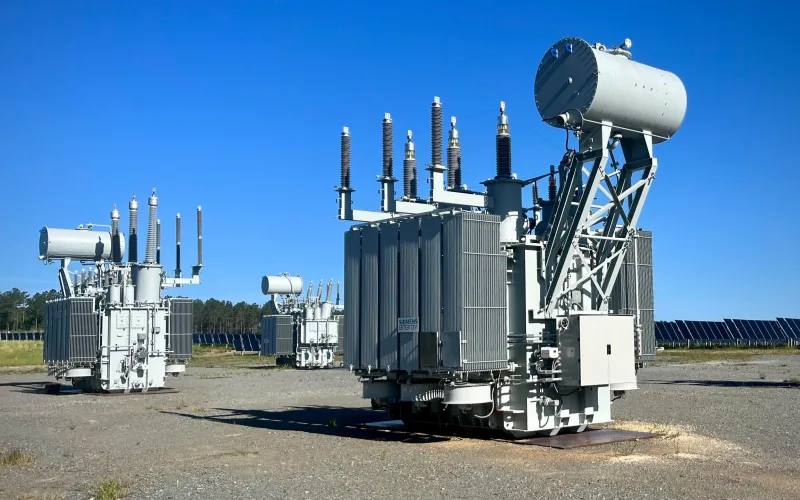
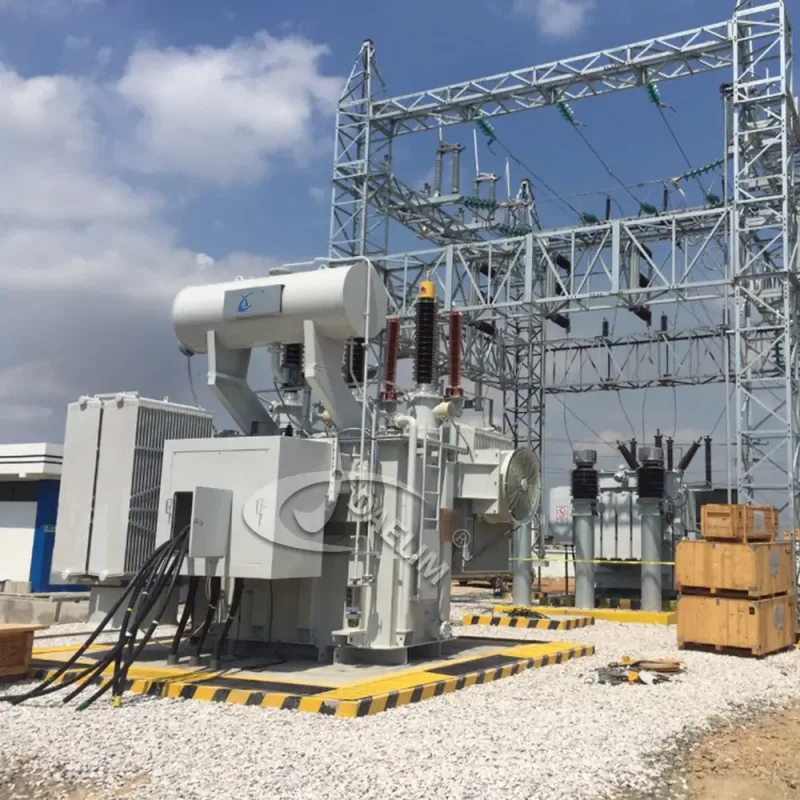
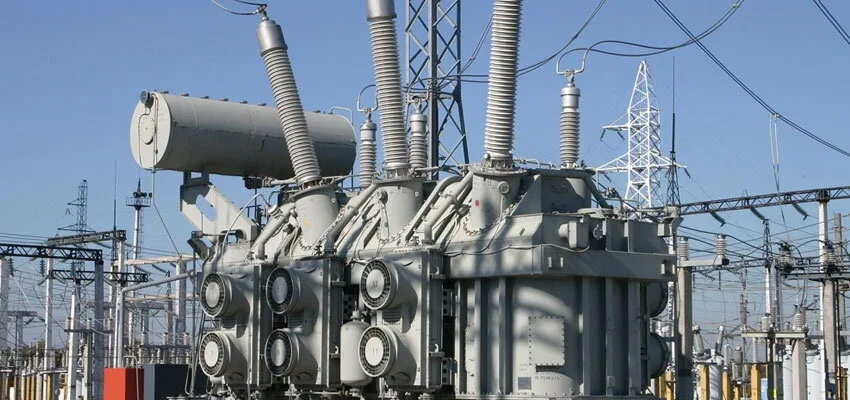
Os transformadores de potência principais de alta tensão são equipamentos críticos em sistemas de transmissão de energia elétrica, projetado para lidar com grandes cargas elétricas e converter níveis de tensão para transmissão de eletricidade de longa distância.
Esses transformadores são comumente instalados em usinas de energia, subestações elétricas, e infraestrutura de rede nacional, permitindo a transmissão eficiente de eletricidade entre cidades e regiões. Com design robusto e alto desempenho de isolamento, transformadores de alta tensão garantem fonte de alimentação estável e confiável para redes de energia modernas.
Como funcionam os transformadores de potência de alta tensão
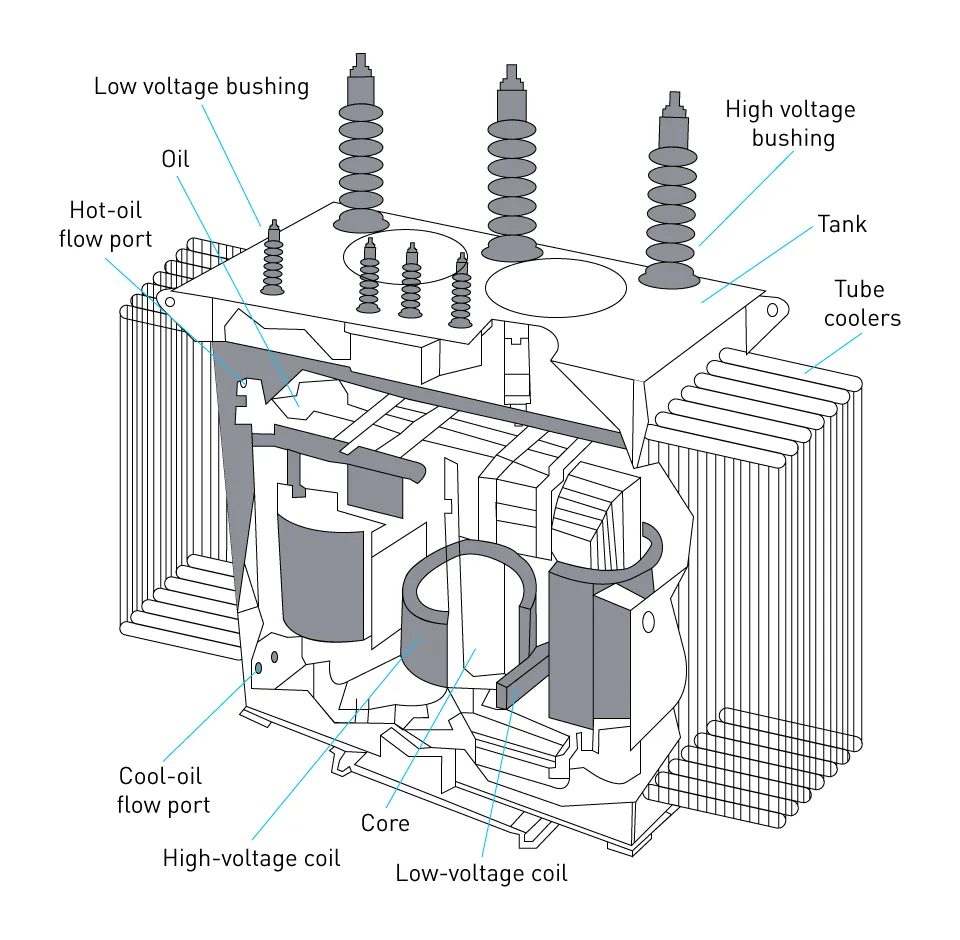
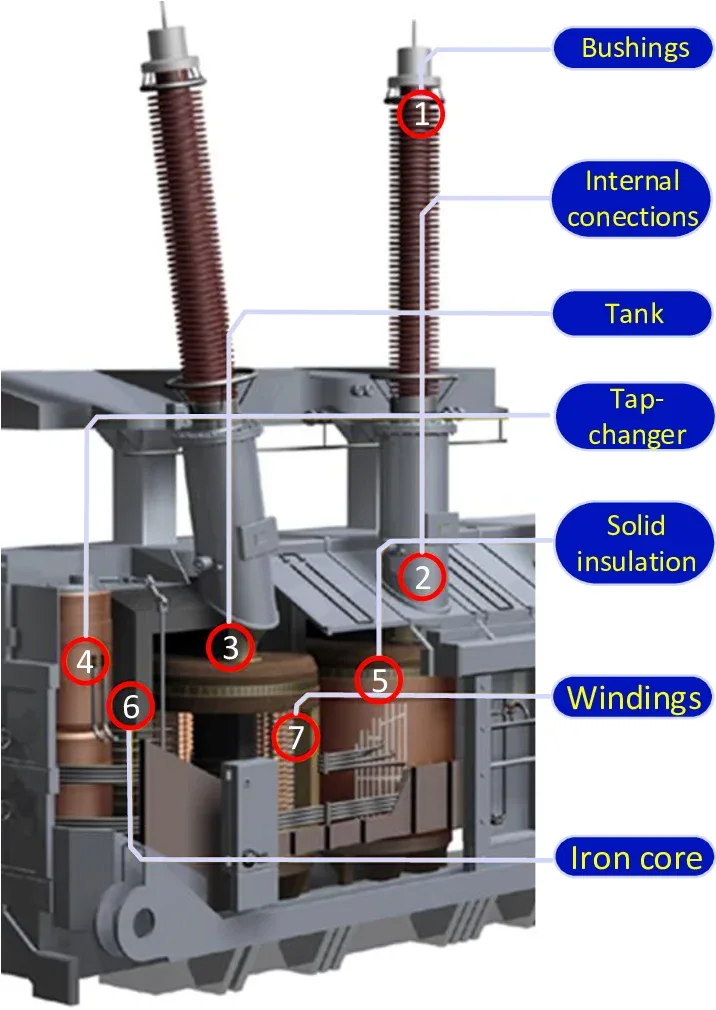
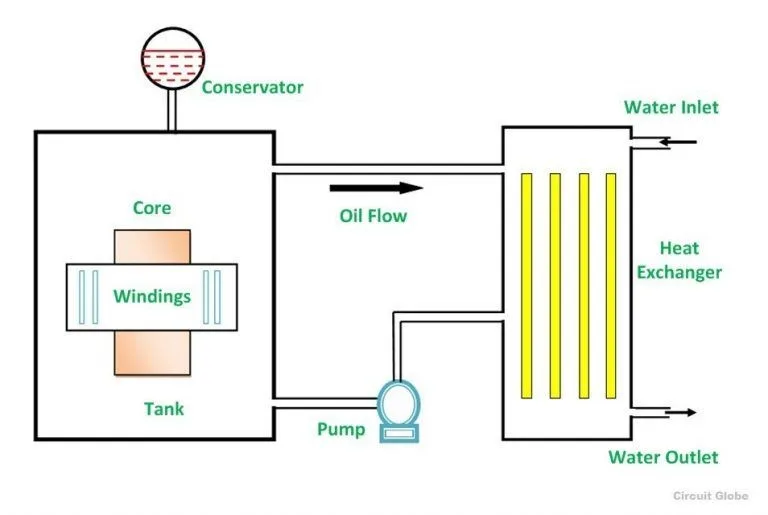
Transformadores de alta tensão transferem energia elétrica entre circuitos enquanto aumentam ou diminuem os níveis de tensão através indução eletromagnética.
| Componente | Função |
|---|---|
| Essencial | Conduz fluxo magnético para transferência eficiente de energia |
| Enrolamento de alta tensão | Carries high-voltage electrical current and transfers electrical energy through electromagnetic induction |
| Enrolamento de baixa tensão | Carries low-voltage electrical current and transfers energy to or from the high-voltage winding |
| Isolamento | Electrically isolates the windings and other components to prevent short circuits and electrical breakdown |
| Óleo de transformador | Provides electrical insulation and removes heat generated during operation |
| Tanque | Houses and protects the core, enrolamentos, e óleo isolante |
| Bushing | Provides a safe insulated connection for conductors passing through the transformer tank |
| Trocador de toque | Adjusts the winding turns ratio to regulate the output voltage |
| Sistema de resfriamento | Dissipates heat from the transformer to maintain a safe operating temperature |
| Conservator Tank | Accommodates the expansion and contraction of transformer oil caused by temperature changes |
| Respiradouro | Prevents moisture from entering the transformer while allowing air exchange as the oil expands and contracts |
| Radiador | Increases the surface area for heat dissipation and helps cool the transformer oil |
| Grounding System | Provides a safe path for fault current and helps protect equipment and personnel |
Esses transformadores são projetados para operar sob alto estresse elétrico e condições de carga pesada, garantindo operação confiável em redes elétricas.
Tipos de transformadores de potência de alta tensão
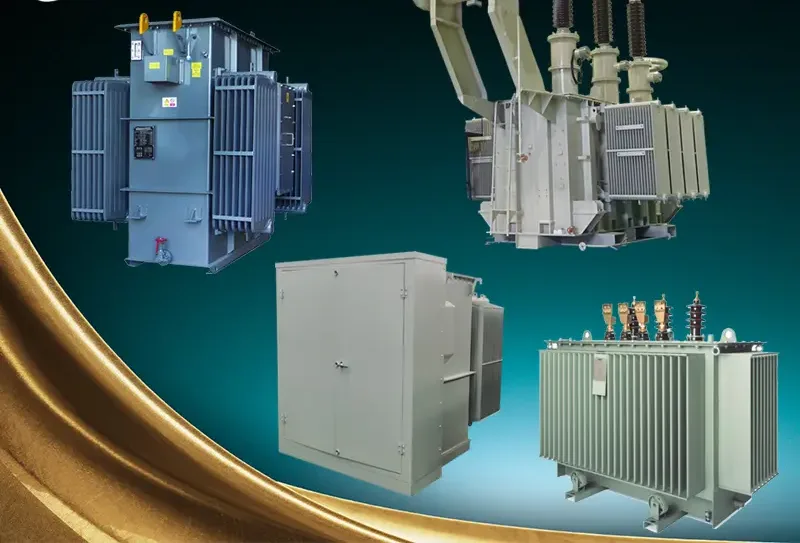
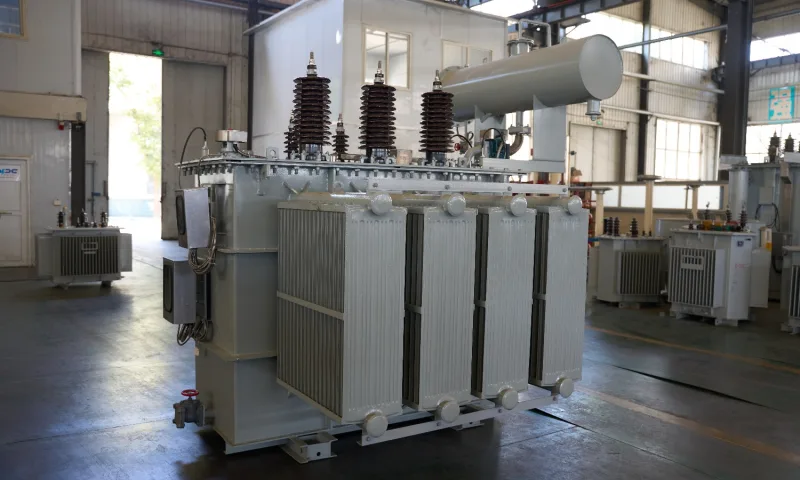
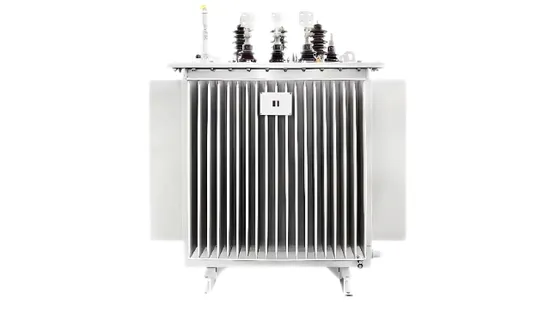
- Transformador de potência elevador – Aumenta a tensão para transmissão de longa distância.
- Transformador de potência abaixador – Reduz a tensão para redes de distribuição.
- Transformador de potência trifásico – Usado em sistemas de energia de grande escala.
- Transformador de subestação de rede – Instalado em subestações de transmissão.
Vantagens dos transformadores de potência de alta tensão
- Transmissão Eficiente de Energia em Longa Distância
- Alta capacidade de carga para redes elétricas
- Design robusto de isolamento e resfriamento
- Operação confiável em redes de serviços públicos
- Longa vida útil com desempenho estável
perfil de companhia
Luoyang Datang Tecnologia de Energia Co., Ltda. é uma empresa de alta tecnologia que integra R&D, fabricação, e fornecimento de equipamentos de energia e soluções de energia renovável. Especializada em transformadores, novos componentes de energia, armários de distribuição, e inversores, expandimos nosso portfólio para incluirsistemas de energia solar, armazenamento de energia soluções, ebombas de calor de fonte de ar. Com a inovação tecnológica como nosso núcleo, nos concentramos na criação de soluções de energia e eficiência energética de alta confiabilidade e alto desempenho para atender clientes globais. Através de um rigoroso sistema de controle de qualidade e certificação de padrão internacional, entregamos continuamente produtos excelentes que capacitam nossos clientes a construir, estável, e sistemas de energia sustentáveis.
Se você está procurando um produto de alta qualidade, transformador de potência principal de alta tensão fornecedor, convidamos você a entrar em contato conosco ou clicar em produtos relacionados para consultar.
Payment Methods of High Voltage Main Power Transformeré
L/C, T/T, Western Union, PayPal, Cartão de crédito etc..
Shipment of High Voltage Main Power Transformeré
Assim que o pagamento for recebido, por mar, de avião, ou por expresso o mais rápido possível.
FAQs of High Voltage Main Power Transformers
1. O que é um transformador de potência de alta tensão?
A high voltage power transformer is a large electrical device designed to increase or decrease voltage levels in power generation, transmissão, and distribution systems. It operates based on the principle of indução eletromagnética, transferring electrical energy between circuits while maintaining the same frequency.
High voltage transformers are typically engineered for alta eficiência, operação confiável, e longa vida útil, making them essential components of modern electrical power networks.
2. Onde os transformadores de alta tensão são usados?
High voltage power transformers are widely used in usinas de energia, subestações elétricas, redes de transmissão, instalações industriais, e infraestrutura da rede elétrica nacional.
They are commonly installed at different stages of the power system to:
- Step up voltage for long-distance power transmission
- Step down voltage at substations
- Connect different voltage levels within the power grid
- Supply electricity to large industrial loads
- Improve the efficiency and reliability of power transmission systems
3. Quais níveis de tensão são considerados alta tensão?
High voltage transformer applications can cover a wide range of voltage levels depending on the power system and regional standards.
Common transmission and sub-transmission voltage levels include 35kV, 66kV, 110kV, 132kV, 220kV, 330kV, 500kV, e superior.
The appropriate voltage rating depends on factors such as transmission distance, capacidade de energia, grid configuration, insulation requirements, and local electrical standards.
4. Por que os transformadores de alta tensão são importantes para a transmissão de energia?
High voltage transformers play a critical role in reducing energy losses during long-distance electricity transmission.
Por stepping up the voltage, the same amount of electrical power can be transmitted at a lower current. Lower current helps reduce losses in transmission conductors, improving overall transmission efficiency.
At the receiving end of the network, transformers can then step down the voltage to levels suitable for distribution, equipamentos industriais, or other electrical loads.
5. Qual é a vida útil típica de um transformador de potência?
A properly designed, manufactured, installed, and maintained power transformer can typically operate for 30–40 anos ou mais.
The actual service life depends on several factors, incluindo:
- Operating temperature
- Electrical loading
- Insulation condition
- Transformer oil quality
- Moisture and contamination
- Short-circuit events
- Cooling system performance
- Inspeção e manutenção regulares
Proper monitoring and preventive maintenance can help extend the transformer’s operational life and improve reliability.
6. What are the main components of a high voltage power transformer?
A high voltage power transformer consists of several key components that work together to ensure safe and efficient operation.
The major components include:
- Essencial – Provides a low-reluctance path for magnetic flux.
- Enrolamento de alta tensão – Handles the high-voltage side of the transformer.
- Enrolamento de baixa tensão – Handles the low-voltage side and transfers electrical energy through electromagnetic induction.
- Sistema de Isolamento – Electrically isolates windings and other energized components.
- Óleo de transformador – Provides insulation and helps transfer heat away from the active parts.
- Tanque – Protects the internal components and contains the insulating oil.
- Buchas – Provide insulated electrical connections between the internal windings and external circuits.
- Sistema de resfriamento – Dissipates heat generated during transformer operation.
- Trocador de toque – Adjusts the voltage ratio to help maintain the required output voltage.
7. What is the difference between a step-up and a step-down transformer?
The main difference is the relationship between the input and output voltage.
UM transformador elevador increases the voltage from the primary side to the secondary side. It is commonly used at power generation facilities to increase voltage before electricity enters the transmission network.
UM transformador abaixador reduces voltage to a lower level. It is commonly used at substations and distribution systems to provide suitable voltage levels for industrial, comercial, and residential applications.
8. How does a high voltage transformer work?
A high voltage transformer works through indução eletromagnética.
When alternating current flows through the primary winding, it produces a changing magnetic field in the transformer core. This changing magnetic flux induces a voltage in the secondary winding.
The voltage ratio is primarily determined by the turns ratio between the primary and secondary windings.
This allows the transformer to transfer electrical energy between circuits while changing the voltage level according to the requirements of the power system.
9. How is a high voltage transformer cooled?
Durante a operação, transformers generate heat due to winding losses, core losses, and other electrical losses. Effective cooling is therefore essential for maintaining reliable operation.
Depending on the transformer design and capacity, cooling may involve:
- Natural oil circulation
- Resfriamento de ar natural
- Forced oil circulation
- Forced air cooling
- Radiators
- Fans and pumps
Large power transformers often use a combination of oil circulation, radiadores, fãs, and pumps to efficiently remove heat.
10. What maintenance does a high voltage transformer require?
Regular maintenance is important for detecting potential problems before they lead to equipment failure.
Typical maintenance activities include:
- Checking transformer oil condition
- Inspecting bushings and terminals
- Monitoring oil and winding temperatures
- Checking for oil leakage
- Inspecting cooling equipment
- Testing insulation resistance
- Checking protection and monitoring devices
- Inspecting the tap changer
- Performing electrical diagnostic tests when required
The specific maintenance schedule should be determined according to the transformer’s design, operating conditions, manufacturer recommendations, and applicable standards.