


Leverancier van elektronische componenten | Transformatoren, Inductoren, Omvormers


Overview of High Voltage Main Power Transformers
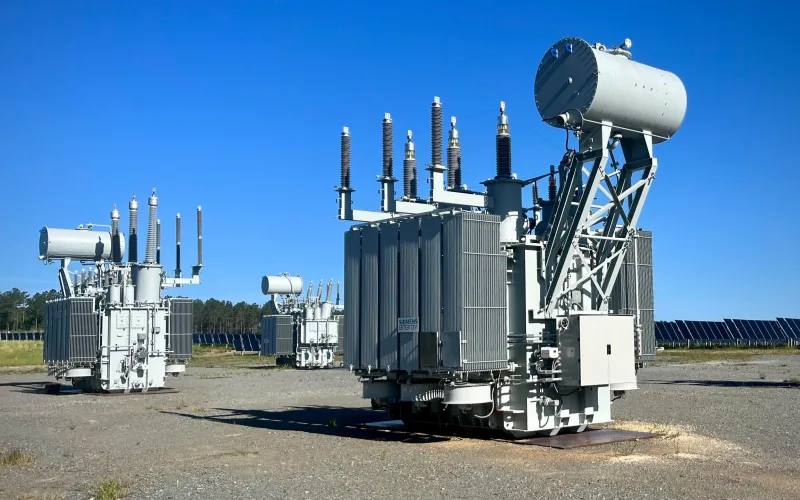
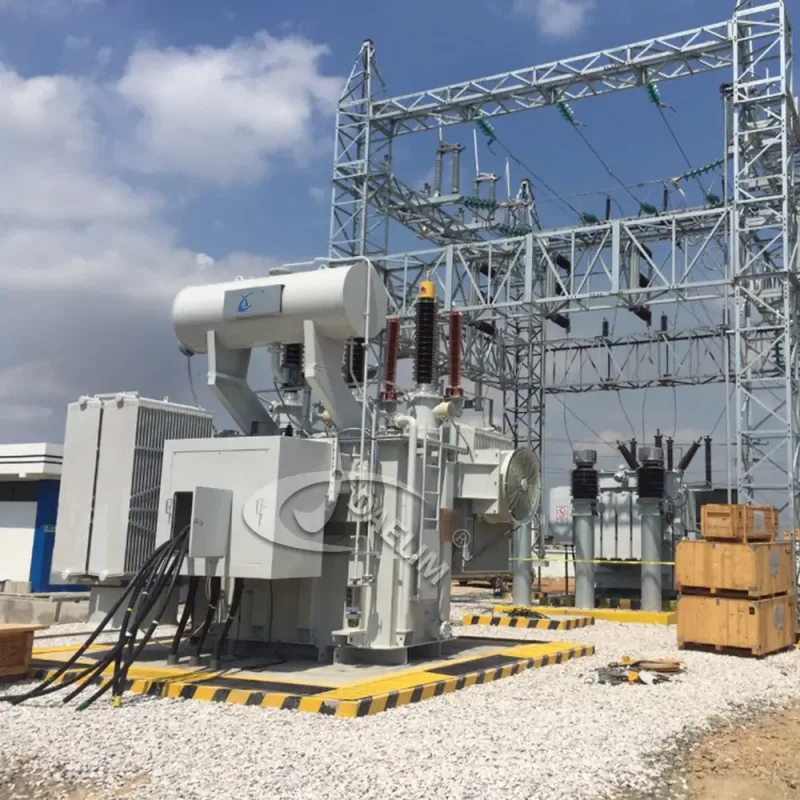
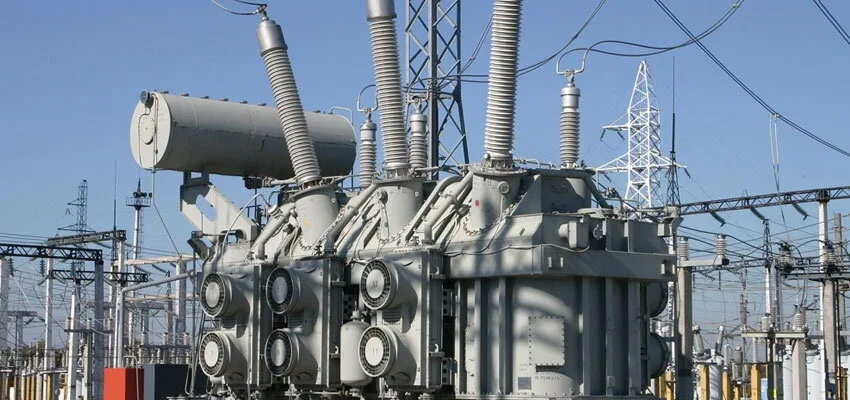
Hoogspanningshoofdstroomtransformatoren zijn kritische apparatuur in transmissiesystemen voor elektrische energie, ontworpen om grote elektrische belastingen aan te kunnen en spanningsniveaus om te zetten voor elektriciteitstransmissie over lange afstanden.
Deze transformatoren worden gewoonlijk geïnstalleerd in energiecentrales, elektrische onderstations, en nationale netwerkinfrastructuur, waardoor een efficiënte transmissie van elektriciteit tussen steden en regio's mogelijk wordt. Met robuust ontwerp en hoge isolatieprestaties, hoogspanningstransformatoren zorgen ervoor stabiele en betrouwbare stroomvoorziening voor moderne energienetwerken.
Hoe hoogspanningstransformatoren werken
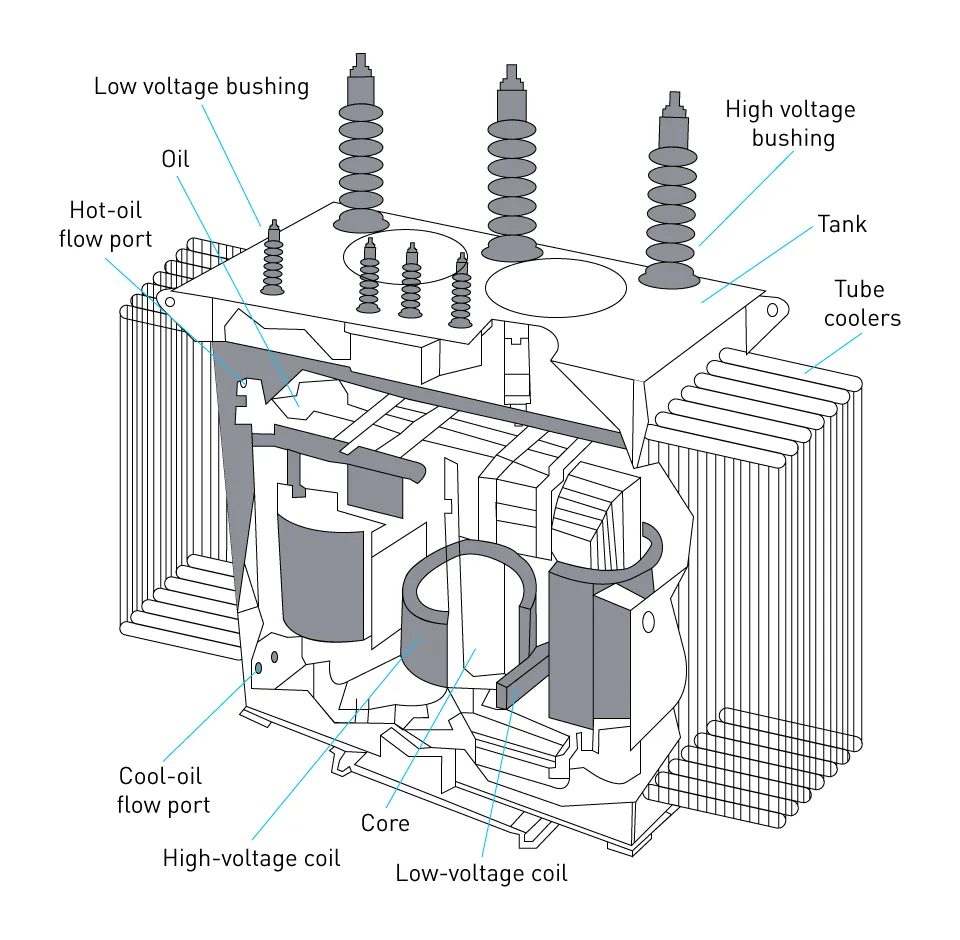
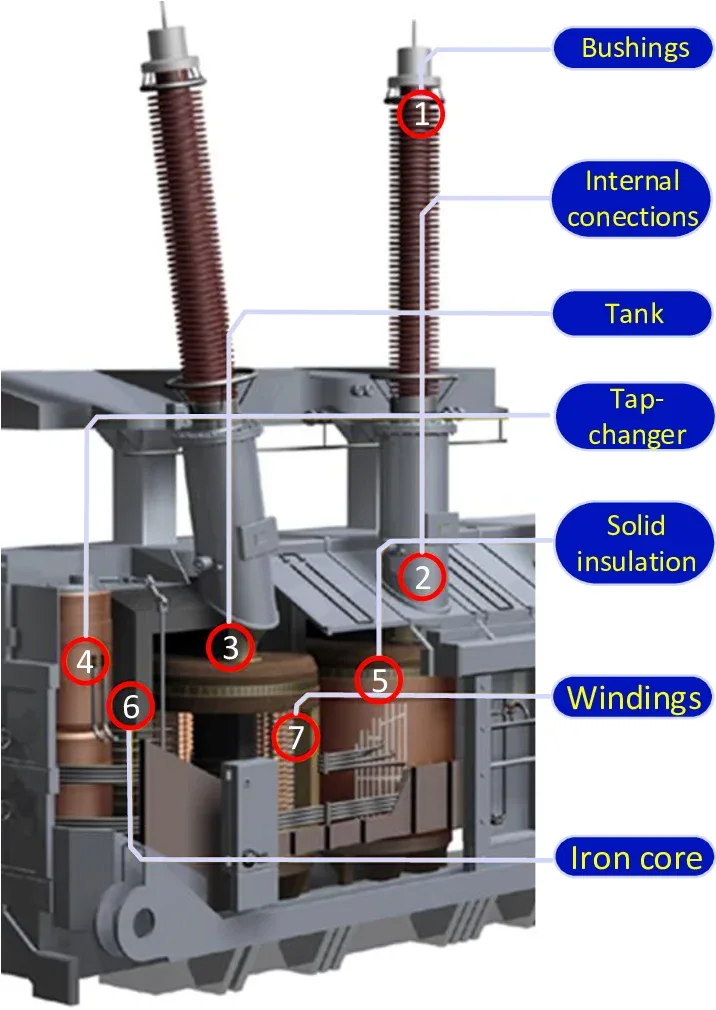
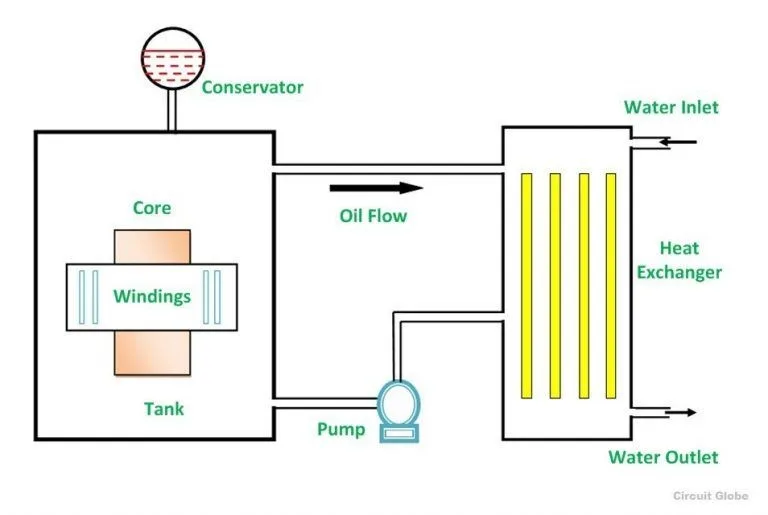
Hoogspanningstransformatoren dragen elektrische energie over tussen circuits, terwijl de spanningsniveaus worden verhoogd of verlaagd elektromagnetische inductie.
| Onderdeel | Functie |
|---|---|
| Kern | Geleidt magnetische flux voor efficiënte energieoverdracht |
| Hoogspanningswikkeling | Carries high-voltage electrical current and transfers electrical energy through electromagnetic induction |
| Laagspanningswikkeling | Carries low-voltage electrical current and transfers energy to or from the high-voltage winding |
| Isolatie | Electrically isolates the windings and other components to prevent short circuits and electrical breakdown |
| Transformator olie | Provides electrical insulation and removes heat generated during operation |
| Tank | Houses and protects the core, wikkelingen, en isolatieolie |
| Bus | Provides a safe insulated connection for conductors passing through the transformer tank |
| Tik op Wisselaar | Adjusts the winding turns ratio to regulate the output voltage |
| Koelsysteem | Dissipates heat from the transformer to maintain a safe operating temperature |
| Conservator Tank | Accommodates the expansion and contraction of transformer oil caused by temperature changes |
| Adempauze | Prevents moisture from entering the transformer while allowing air exchange as the oil expands and contracts |
| Radiator | Increases the surface area for heat dissipation and helps cool the transformer oil |
| Grounding System | Provides a safe path for fault current and helps protect equipment and personnel |
Deze transformatoren zijn ontworpen om onder te werken hoge elektrische spanning en zware belasting, zorgen voor een betrouwbare werking in elektriciteitsnetten.
Soorten hoogspanningstransformatoren
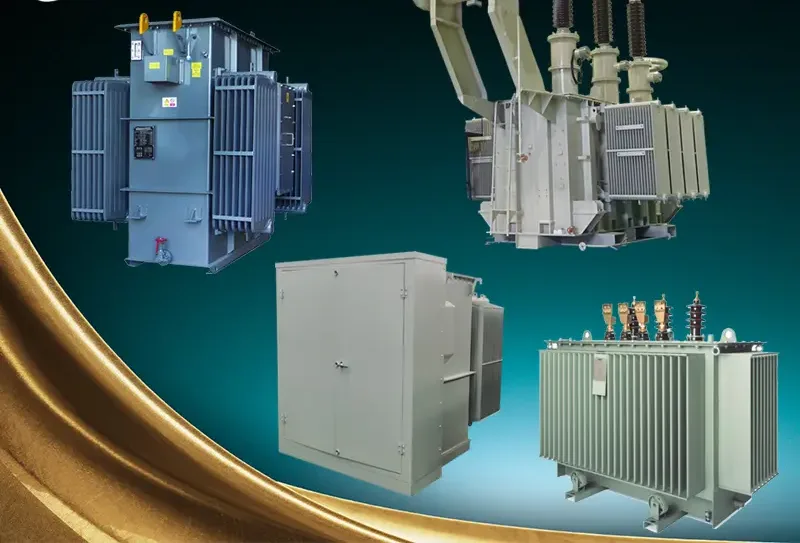
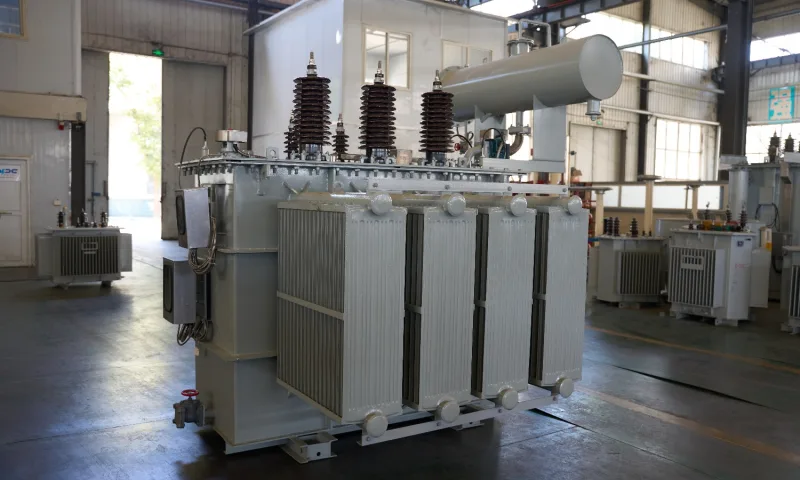
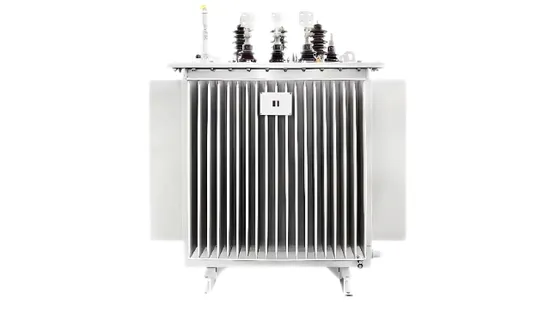
- Step-Up-stroomtransformator – Verhoogt de spanning voor transmissie over lange afstanden.
- Step-down-stroomtransformator – Verlaagt de spanning voor distributienetwerken.
- Driefasige stroomtransformator – Gebruikt in grootschalige energiesystemen.
- Transformator van netstation – Geïnstalleerd in transmissiestations.
Voordelen van hoogspanningstransformatoren
- Efficiënte krachtoverbrenging over lange afstanden
- Hoog draagvermogen voor elektriciteitsnetten
- Robuust isolatie- en koelontwerp
- Betrouwbare werking in nutsnetwerken
- Lange levensduur met stabiele prestaties
Bedrijfsprofiel
Luoyang Datang Energietechnologie Co., Ltd. is een hightech onderneming die R&D, productie, en levering van elektrische apparatuur en duurzame energieoplossingen. Gespecialiseerd in transformatoren, nieuwe energiecomponenten, verdeelkasten, en omvormers, we hebben ons portfolio uitgebreid metzonne-energiesystemen, energie opslag oplossingen, Enlucht-water warmtepompen. Met technologische innovatie als kern, we richten ons op het creëren van zeer betrouwbare en krachtige energie- en energie-efficiëntieoplossingen om wereldwijde klanten te bedienen. Via een strikt kwaliteitscontrolesysteem en internationale standaardcertificering, wij leveren voortdurend uitstekende producten die onze klanten in staat stellen veilig te bouwen, stabiel, en duurzame energiesystemen.
Als u op zoek bent naar een hoge kwaliteit, toonaangevende hoogspanningstransformator leverancier, wij nodigen u uit om contact met ons op te nemen of klik op gerelateerde producten om meer te vragen.
Payment Methods of High Voltage Main Power TransformerS
L/C, T/T, Western Unie, Paypal, Creditcard enz.
Shipment of High Voltage Main Power TransformerS
Zodra de betaling is ontvangen, over zee, door de lucht, of zo snel mogelijk per expresse.
FAQs of High Voltage Main Power Transformers
1. Wat is een hoogspanningstransformator?
A high voltage power transformer is a large electrical device designed to increase or decrease voltage levels in power generation, overdragen, and distribution systems. It operates based on the principle of elektromagnetische inductie, transferring electrical energy between circuits while maintaining the same frequency.
High voltage transformers are typically engineered for hoge efficiëntie, betrouwbare werking, en lange levensduur, making them essential components of modern electrical power networks.
2. Waar worden hoogspanningstransformatoren gebruikt??
High voltage power transformers are widely used in energiecentrales, elektrische onderstations, transmission networks, industriële faciliteiten, en de nationale elektriciteitsnetinfrastructuur.
They are commonly installed at different stages of the power system to:
- Step up voltage for long-distance power transmission
- Step down voltage at substations
- Connect different voltage levels within the power grid
- Supply electricity to large industrial loads
- Improve the efficiency and reliability of power transmission systems
3. Welke spanningsniveaus worden als hoogspanning beschouwd?
High voltage transformer applications can cover a wide range of voltage levels depending on the power system and regional standards.
Common transmission and sub-transmission voltage levels include 35kV, 66kV, 110kV, 132kV, 220kV, 330kV, 500kV, en hoger.
The appropriate voltage rating depends on factors such as transmission distance, vermogen, grid configuration, insulation requirements, and local electrical standards.
4. Waarom zijn hoogspanningstransformatoren belangrijk voor krachtoverbrenging??
High voltage transformers play a critical role in reducing energy losses during long-distance electricity transmission.
Door stepping up the voltage, the same amount of electrical power can be transmitted at a lower current. Lower current helps reduce losses in transmission conductors, improving overall transmission efficiency.
At the receiving end of the network, transformers can then step down the voltage to levels suitable for distribution, industriële apparatuur, or other electrical loads.
5. Wat is de typische levensduur van een stroomtransformator?
A properly designed, manufactured, geïnstalleerd, and maintained power transformer can typically operate for 30–40 jaar of meer.
The actual service life depends on several factors, inbegrepen:
- Operating temperature
- Electrical loading
- Insulation condition
- Transformer oil quality
- Moisture and contamination
- Short-circuit events
- Cooling system performance
- Regular inspection and maintenance
Proper monitoring and preventive maintenance can help extend the transformer’s operational life and improve reliability.
6. What are the main components of a high voltage power transformer?
A high voltage power transformer consists of several key components that work together to ensure safe and efficient operation.
The major components include:
- Kern – Provides a low-reluctance path for magnetic flux.
- Hoogspanningswikkeling – Handles the high-voltage side of the transformer.
- Laagspanningswikkeling – Handles the low-voltage side and transfers electrical energy through electromagnetic induction.
- Isolatiesysteem – Electrically isolates windings and other energized components.
- Transformator olie – Provides insulation and helps transfer heat away from the active parts.
- Tank – Protects the internal components and contains the insulating oil.
- Bussen – Provide insulated electrical connections between the internal windings and external circuits.
- Koelsysteem – Dissipates heat generated during transformer operation.
- Tik op Wisselaar – Adjusts the voltage ratio to help maintain the required output voltage.
7. What is the difference between a step-up and a step-down transformer?
The main difference is the relationship between the input and output voltage.
A step-up transformer increases the voltage from the primary side to the secondary side. It is commonly used at power generation facilities to increase voltage before electricity enters the transmission network.
A step-down transformator reduces voltage to a lower level. It is commonly used at substations and distribution systems to provide suitable voltage levels for industrial, commercieel, en residentiële toepassingen.
8. How does a high voltage transformer work?
A high voltage transformer works through elektromagnetische inductie.
When alternating current flows through the primary winding, it produces a changing magnetic field in the transformer core. This changing magnetic flux induces a voltage in the secondary winding.
The voltage ratio is primarily determined by the turns ratio between the primary and secondary windings.
This allows the transformer to transfer electrical energy between circuits while changing the voltage level according to the requirements of the power system.
9. How is a high voltage transformer cooled?
Tijdens bedrijf, transformers generate heat due to winding losses, core losses, and other electrical losses. Effective cooling is therefore essential for maintaining reliable operation.
Depending on the transformer design and capacity, cooling may involve:
- Natural oil circulation
- Natuurlijke luchtkoeling
- Forced oil circulation
- Geforceerde luchtkoeling
- Radiators
- Fans and pumps
Large power transformers often use a combination of oil circulation, radiatoren, ventilatoren, and pumps to efficiently remove heat.
10. What maintenance does a high voltage transformer require?
Regular maintenance is important for detecting potential problems before they lead to equipment failure.
Typical maintenance activities include:
- Checking transformer oil condition
- Inspecting bushings and terminals
- Monitoring oil and winding temperatures
- Checking for oil leakage
- Inspecting cooling equipment
- Testing insulation resistance
- Checking protection and monitoring devices
- Inspecting the tap changer
- Performing electrical diagnostic tests when required
The specific maintenance schedule should be determined according to the transformer’s design, operating conditions, manufacturer recommendations, and applicable standards.