


इलेक्ट्रॉनिक घटक आपूर्तिकर्ता | ट्रान्सफ़ॉर्मर, कुचालक, इन्वर्टर


Overview of High Voltage Main Power Transformers
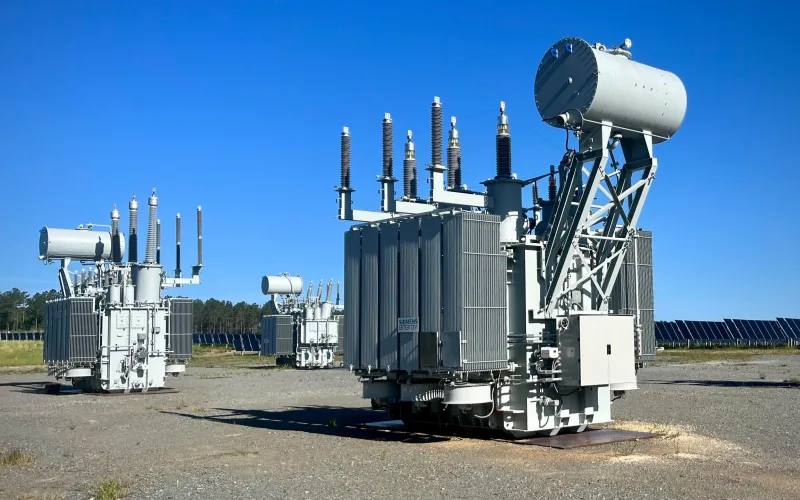
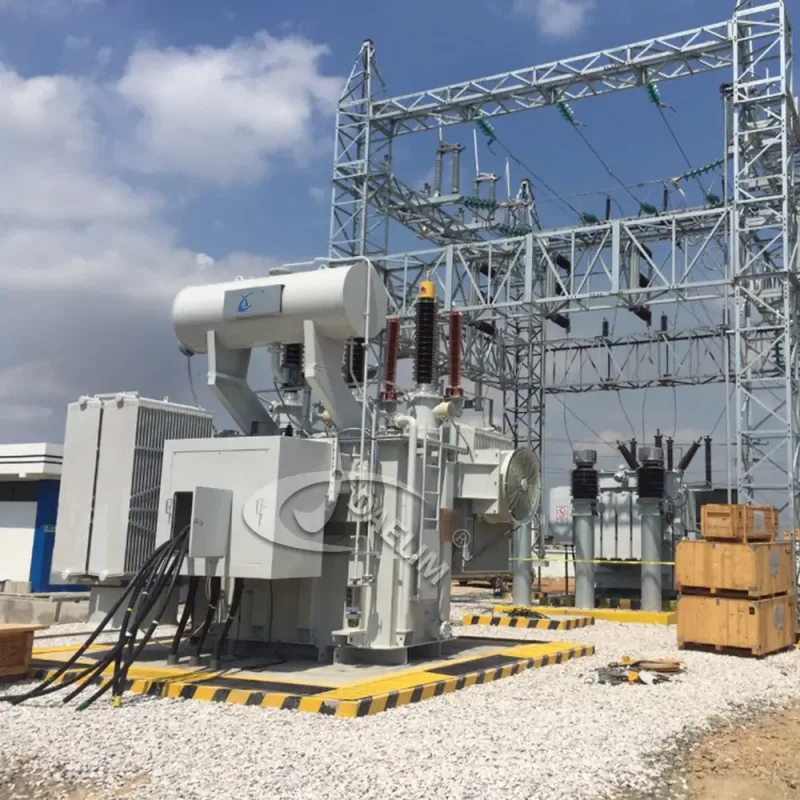
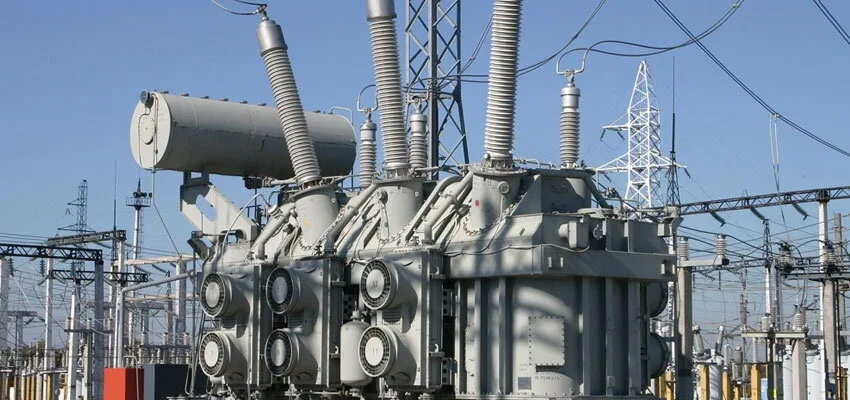
उच्च वोल्टेज मुख्य पावर ट्रांसफार्मर महत्वपूर्ण उपकरण हैं विद्युत ऊर्जा पारेषण प्रणाली, बड़े विद्युत भार को संभालने और लंबी दूरी के बिजली संचरण के लिए वोल्टेज स्तर को परिवर्तित करने के लिए डिज़ाइन किया गया है.
ये ट्रांसफार्मर आमतौर पर स्थापित किए जाते हैं बिजली संयंत्रों, विद्युत सबस्टेशन, और राष्ट्रीय ग्रिड अवसंरचना, शहरों और क्षेत्रों में बिजली के कुशल संचरण को सक्षम करना. मजबूत डिजाइन और उच्च इन्सुलेशन प्रदर्शन के साथ, उच्च वोल्टेज ट्रांसफार्मर सुनिश्चित करते हैं स्थिर और विश्वसनीय बिजली आपूर्ति आधुनिक ऊर्जा नेटवर्क के लिए.
हाई वोल्टेज पावर ट्रांसफार्मर कैसे काम करते हैं
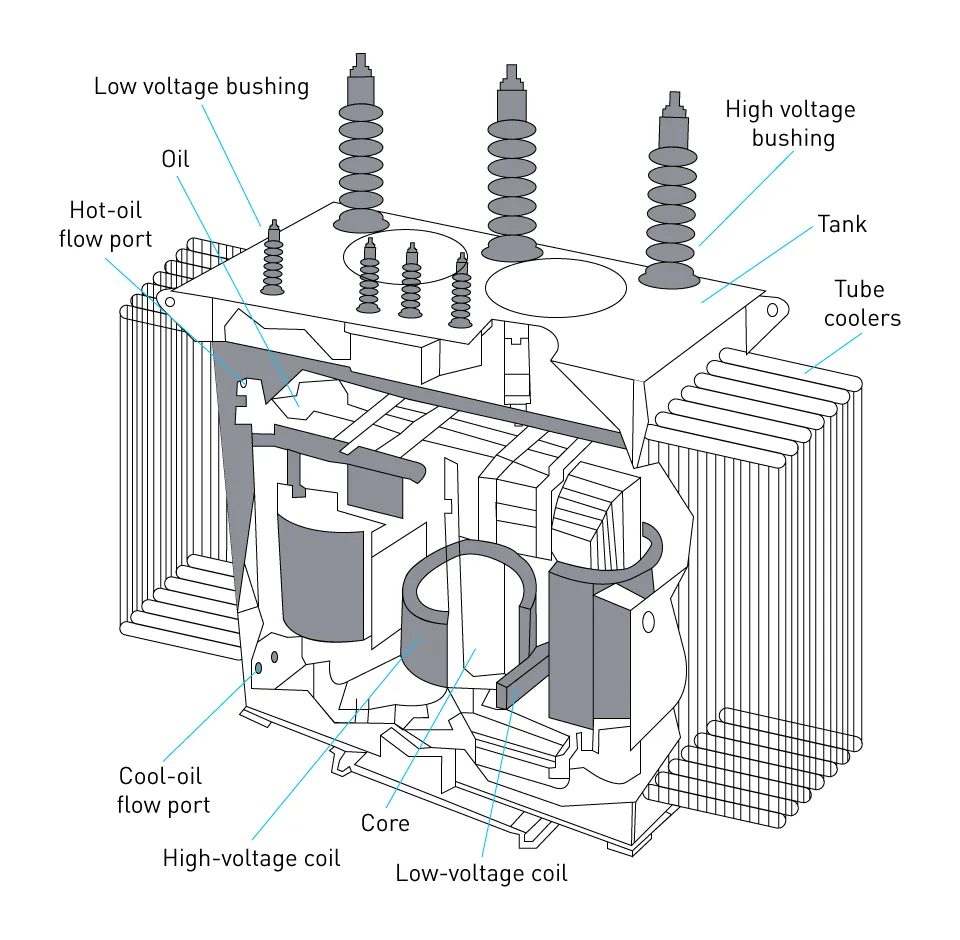
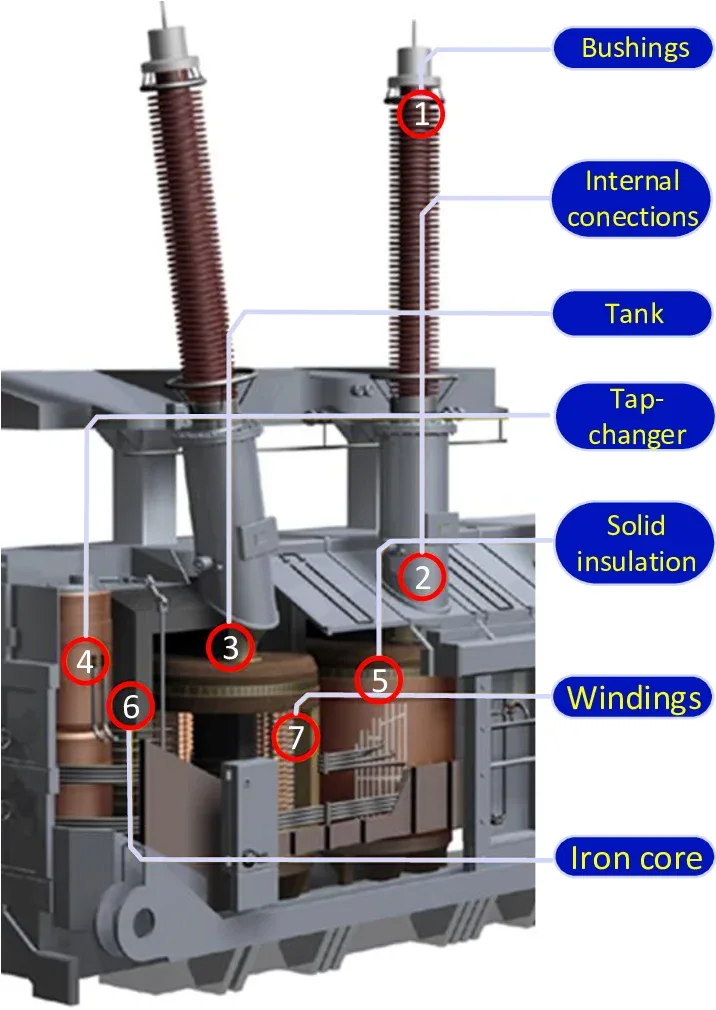
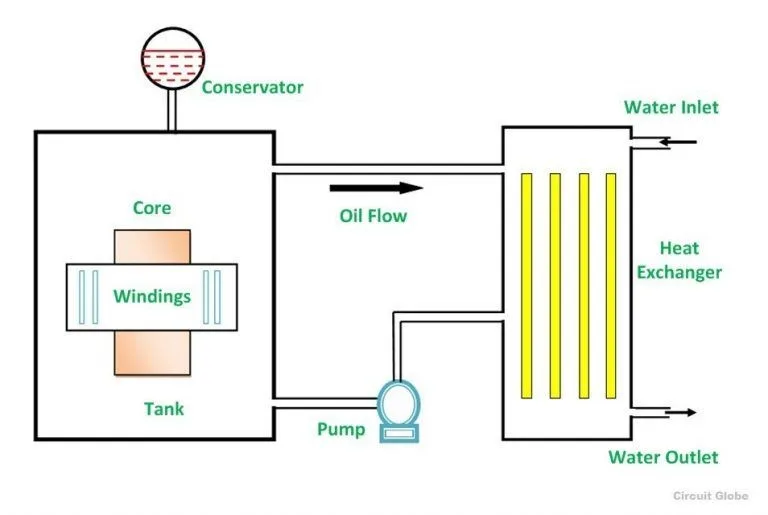
उच्च वोल्टेज ट्रांसफार्मर वोल्टेज स्तर को बढ़ाते या घटाते समय सर्किट के बीच विद्युत ऊर्जा स्थानांतरित करते हैं इलेक्ट्रोमैग्नेटिक इंडक्शन.
| अवयव | समारोह |
|---|---|
| मुख्य | कुशल ऊर्जा हस्तांतरण के लिए चुंबकीय प्रवाह का संचालन करता है |
| उच्च वोल्टेज वाइंडिंग | Carries high-voltage electrical current and transfers electrical energy through electromagnetic induction |
| कम वोल्टेज वाइंडिंग | Carries low-voltage electrical current and transfers energy to or from the high-voltage winding |
| इन्सुलेशन | Electrically isolates the windings and other components to prevent short circuits and electrical breakdown |
| ट्रांसफार्मर का तेल | Provides electrical insulation and removes heat generated during operation |
| टैंक | Houses and protects the core, घुमावदार, और इन्सुलेट तेल |
| Bushing | Provides a safe insulated connection for conductors passing through the transformer tank |
| परिवर्तक टैप करें | Adjusts the winding turns ratio to regulate the output voltage |
| शीतलन प्रणाली | Dissipates heat from the transformer to maintain a safe operating temperature |
| Conservator Tank | Accommodates the expansion and contraction of transformer oil caused by temperature changes |
| मोहलत | Prevents moisture from entering the transformer while allowing air exchange as the oil expands and contracts |
| रेडियेटर | Increases the surface area for heat dissipation and helps cool the transformer oil |
| Grounding System | Provides a safe path for fault current and helps protect equipment and personnel |
इन ट्रांसफार्मरों को संचालित करने के लिए डिज़ाइन किया गया है उच्च विद्युत तनाव और भारी भार की स्थिति, पावर ग्रिडों में विश्वसनीय संचालन सुनिश्चित करना.
उच्च वोल्टेज पावर ट्रांसफार्मर के प्रकार
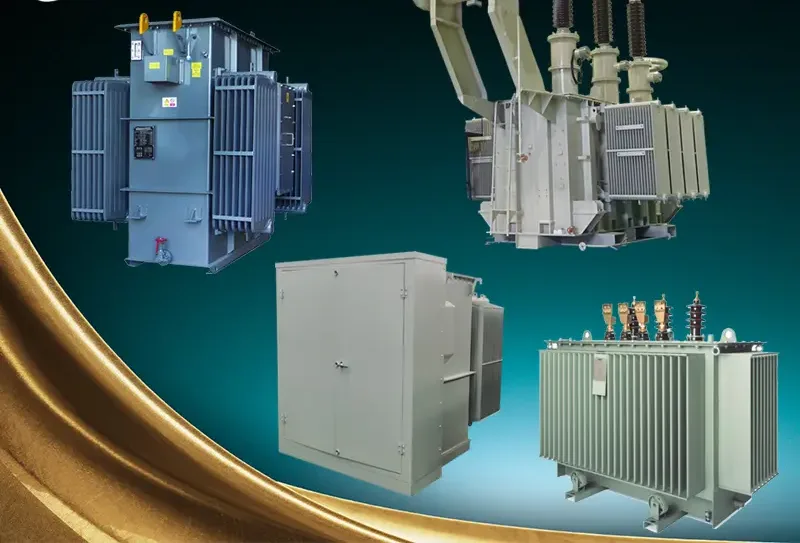
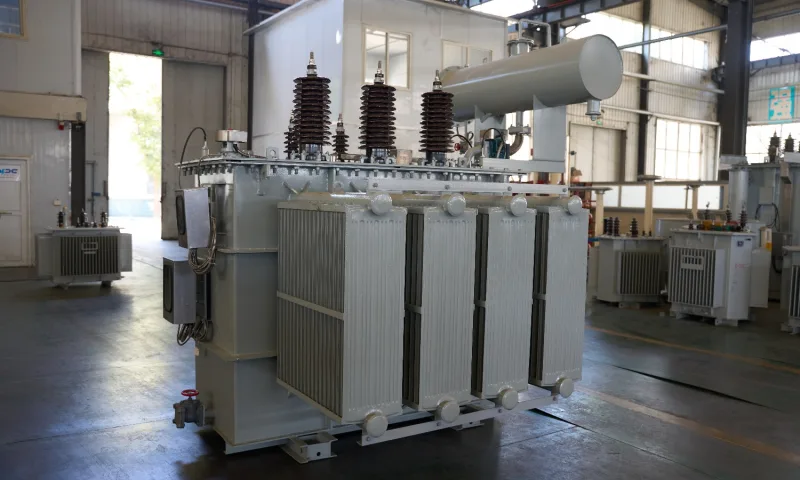
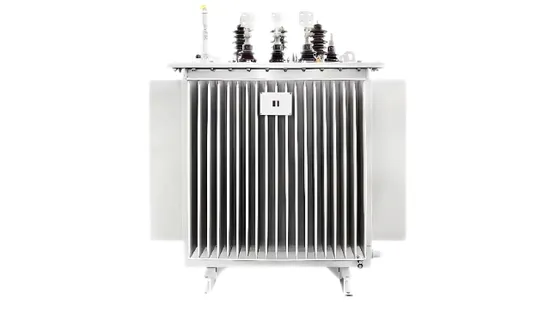
- स्टेप-अप पावर ट्रांसफार्मर - लंबी दूरी के ट्रांसमिशन के लिए वोल्टेज बढ़ाता है.
- स्टेप-डाउन पावर ट्रांसफार्मर - वितरण नेटवर्क के लिए वोल्टेज कम करता है.
- तीन-चरण विद्युत ट्रांसफार्मर - बड़े पैमाने पर बिजली प्रणालियों में उपयोग किया जाता है.
- ग्रिड सबस्टेशन ट्रांसफार्मर - ट्रांसमिशन सबस्टेशनों में स्थापित.
हाई वोल्टेज पावर ट्रांसफार्मर के लाभ
- कुशल लंबी दूरी की विद्युत पारेषण
- पावर ग्रिड के लिए उच्च भार क्षमता
- मजबूत इन्सुलेशन और कूलिंग डिज़ाइन
- उपयोगिता नेटवर्क में विश्वसनीय संचालन
- स्थिर प्रदर्शन के साथ लंबी सेवा जीवन
कंपनी प्रोफाइल
लुओयांग डेटांग एनर्जी टेक्नोलॉजी कंपनी, लिमिटेड. आर को एकीकृत करने वाला एक उच्च तकनीक उद्यम है&डी, उत्पादन, और बिजली उपकरण और नवीकरणीय ऊर्जा समाधानों की आपूर्ति. ट्रांसफार्मर में विशेषज्ञता, नये ऊर्जा घटक, वितरण अलमारियाँ, और इनवर्टर, हमने शामिल करने के लिए अपने पोर्टफोलियो का विस्तार किया हैसौर ऊर्जा प्रणाली, ऊर्जा भंडारण समाधान, औरवायु स्रोत ताप पंप. हमारे मूल के रूप में तकनीकी नवाचार के साथ, हम वैश्विक ग्राहकों की सेवा के लिए उच्च-विश्वसनीयता और उच्च-प्रदर्शन शक्ति और ऊर्जा दक्षता समाधान बनाने पर ध्यान केंद्रित करते हैं. एक सख्त गुणवत्ता नियंत्रण प्रणाली और अंतरराष्ट्रीय मानक प्रमाणीकरण के माध्यम से, हम लगातार उत्कृष्ट उत्पाद प्रदान करते हैं जो हमारे ग्राहकों को सुरक्षित निर्माण करने के लिए सशक्त बनाते हैं, स्थिर, और टिकाऊ बिजली प्रणालियाँ.
यदि आप उच्च गुणवत्ता की तलाश में हैं, उच्च वोल्टेज अग्रणी पावर ट्रांसफार्मर देने वाला, हम आपको हमसे संपर्क करने या पूछताछ के लिए संबंधित उत्पादों पर क्लिक करने के लिए आमंत्रित करते हैं.
Payment Methods of High Voltage Main Power Transformerएस
एल/सी, टी/टी, वेस्टर्न यूनियन, Paypal, क्रेडिट कार्ड इत्यादि.
Shipment of High Voltage Main Power Transformerएस
एक बार भुगतान प्राप्त हो गया, समुद्र से, हवाईजहाज से, या यथाशीघ्र एक्सप्रेस द्वारा.
FAQs of High Voltage Main Power Transformers
1. हाई वोल्टेज पावर ट्रांसफार्मर क्या है??
A high voltage power transformer is a large electrical device designed to increase or decrease voltage levels in power generation, संचरण, and distribution systems. It operates based on the principle of इलेक्ट्रोमैग्नेटिक इंडक्शन, transferring electrical energy between circuits while maintaining the same frequency.
High voltage transformers are typically engineered for उच्च दक्षता, विश्वसनीय संचालन, और लंबी सेवा जीवन, making them essential components of modern electrical power networks.
2. उच्च वोल्टेज ट्रांसफार्मर का उपयोग कहाँ किया जाता है??
High voltage power transformers are widely used in बिजली संयंत्रों, विद्युत सबस्टेशन, ट्रांसमिशन नेटवर्क, औद्योगिक सुविधाएं, और राष्ट्रीय पावर ग्रिड अवसंरचना.
They are commonly installed at different stages of the power system to:
- Step up voltage for long-distance power transmission
- Step down voltage at substations
- Connect different voltage levels within the power grid
- Supply electricity to large industrial loads
- Improve the efficiency and reliability of power transmission systems
3. किस वोल्टेज स्तर को उच्च वोल्टेज माना जाता है??
High voltage transformer applications can cover a wide range of voltage levels depending on the power system and regional standards.
Common transmission and sub-transmission voltage levels include 35के.वी, 66के.वी, 110के.वी, 132के.वी, 220के.वी, 330के.वी, 500के.वी, और उच्चा.
The appropriate voltage rating depends on factors such as transmission distance, बिजली क्षमता, grid configuration, insulation requirements, and local electrical standards.
4. विद्युत पारेषण के लिए उच्च वोल्टेज ट्रांसफार्मर क्यों महत्वपूर्ण हैं??
High voltage transformers play a critical role in reducing energy losses during long-distance electricity transmission.
द्वारा stepping up the voltage, the same amount of electrical power can be transmitted at a lower current. Lower current helps reduce losses in transmission conductors, improving overall transmission efficiency.
At the receiving end of the network, transformers can then step down the voltage to levels suitable for distribution, औद्योगिक उपकरण, or other electrical loads.
5. एक विद्युत ट्रांसफार्मर का सामान्य जीवनकाल कितना होता है??
A properly designed, manufactured, इंस्टॉल किया, and maintained power transformer can typically operate for 30-40 वर्ष या उससे अधिक.
The actual service life depends on several factors, शामिल:
- Operating temperature
- Electrical loading
- Insulation condition
- Transformer oil quality
- Moisture and contamination
- Short-circuit events
- Cooling system performance
- Regular inspection and maintenance
Proper monitoring and preventive maintenance can help extend the transformer’s operational life and improve reliability.
6. What are the main components of a high voltage power transformer?
A high voltage power transformer consists of several key components that work together to ensure safe and efficient operation.
The major components include:
- मुख्य – Provides a low-reluctance path for magnetic flux.
- उच्च वोल्टेज वाइंडिंग – Handles the high-voltage side of the transformer.
- कम वोल्टेज वाइंडिंग – Handles the low-voltage side and transfers electrical energy through electromagnetic induction.
- इन्सुलेशन प्रणाली – Electrically isolates windings and other energized components.
- ट्रांसफार्मर का तेल – Provides insulation and helps transfer heat away from the active parts.
- टैंक – Protects the internal components and contains the insulating oil.
- बुशिंग्स – Provide insulated electrical connections between the internal windings and external circuits.
- शीतलन प्रणाली – Dissipates heat generated during transformer operation.
- परिवर्तक टैप करें – Adjusts the voltage ratio to help maintain the required output voltage.
7. What is the difference between a step-up and a step-down transformer?
The main difference is the relationship between the input and output voltage.
ए स्टेप-अप ट्रांसफार्मर increases the voltage from the primary side to the secondary side. It is commonly used at power generation facilities to increase voltage before electricity enters the transmission network.
ए ट्रांसफार्मर नीचे कदम reduces voltage to a lower level. It is commonly used at substations and distribution systems to provide suitable voltage levels for industrial, व्यावसायिक, और आवासीय अनुप्रयोग.
8. How does a high voltage transformer work?
A high voltage transformer works through इलेक्ट्रोमैग्नेटिक इंडक्शन.
When alternating current flows through the primary winding, it produces a changing magnetic field in the transformer core. This changing magnetic flux induces a voltage in the secondary winding.
The voltage ratio is primarily determined by the turns ratio between the primary and secondary windings.
This allows the transformer to transfer electrical energy between circuits while changing the voltage level according to the requirements of the power system.
9. How is a high voltage transformer cooled?
ऑपरेशन के दौरान, transformers generate heat due to winding losses, core losses, and other electrical losses. Effective cooling is therefore essential for maintaining reliable operation.
Depending on the transformer design and capacity, cooling may involve:
- Natural oil circulation
- प्राकृतिक वायु शीतलता
- Forced oil circulation
- ज़बरदस्ती हवा को ठंडा करना
- Radiators
- Fans and pumps
Large power transformers often use a combination of oil circulation, RADIATORS, प्रशंसक, and pumps to efficiently remove heat.
10. What maintenance does a high voltage transformer require?
Regular maintenance is important for detecting potential problems before they lead to equipment failure.
Typical maintenance activities include:
- Checking transformer oil condition
- Inspecting bushings and terminals
- Monitoring oil and winding temperatures
- Checking for oil leakage
- Inspecting cooling equipment
- Testing insulation resistance
- Checking protection and monitoring devices
- Inspecting the tap changer
- Performing electrical diagnostic tests when required
The specific maintenance schedule should be determined according to the transformer’s design, परिचालन की स्थिति, manufacturer recommendations, and applicable standards.