


Soláthraí Comhpháirteanna Leictreonacha | Claochladáin, Ionduchtóirí, Inverters


Overview of High Voltage Main Power Transformers
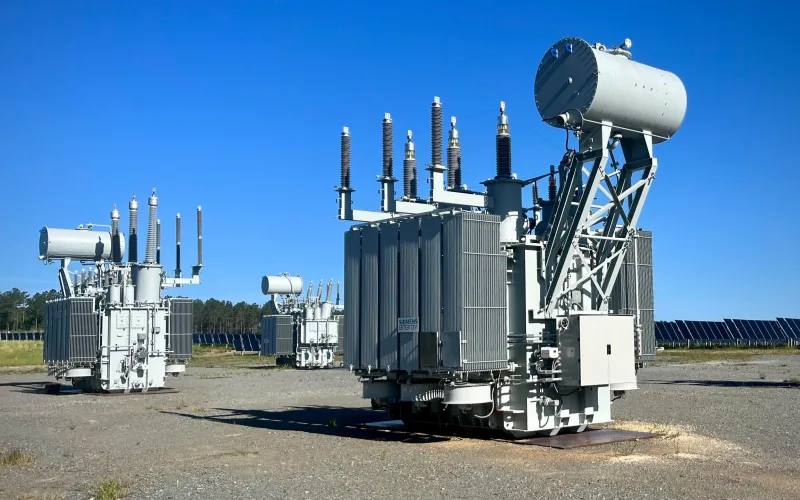
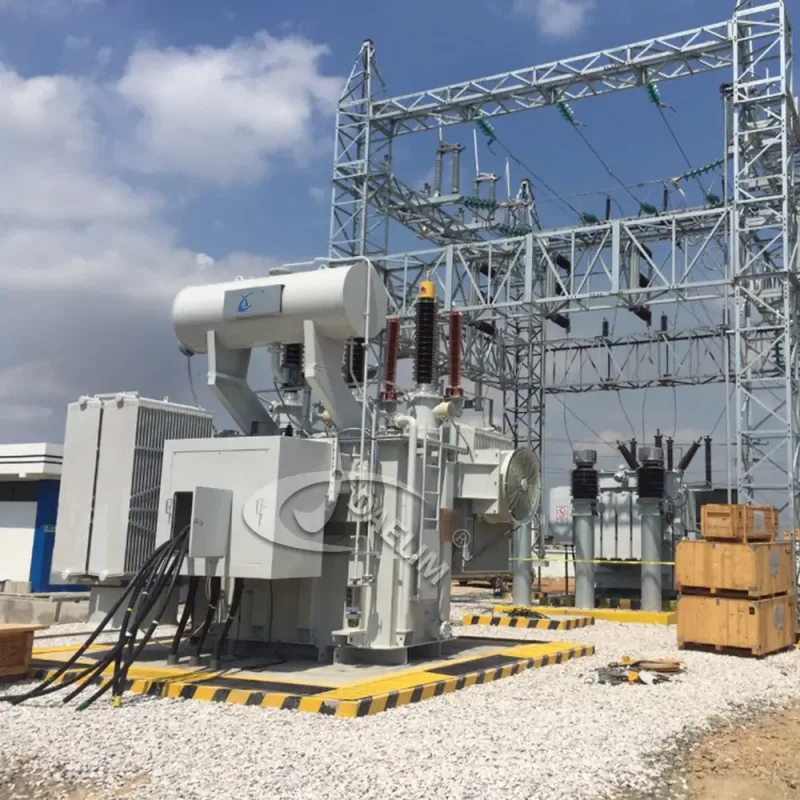
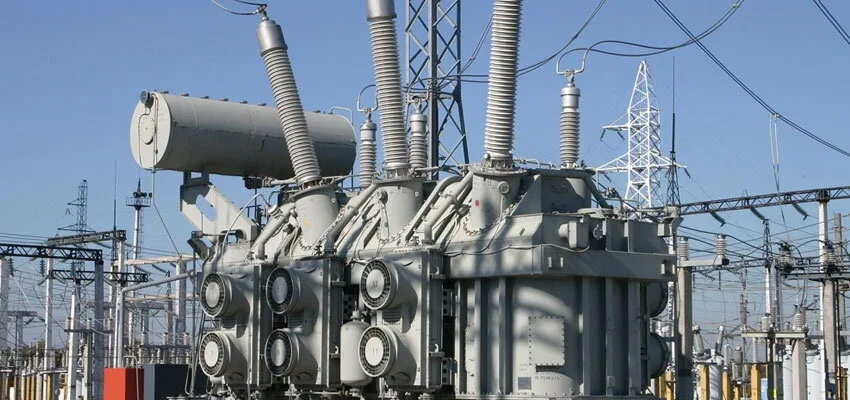
Is trealamh ríthábhachtach iad príomhchlaochladáin chumhachta ardvoltais córais tarchurtha cumhachta leictreacha, deartha chun ualaí móra leictreacha a láimhseáil agus leibhéil voltais a thiontú le haghaidh tarchur leictreachais fad-achair.
Tá na claochladáin seo suiteáilte go coitianta i stáisiúin chumhachta, fostáisiúin leictreacha, agus bonneagar na heangaí náisiúnta, tarchur éifeachtach leictreachais a chumasú thar chathracha agus réigiúin. Le dearadh láidir agus feidhmíocht inslithe ard, cinntíonn claochladáin ardvoltais soláthar cumhachta cobhsaí agus iontaofa do líonraí fuinnimh nua-aimseartha.
Conas a Oibríonn Trasfhoirmeoirí Cumhachta Ardvoltais
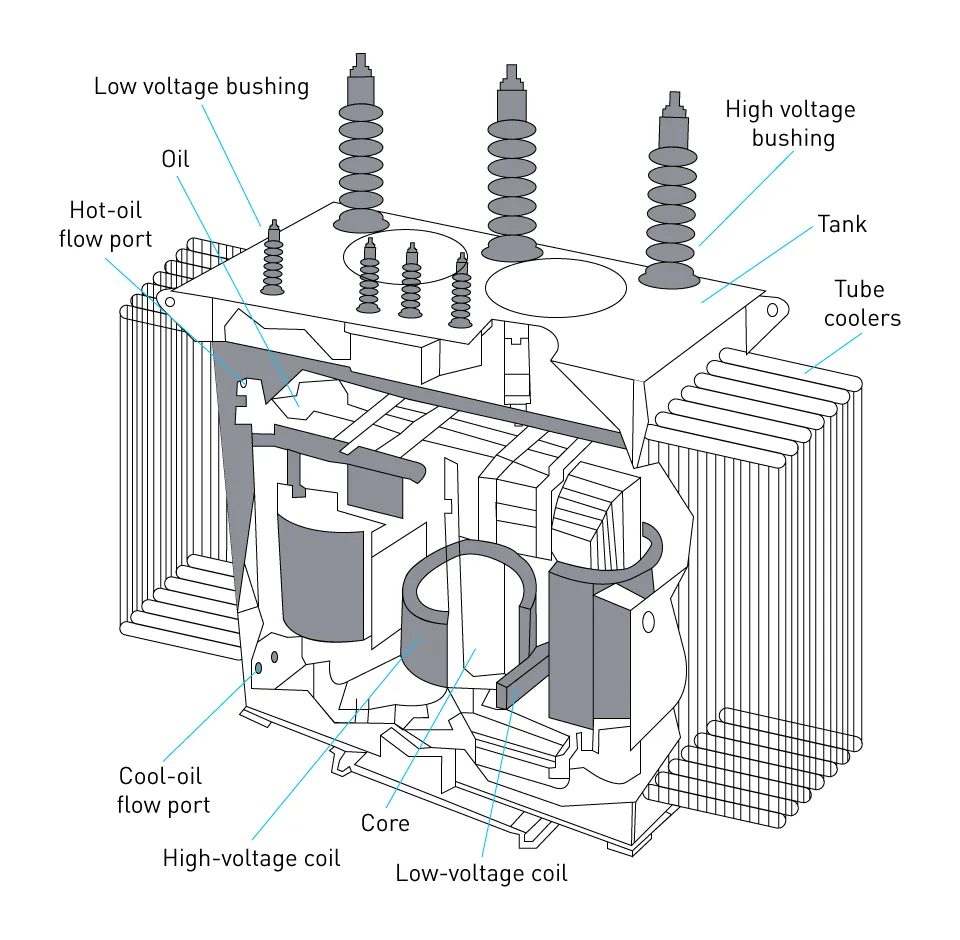
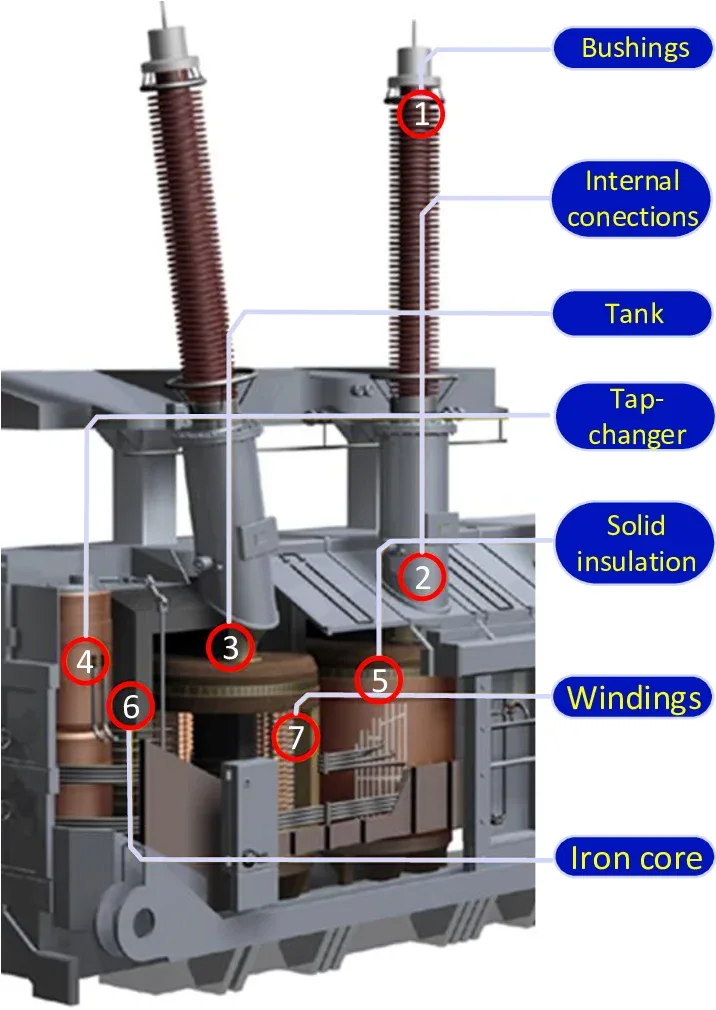
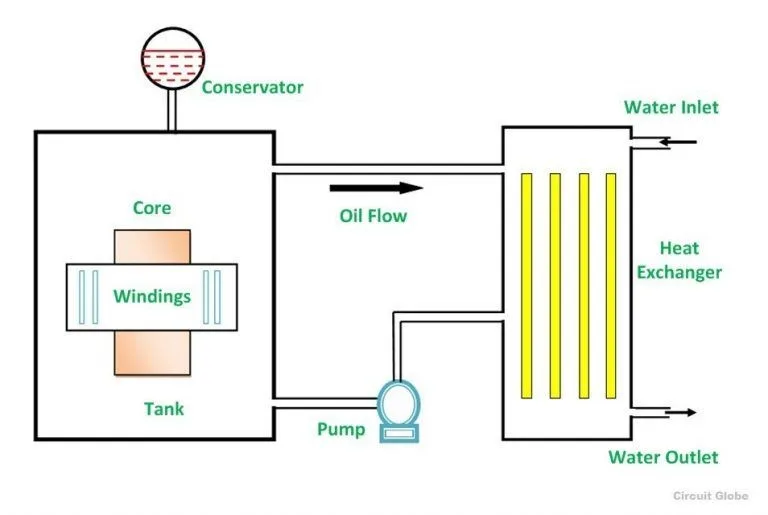
Aistríonn claochladáin ardvoltais fuinneamh leictreach idir ciorcaid agus iad ag méadú nó ag laghdú leibhéil voltais tríd ionduchtú leictreamaighnéadach.
| Comhpháirt | Feidhm |
|---|---|
| Croílár | Seoltar flosc maighnéadach chun fuinneamh a aistriú go héifeachtúil |
| Foirceannadh Ardvoltais | Carries high-voltage electrical current and transfers electrical energy through electromagnetic induction |
| Foirceannadh Ísealvoltais | Carries low-voltage electrical current and transfers energy to or from the high-voltage winding |
| Insliú | Electrically isolates the windings and other components to prevent short circuits and electrical breakdown |
| Ola Trasfhoirmeoir | Provides electrical insulation and removes heat generated during operation |
| Umar | Houses and protects the core, foirceannadh, and insulating oil |
| Bushing | Provides a safe insulated connection for conductors passing through the transformer tank |
| Tap Changer | Adjusts the winding turns ratio to regulate the output voltage |
| Córas Fuarú | Dissipates heat from the transformer to maintain a safe operating temperature |
| Conservator Tank | Accommodates the expansion and contraction of transformer oil caused by temperature changes |
| Breather | Prevents moisture from entering the transformer while allowing air exchange as the oil expands and contracts |
| Radaitheoir | Increases the surface area for heat dissipation and helps cool the transformer oil |
| Grounding System | Provides a safe path for fault current and helps protect equipment and personnel |
Tá na claochladáin seo deartha chun oibriú faoi strus ard leictreach agus coinníollacha ualaigh trom, oibriú iontaofa sna greillí cumhachta a chinntiú.
Cineálacha Trasfhoirmeoirí Cumhachta Ardvoltais
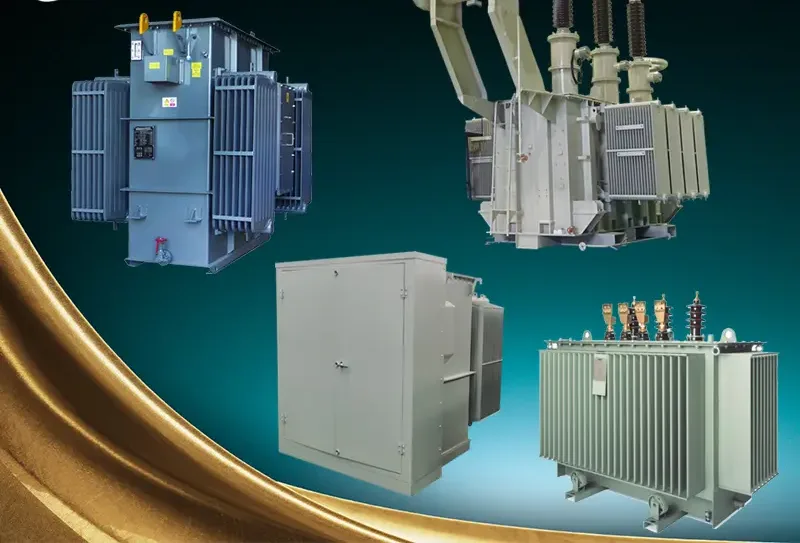
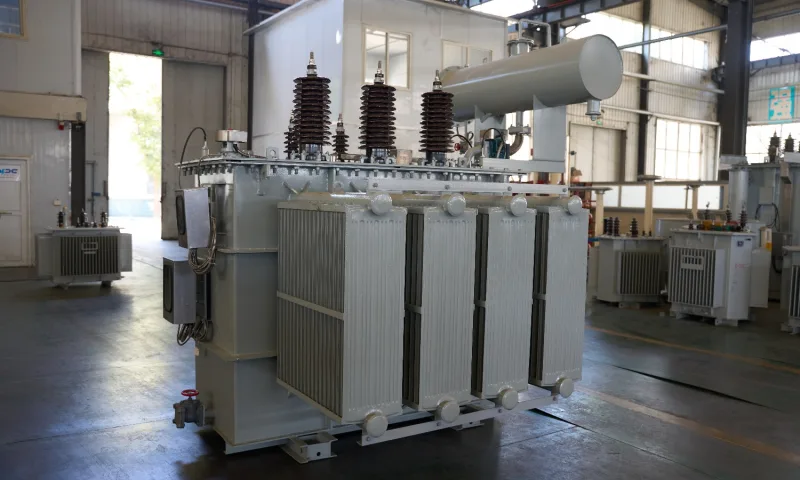
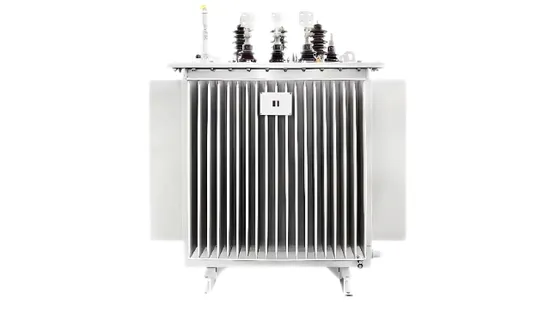
- Trasfhoirmeoir Cumhachta Céim-Suas – Méadaíonn sé an voltas do tharchur fad-achair.
- Céim-Síos Trasfhoirmeoir Cumhachta – Laghdaíonn sé an voltas do líonraí dáileacháin.
- Trasfhoirmeoir Cumhachta Trí Chéim – Úsáidtear é i gcórais chumhachta ar scála mór.
- Trasfhoirmeoir Fostáisiúin Eangaí – Suiteáilte i bhfostáisiúin tarchurtha.
Buntáistí Trasfhoirmeoirí Cumhachta Ardvoltais
- Tarchur Cumhachta Fad-achair Éifeachtach
- Cumas Luchtaithe Ard do Ghreillí Cumhachta
- Insliú Láidir agus Dearadh Fuarú
- Oibriú Iontaofa i Líonraí Fóntas
- Saol Seirbhíse Fada le Feidhmíocht Chobhsaí
Próifíl na Cuideachta
Luoyang Datang Energy Technology Co., Teo. Is fiontar ardteicneolaíochta é R&D, déantúsaíocht, agus soláthar trealaimh chumhachta agus réitigh fuinnimh in-athnuaite. Speisialtóireacht i claochladáin, comhpháirteanna fuinnimh nua, caibinéid dáileacháin, agus inverters, tá ár bpunann leathnaithe againn le cur san áireamhcórais chumhachta gréine, stóráil fuinnimh réitigh, aguscaidéil teasa foinse aeir. Le nuálaíocht teicneolaíochta mar ár gcroílár, dírímid ar réitigh chumhachta agus éifeachtúlachta fuinnimh ard-iontaofachta agus ardfheidhmíochta a chruthú chun freastal ar chustaiméirí domhanda. Trí chóras rialaithe cáilíochta dian agus deimhniú caighdeánach idirnáisiúnta, Déanaimid táirgí den scoth a sheachadadh go leanúnach a chumasaíonn ár gcustaiméirí sábháilte a thógáil, cobhsaí, agus córais chumhachta inbhuanaithe.
Má tá tú ag lorg ard-chaighdeán, claochladán cumhachta tosaigh ardvoltais soláthraí, tugaimid cuireadh duit teagmháil a dhéanamh linn nó cliceáil ar tháirgí gaolmhara chun fiosrúchán a dhéanamh.
Payment Methods of High Voltage Main Power Transformers
L/C, T/T, Aontas Iarthar, Paypal, Cárta Creidmheasa etc.
Shipment of High Voltage Main Power Transformers
Nuair a fhaightear an íocaíocht, cois farraige, ag aer, nó trí express a luaithe is féidir.
FAQs of High Voltage Main Power Transformers
1. Cad is claochladán cumhachta ardvoltais ann?
A high voltage power transformer is a large electrical device designed to increase or decrease voltage levels in power generation, tras-seoladh, and distribution systems. It operates based on the principle of ionduchtú leictreamaighnéadach, transferring electrical energy between circuits while maintaining the same frequency.
High voltage transformers are typically engineered for éifeachtacht ard, oibriú iontaofa, agus saol seirbhíse fada, making them essential components of modern electrical power networks.
2. Cá n-úsáidtear claochladáin ardvoltais?
High voltage power transformers are widely used in stáisiúin chumhachta, fostáisiúin leictreacha, transmission networks, áiseanna tionsclaíochta, agus bonneagar eangaí cumhachta náisiúnta.
They are commonly installed at different stages of the power system to:
- Step up voltage for long-distance power transmission
- Step down voltage at substations
- Connect different voltage levels within the power grid
- Supply electricity to large industrial loads
- Improve the efficiency and reliability of power transmission systems
3. Cad iad na leibhéil voltais a mheastar a bheith ardvoltais?
High voltage transformer applications can cover a wide range of voltage levels depending on the power system and regional standards.
Common transmission and sub-transmission voltage levels include 35kV, 66kV, 110kV, 132kV, 220kV, 330kV, 500kV, agus níos airde.
The appropriate voltage rating depends on factors such as transmission distance, power capacity, grid configuration, insulation requirements, and local electrical standards.
4. Cén fáth a bhfuil claochladáin ardvoltais tábhachtach le haghaidh tarchur cumhachta?
High voltage transformers play a critical role in reducing energy losses during long-distance electricity transmission.
Le stepping up the voltage, the same amount of electrical power can be transmitted at a lower current. Lower current helps reduce losses in transmission conductors, improving overall transmission efficiency.
At the receiving end of the network, transformers can then step down the voltage to levels suitable for distribution, industrial equipment, or other electrical loads.
5. Cad é saolré tipiciúil claochladán cumhachta?
A properly designed, manufactured, installed, and maintained power transformer can typically operate for 30–40 bliain nó níos mó.
The actual service life depends on several factors, lena n-áirítear:
- Operating temperature
- Electrical loading
- Insulation condition
- Transformer oil quality
- Moisture and contamination
- Short-circuit events
- Cooling system performance
- Cigireacht agus cothabháil rialta
Proper monitoring and preventive maintenance can help extend the transformer’s operational life and improve reliability.
6. What are the main components of a high voltage power transformer?
A high voltage power transformer consists of several key components that work together to ensure safe and efficient operation.
The major components include:
- Croílár – Provides a low-reluctance path for magnetic flux.
- Foirceannadh Ardvoltais – Handles the high-voltage side of the transformer.
- Foirceannadh Ísealvoltais – Handles the low-voltage side and transfers electrical energy through electromagnetic induction.
- Córas Inslithe – Electrically isolates windings and other energized components.
- Ola Trasfhoirmeoir – Provides insulation and helps transfer heat away from the active parts.
- Umar – Protects the internal components and contains the insulating oil.
- Bushings – Provide insulated electrical connections between the internal windings and external circuits.
- Córas Fuarú – Dissipates heat generated during transformer operation.
- Tap Changer – Adjusts the voltage ratio to help maintain the required output voltage.
7. What is the difference between a step-up and a step-down transformer?
The main difference is the relationship between the input and output voltage.
A step-up transformer increases the voltage from the primary side to the secondary side. It is commonly used at power generation facilities to increase voltage before electricity enters the transmission network.
A claochladán céim síos reduces voltage to a lower level. It is commonly used at substations and distribution systems to provide suitable voltage levels for industrial, tráchtála, agus iarratais chónaithe.
8. How does a high voltage transformer work?
A high voltage transformer works through ionduchtú leictreamaighnéadach.
When alternating current flows through the primary winding, it produces a changing magnetic field in the transformer core. This changing magnetic flux induces a voltage in the secondary winding.
The voltage ratio is primarily determined by the turns ratio between the primary and secondary windings.
This allows the transformer to transfer electrical energy between circuits while changing the voltage level according to the requirements of the power system.
9. How is a high voltage transformer cooled?
Le linn oibriú, transformers generate heat due to winding losses, core losses, and other electrical losses. Effective cooling is therefore essential for maintaining reliable operation.
Depending on the transformer design and capacity, cooling may involve:
- Natural oil circulation
- Fuarú aer nádúrtha
- Forced oil circulation
- Fuarú aer éigean
- Radiators
- Fans and pumps
Large power transformers often use a combination of oil circulation, radaitheoirí, lucht leanúna, and pumps to efficiently remove heat.
10. What maintenance does a high voltage transformer require?
Regular maintenance is important for detecting potential problems before they lead to equipment failure.
Typical maintenance activities include:
- Checking transformer oil condition
- Inspecting bushings and terminals
- Monitoring oil and winding temperatures
- Checking for oil leakage
- Inspecting cooling equipment
- Testing insulation resistance
- Checking protection and monitoring devices
- Inspecting the tap changer
- Performing electrical diagnostic tests when required
The specific maintenance schedule should be determined according to the transformer’s design, coinníollacha oibriúcháin, manufacturer recommendations, and applicable standards.