


Elektronesch Komponente Fournisseur | Transformers, Induktoren, Inverters


Overview of High Voltage Main Power Transformers
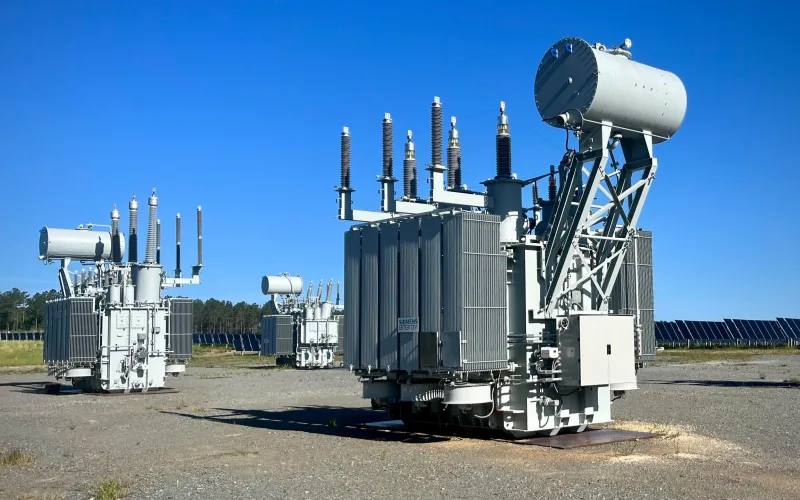
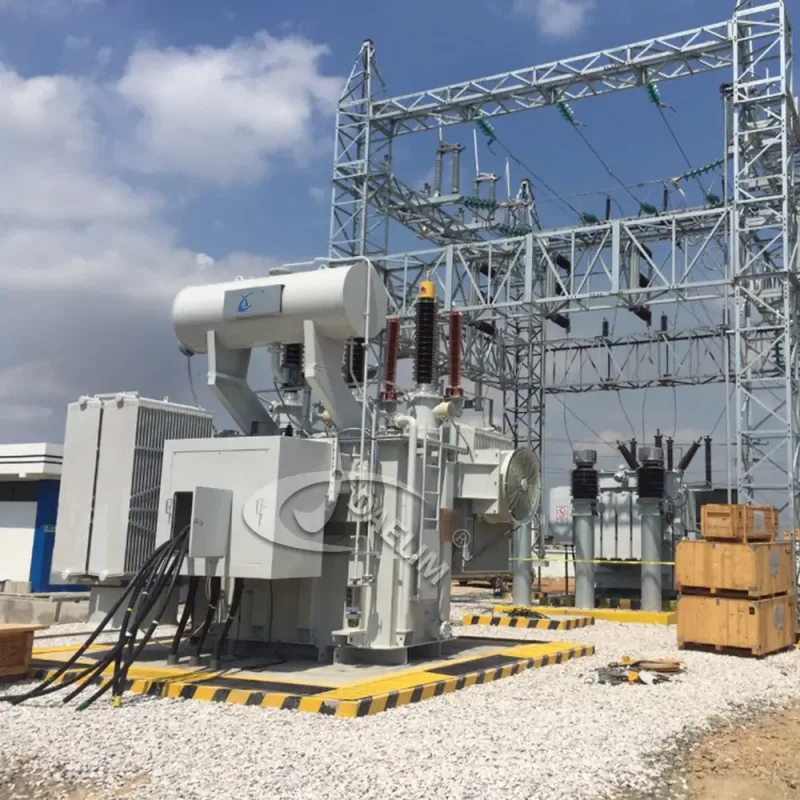
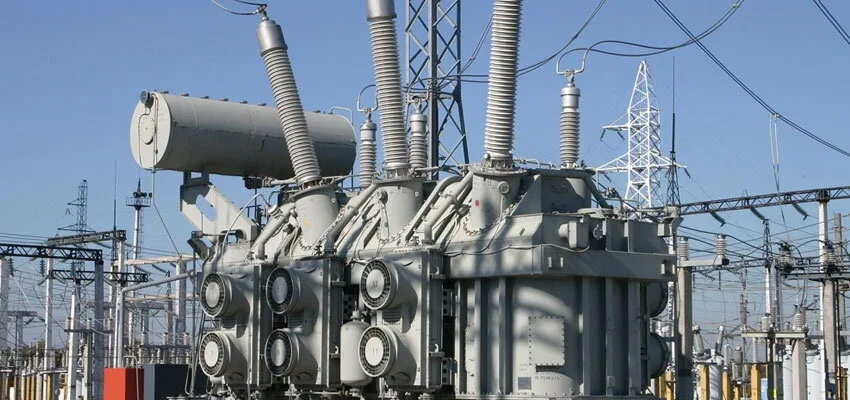
Héich Volt Haaptentwéckler sinn kritesch Ausrüstung an elektresch Muecht Transmissioun Systemer, entworf fir grouss elektresch Lasten ze handhaben an Spannungsniveauen fir laang-Distanz Elektrizitéit Transmissioun ze konvertéieren.
Dës Transformatoren ginn allgemeng an installéiert Kraaftwierker, elektresch Ënnerstatiounen, an national Netzinfrastruktur, effizient Iwwerdroung vu Stroum duerch Stied a Regiounen erméiglechen. Mat robusten Design an héich Isolatioun Leeschtung, Héichspannungstransformatoren garantéieren stabil an zouverlässeg Energieversuergung fir modern Energienetzwierker.
Wéi High Volt Power Transformers funktionnéieren
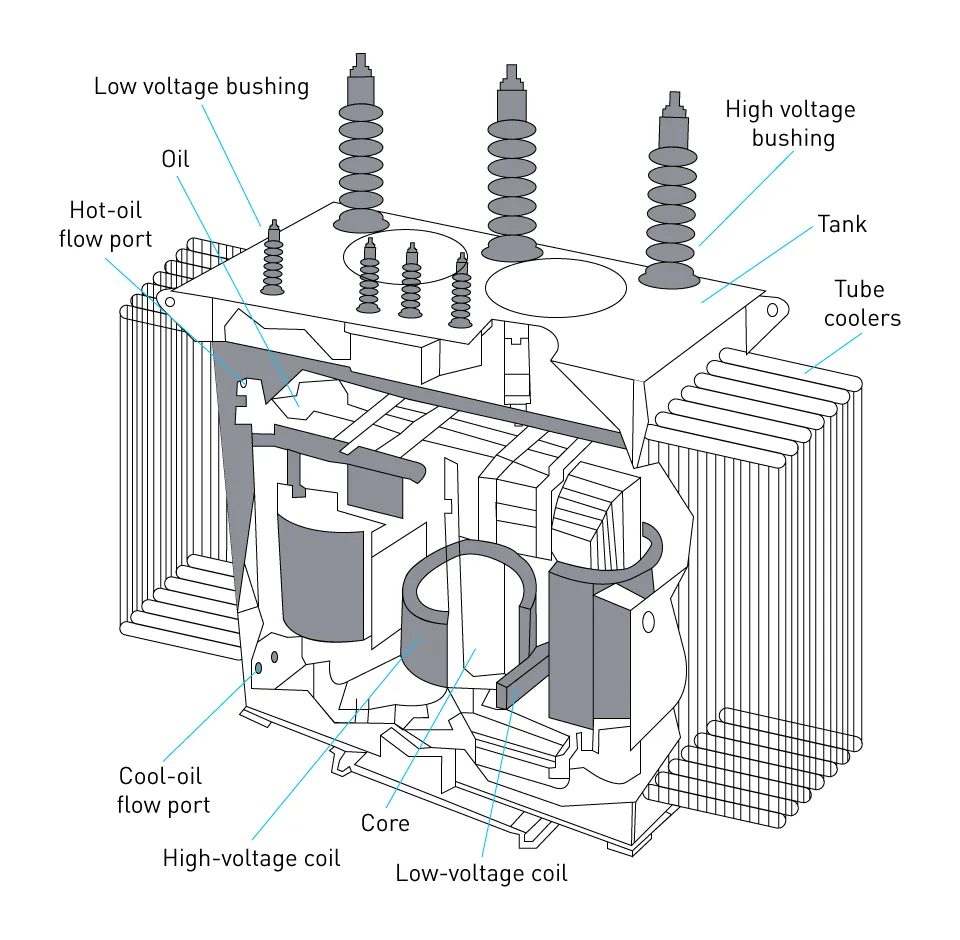
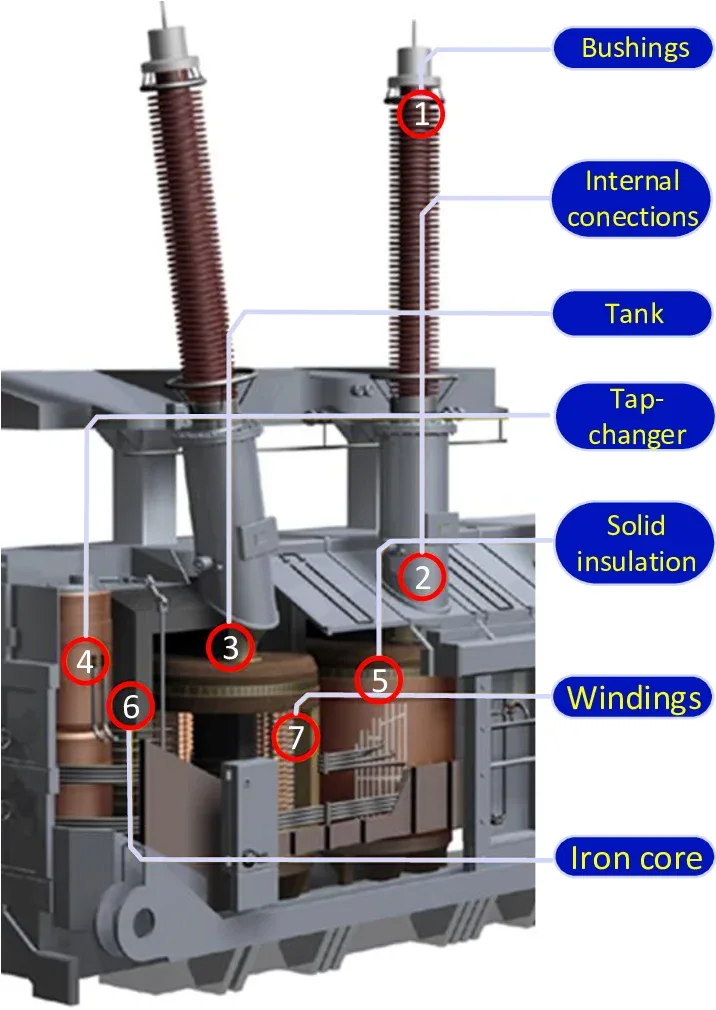
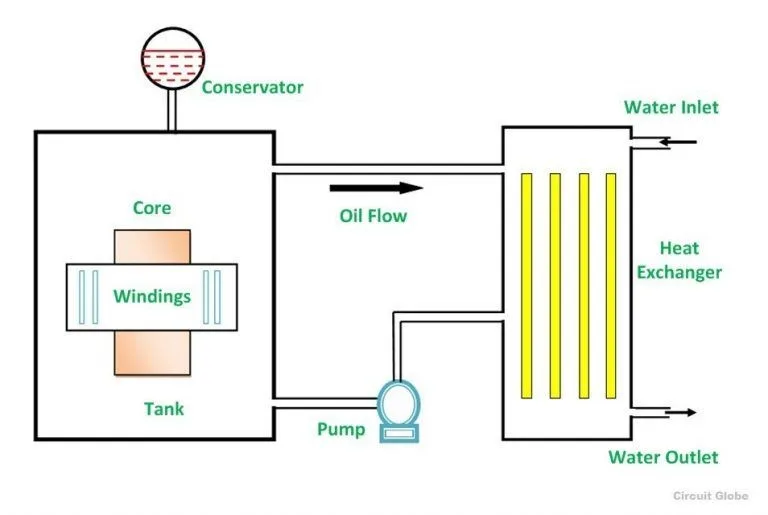
Héichspannungstransformatoren transferéieren elektresch Energie tëscht Circuiten wärend d'Spannungsniveauen eropgoen oder erofgoen elektromagnetesch Induktioun.
| Komponent | Funktioun |
|---|---|
| Kär | Dirigent magnetesche Flux fir effizient Energietransfer |
| Héich Volt Wicklung | Carries high-voltage electrical current and transfers electrical energy through electromagnetic induction |
| Niddereg Volt Winding | Carries low-voltage electrical current and transfers energy to or from the high-voltage winding |
| Isolatioun | Electrically isolates the windings and other components to prevent short circuits and electrical breakdown |
| Transformator Ueleg | Provides electrical insulation and removes heat generated during operation |
| Tank | Houses and protects the core, windings, and insulating oil |
| Bushing | Provides a safe insulated connection for conductors passing through the transformer tank |
| Tippen op Changer | Adjusts the winding turns ratio to regulate the output voltage |
| Kühlsystem | Dissipates heat from the transformer to maintain a safe operating temperature |
| Conservator Tank | Accommodates the expansion and contraction of transformer oil caused by temperature changes |
| Otem | Prevents moisture from entering the transformer while allowing air exchange as the oil expands and contracts |
| Heizkierper | Increases the surface area for heat dissipation and helps cool the transformer oil |
| Grounding System | Provides a safe path for fault current and helps protect equipment and personnel |
Dës Transformatoren sinn entwéckelt fir ënner ze bedreiwen héich elektresch Stress a schwéier Laaschtbedéngungen, suergt zouverlässeg Operatioun am Stroumnetz.
Typen vun Héichspannungstransformatoren
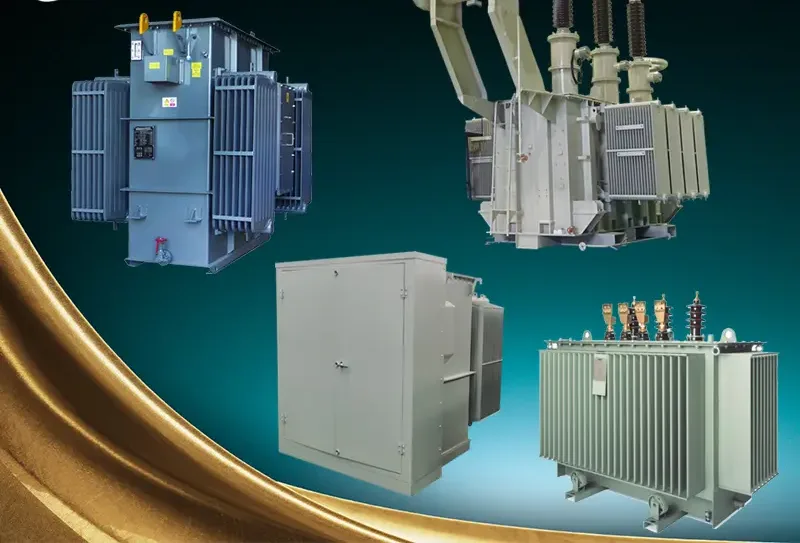
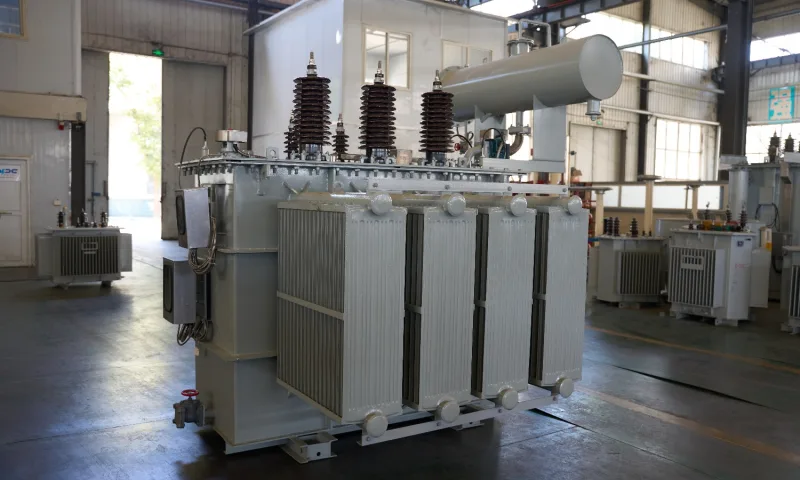
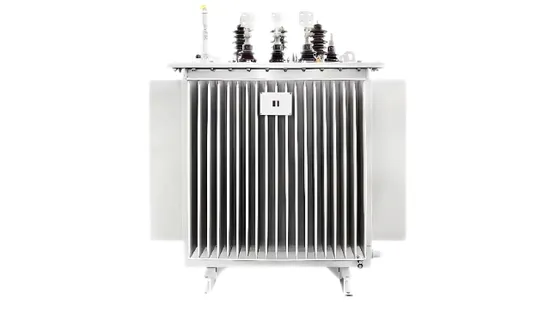
- Step-Up Power Transformer - Erhéicht Spannung fir laang Distanztransmissioun.
- Step-Down Power Transformer - Reduzéiert Spannung fir Verdeelungsnetzwierker.
- Dräi-Phase Power Transformer - Benotzt a grousse Kraaftsystemer.
- Gitter Substation Transformer - Installéiert an Transmissioun Ënnerstatiounen.
Virdeeler vun High Volt Power Transformers
- Effikass Long-Distanz Power Transmissioun
- Héich Laaschtkapazitéit fir Power Grids
- Robust Isolatioun a Cooling Design
- Zuverlässeg Operatioun an Utility Networks
- Laang Service Liewen mat stabil Leeschtung
Firma Profil
Luoyang Datang Energy Technology Co., Ltd., Ltd. ass eng High-Tech Entreprise déi R&D, Fabrikatioun, a Versuergung vu Stroumausrüstung an erneierbar Energieléisungen. Spezialiséiert op Transformatoren, nei Energiekomponenten, Verdeelung cabinets, an inverters, mir hunn eise Portfolio erweidert fir ze enthalenSolarenergie Systemer, Energie Stockage Léisungen, anLoft Quell Wärmepompelen. Mat technologescher Innovatioun als eise Kär, mir konzentréieren op d'Schafe vun héich-Zouverlässegkeet an héich-Performance Muecht an Energieeffizienz Léisungen global Clienten ze déngen. Duerch e strenge Qualitéitskontrollsystem an international Standard Zertifizéierung, mir liwweren kontinuéierlech exzellent Produkter déi eise Clienten erméiglechen fir sécher ze bauen, stabil, an nohalteg Muecht Systemer.
Wann Dir sicht eng héich-Qualitéit, Héichspannung féierend Kraafttransformator Fournisseur, mir invitéieren Iech eis ze kontaktéieren oder klickt op Zesummenhang Produiten ze froen.
Payment Methods of High Voltage Main Power Transformers
L/C, T/T, Western Union, Paypal, Kreditkaart etc.
Shipment of High Voltage Main Power Transformers
Eemol d'Bezuelung kritt ass, vum Mier, duerch Loft, oder per express sou séier wéi méiglech.
FAQs of High Voltage Main Power Transformers
1. Wat ass en Héichspannungstransformator?
A high voltage power transformer is a large electrical device designed to increase or decrease voltage levels in power generation, Iwwerdroung, and distribution systems. It operates based on the principle of elektromagnetesch Induktioun, transferring electrical energy between circuits while maintaining the same frequency.
High voltage transformers are typically engineered for héich Effizienz, zouverlässeg Operatioun, a laang Service Liewen, making them essential components of modern electrical power networks.
2. Wou ginn Héichspannungstransformatoren benotzt?
High voltage power transformers are widely used in Kraaftwierker, elektresch Ënnerstatiounen, Transmissioun Netzwierker, industriell Ariichtungen, an national Stroumnetzinfrastruktur.
They are commonly installed at different stages of the power system to:
- Step up voltage for long-distance power transmission
- Step down voltage at substations
- Connect different voltage levels within the power grid
- Supply electricity to large industrial loads
- Improve the efficiency and reliability of power transmission systems
3. Wéi eng Spannungsniveauen ginn als Héichspannung ugesinn?
High voltage transformer applications can cover a wide range of voltage levels depending on the power system and regional standards.
Common transmission and sub-transmission voltage levels include 35kV an, 66kV an, 110kV an, 132kV an, 220kV an, 330kV an, 500kV an, a méi héich.
The appropriate voltage rating depends on factors such as transmission distance, Muecht Muecht, grid configuration, insulation requirements, and local electrical standards.
4. Firwat sinn Héichspannungstransformatoren wichteg fir Kraaftiwwerdroung?
High voltage transformers play a critical role in reducing energy losses during long-distance electricity transmission.
Vun stepping up the voltage, the same amount of electrical power can be transmitted at a lower current. Lower current helps reduce losses in transmission conductors, improving overall transmission efficiency.
At the receiving end of the network, transformers can then step down the voltage to levels suitable for distribution, industriell Equipement, or other electrical loads.
5. Wat ass déi typesch Liewensdauer vun engem Kraafttransformator?
A properly designed, manufactured, installéiert, and maintained power transformer can typically operate for 30-40 Joer oder méi.
The actual service life depends on several factors, dorënner:
- Operating temperature
- Electrical loading
- Insulation condition
- Transformer oil quality
- Moisture and contamination
- Short-circuit events
- Cooling system performance
- Regular inspection and maintenance
Proper monitoring and preventive maintenance can help extend the transformer’s operational life and improve reliability.
6. What are the main components of a high voltage power transformer?
A high voltage power transformer consists of several key components that work together to ensure safe and efficient operation.
The major components include:
- Kär – Provides a low-reluctance path for magnetic flux.
- Héich Volt Wicklung – Handles the high-voltage side of the transformer.
- Niddereg Volt Winding – Handles the low-voltage side and transfers electrical energy through electromagnetic induction.
- Isolatioun System – Electrically isolates windings and other energized components.
- Transformator Ueleg – Provides insulation and helps transfer heat away from the active parts.
- Tank – Protects the internal components and contains the insulating oil.
- Bushings – Provide insulated electrical connections between the internal windings and external circuits.
- Kühlsystem – Dissipates heat generated during transformer operation.
- Tippen op Changer – Adjusts the voltage ratio to help maintain the required output voltage.
7. What is the difference between a step-up and a step-down transformer?
The main difference is the relationship between the input and output voltage.
A step-up transformer increases the voltage from the primary side to the secondary side. It is commonly used at power generation facilities to increase voltage before electricity enters the transmission network.
A step-down transformer reduces voltage to a lower level. It is commonly used at substations and distribution systems to provide suitable voltage levels for industrial, kommerziell, a Wunnapplikatiounen.
8. How does a high voltage transformer work?
A high voltage transformer works through elektromagnetesch Induktioun.
When alternating current flows through the primary winding, it produces a changing magnetic field in the transformer core. This changing magnetic flux induces a voltage in the secondary winding.
The voltage ratio is primarily determined by the turns ratio between the primary and secondary windings.
This allows the transformer to transfer electrical energy between circuits while changing the voltage level according to the requirements of the power system.
9. How is a high voltage transformer cooled?
Während Operatioun, transformers generate heat due to winding losses, core losses, and other electrical losses. Effective cooling is therefore essential for maintaining reliable operation.
Depending on the transformer design and capacity, cooling may involve:
- Natural oil circulation
- Natierlech Loftkühlung
- Forced oil circulation
- Forced air cooling
- Radiators
- Fans and pumps
Large power transformers often use a combination of oil circulation, radiators, Fans, and pumps to efficiently remove heat.
10. What maintenance does a high voltage transformer require?
Regular maintenance is important for detecting potential problems before they lead to equipment failure.
Typical maintenance activities include:
- Checking transformer oil condition
- Inspecting bushings and terminals
- Monitoring oil and winding temperatures
- Checking for oil leakage
- Inspecting cooling equipment
- Testing insulation resistance
- Checking protection and monitoring devices
- Inspecting the tap changer
- Performing electrical diagnostic tests when required
The specific maintenance schedule should be determined according to the transformer’s design, operating conditions, manufacturer recommendations, and applicable standards.