


Fournisseur de composants électroniques | Transformateurs, Inducteurs, Onduleurs


Principales caractéristiques des transformateurs de distribution immergés dans l'huile
Unoil-immersed distribution transformer is a type of electrical transformer that uses insulating oil as both a coolant and dielectric medium. These transformers are widely used in power distribution networks to step down voltage levels (typically from 11kV/33kV to 415V/240V) for industrial, commercial, et applications résidentielles.

Refroidissement& Isolation
Mineral oil or synthetic ester oil is used to dissipate heat and provide electrical insulation.
The oil also prevents oxidation and moisture absorption, extending transformer life.
Construction
Cœur: Made of laminated silicon steel to reduce eddy current losses.
Enroulements: Copper or aluminum conductors (HT & LV windings).
Réservoir: Sealed or conservator-type (with a breather to prevent moisture ingress).
Bagues: Porcelain or polymer insulators for cable connections.
Radiators/Fins: Enhance cooling by increasing surface area.
Espèces
Hermétiquement scellé: Fully sealed to prevent oil oxidation (no conservator).
Conservator-Type: Uses an oil expansion tank (conservateur) with a breather.
ONAN (Huile Naturelle Air Naturelle): Passive cooling (natural oil & air circulation).
MARCHE ARRÊT (Huile Naturelle Air Forcé): Fans are added for better cooling at higher loads.
Avantages
Efficient heat dissipation, allowing higher load capacity.
Longue durée de vie (20-30 years with proper maintenance).
Reliable performance in varied environmental conditions.
Lower initial cost compared to dry-type transformers.
Inconvénients
Fire risk due to flammable oil (requires fire safety measures).
Regular maintenance needed (essai d'huile, leakage checks).
Environmental concerns (oil disposal, potential spills).
Applications
Power distribution networks (utility substations).
Installations industrielles, bâtiments commerciaux, and residential complexes.
Systèmes d'énergie renouvelable (solar/wind farms).

Exigences d'entretien
Oil Testing: Check dielectric strength, moisture content, et l'acidité.
Leak Inspection: Ensure no oil seepage from gaskets or welds.
Bushing & Winding Checks: Detect insulation degradation.
Sludge Removal: Prevent clogging in cooling ducts.
Normes & Certifications
CEI 60076 (International standards for power transformers).
IEEE C57.12.00 (General requirements for liquid-immersed transformers).
IS 1180 (Indian Standard for oil-immersed distribution transformers).
Comparison with Dry-Type Transformers
Fonctionnalité | Immergé dans l'huile | Type sec |
Huile minérale | ||
Risque d'incendie | Plus haut (huile inflammable) | Inférieur (no oil) |
Entretien | More frequent | Less frequent |
Efficacité | Haut (better cooling) | Slightly lower |
Coût | Coût initial inférieur | Coût initial plus élevé |
Conclusion
Oil-immersed distribution transformers are cost-effective and efficient for medium-to-high power distribution but require careful handling due to oil-related risks. They remain the preferred choice for outdoor and high-load applications where cooling efficiency is critical.
ARTICLES CONNEXES

11Guide des prix des transformateurs kV: Facteurs, Tendances, et les meilleures offres en 2024

Comment les grands dissipateurs thermiques peuvent améliorer les performances des appareils électroniques
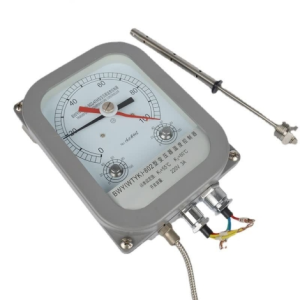
Les contrôleurs de pression numériques intelligents brillent dans de nombreux domaines, améliorer le niveau d’automatisation industrielle

Par 2032, le marché des transformateurs de distribution sur socle dépassera $20 milliard – Le transformateur monté sur socle ouvre un nouveau chapitre dans la transmission de puissance
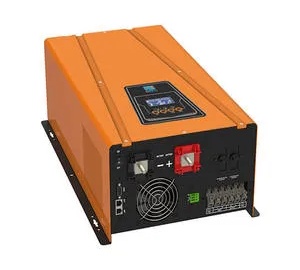
Onduleur toroïdal: L’avenir de la conversion efficace de l’énergie
