Proveedor de componentes electrónicos | Transformadores, Inductores, Inversores


Características clave de los transformadores de distribución sumergidos en aceite
Unoil-immersed distribution transformer is a type of electrical transformer that uses insulating oil as both a coolant and dielectric medium. These transformers are widely used in power distribution networks to step down voltage levels (typically from 11kV/33kV to 415V/240V) for industrial, comercial, and residential applications.

Enfriamiento& Aislamiento
Mineral oil or synthetic ester oil is used to dissipate heat and provide electrical insulation.
The oil also prevents oxidation and moisture absorption, extending transformer life.
Construction
Centro: Made of laminated silicon steel to reduce eddy current losses.
Devanados: Copper or aluminum conductors (alto voltaje & LV windings).
Tanque: Sealed or conservator-type (with a breather to prevent moisture ingress).
Bujes: Porcelain or polymer insulators for cable connections.
Radiators/Fins: Enhance cooling by increasing surface area.
Tipos
Hermetically Sealed: Fully sealed to prevent oil oxidation (no conservator).
Conservator-Type: Uses an oil expansion tank (conservador) with a breather.
ONÁN (Aceite Natural Aire Natural): Passive cooling (natural oil & air circulation).
ENCENDIDO APAGADO (Aceite Natural Aire Forzado): Fans are added for better cooling at higher loads.
Ventajas
Disipación de calor eficiente, allowing higher load capacity.
Larga vida útil (20-30 years with proper maintenance).
Reliable performance in varied environmental conditions.
Lower initial cost compared to dry-type transformers.
Desventajas
Fire risk due to flammable oil (requires fire safety measures).
Regular maintenance needed (prueba de aceite, leakage checks).
Environmental concerns (oil disposal, potential spills).
Aplicaciones
Power distribution networks (utility substations).
Plantas industriales, edificios comerciales, and residential complexes.
Sistemas de energía renovable (parques solares/eólicos).

Maintenance Requirements
Oil Testing: Check dielectric strength, moisture content, y acidez.
Leak Inspection: Ensure no oil seepage from gaskets or welds.
Bushing & Winding Checks: Detect insulation degradation.
Sludge Removal: Prevent clogging in cooling ducts.
Estándares & Certificaciones
CEI 60076 (International standards for power transformers).
IEEE C57.12.00 (General requirements for liquid-immersed transformers).
IS 1180 (Indian Standard for oil-immersed distribution transformers).
Comparison with Dry-Type Transformers
Característica | sumergido en aceite | Tipo seco |
Mineral Oil | ||
Fire Risk | Más alto (aceite inflamable) | Más bajo (no oil) |
Mantenimiento | More frequent | Less frequent |
Eficiencia | Alto (better cooling) | Slightly lower |
Costo | Menor costo inicial | Mayor costo inicial |
Conclusión
Oil-immersed distribution transformers are cost-effective and efficient for medium-to-high power distribution but require careful handling due to oil-related risks. They remain the preferred choice for outdoor and high-load applications where cooling efficiency is critical.
PUBLICACIONES RELACIONADAS

¿Cómo garantiza un disipador de calor IGBT la seguridad eléctrica??
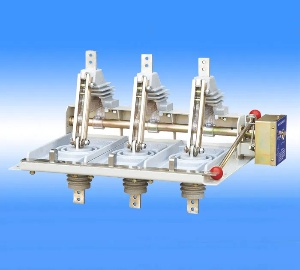
La guía definitiva para interruptores seccionadores de alta tensión: Garantizar la seguridad y la confiabilidad en las redes eléctricas modernas
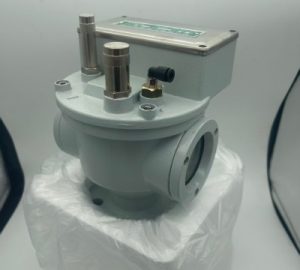
Del local al cortocircuito: ¿Cómo pueden los relés de gas identificar con precisión fallas internas en los transformadores?? (con análisis de casos de ingeniería adjunto)
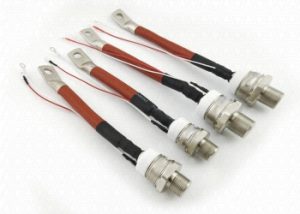
¿Cuál es la frecuencia de un tiristor de conmutación rápida??

Se espera que el mercado mundial de transformadores de potencia alcance los USD 33.7 mil millones por 2028, creciendo a una CAGR de 6.8% durante el período de pronóstico.