


Fornecedor de componentes eletrônicos | Transformadores, Indutores, Inversores


Introdução
Umelectrical transformer is a fundamental device in power distribution and electronics, projetado paratransfer electrical energy between circuits through electromagnetic induction. Aumentando ou diminuindo os níveis de tensão, transformers enable efficienttransmissão de energia de longa distância and safe voltage adaptation for household and industrial use.
Com o impulso global pararedes inteligentes, renewable energy integration, and electric vehicle (VE) charging infrastructure, transformers are more critical than ever. This article exploreshow transformers work, their key types, efficiency considerations, and emerging trends, optimized forSEO e legibilidade to attract organic traffic.
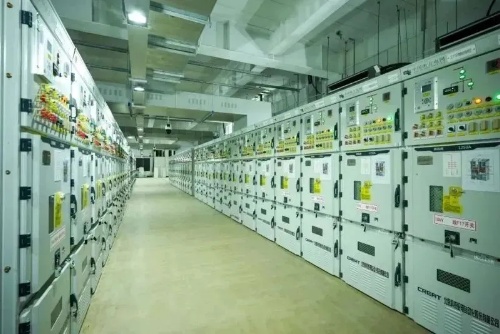
How Does an Electrical Transformer Work?
Transformers operate on the principle ofFaraday’s Law of Electromagnetic Induction, which states that a changing magnetic field induces a voltage in a conductor. A basic transformer consists of:
- Bobina Primária – Receives input AC voltage.
- Bobina Secundária – Delivers transformed output voltage.
- Ferromagnetic Core – Enhances magnetic coupling between coils.
When AC flows through the primary coil, it generates afluctuating magnetic field, inducing a voltage in the secondary coil. Orelação de giros (N₁/N₂) determines whether the transformersteps up (increases) ousteps down (decreases) tensão.
Types of Electrical Transformers
1. Step-Up & Step-Down Transformers
- Step-Up – Increases voltage (por exemplo, power plants to transmission lines).
- Step-Down – Decreases voltage (por exemplo, household outlets).
2. Transformadores de distribuição
- Used inlocal power grids to supply homes and businesses.
- Tipicamenteoil-cooled or dry-type para segurança.
3. Isolation Transformers
- Provideelectrical separation for safety in medical and industrial equipment.
4. Autotransformers
- Single-winding design forcompactar, cost-effective voltage adjustment.
5. Instrument Transformers
- Transformadores atuais (TCs) & Potential Transformers (PTs) – Used for metering and protection in high-voltage systems.
Key Advantages of Transformers
✔Transmissão de energia eficiente – Reduce energy loss over long distances.
✔Voltage Adaptation – Enable safe usage in different applications.
✔Galvanic Isolation – Prevent electrical shocks in sensitive devices.
✔Confiabilidade – Long lifespan with minimal maintenance.
Desafios & Modern Solutions
- Energy Losses – Core losses (hysteresis & eddy currents) and copper losses reduce efficiency.
- Solução: Amorphous metal cores and high-efficiency designs (e.g.,Energy Star-rated transformers).
- Heat Dissipation – Large transformers require cooling systems.
- Solução: Oil-immersed cooling or forced-air systems.
- Preocupações Ambientais – Traditional oil-filled transformers risk leaks.
- Solução: Eco-friendly ester-based fluids and dry-type transformers.
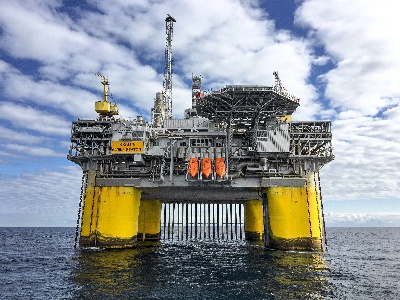
Transformers in Modern Applications
- Redes Inteligentes – Enable bidirectional power flow forrenewable energy integration.
- Veículos Elétricos (VEs) – Fast-charging stations rely onhigh-power transformers.
- Energia Renovável – Solar/wind farms usestep-up transformers to feed power into the grid.
- Automação Industrial – Provide stable voltage forrobotics and CNC machines.
- Centros de dados – Ensure uninterrupted power withredundant transformer systems.
Tendências Futuras & Inovações
- Solid-State Transformers (SSTs) – Use power electronics formenor, smarter, and more efficient conversão de tensão.
- IoT-Enabled Monitoring – Sensors predict failures viareal-time diagnostics.
- Green Transformers – Sustainable materials and biodegradable insulation oils.
Conclusão
Electrical transformers remain indispensable indistribuição de energia, energia renovável, and modern electronics. As technology advances, innovations likesolid-state transformers and smart grid compatibility will drive the next generation of energy-efficient systems.
Sobre PDDN
PDDN é a plataforma online deLuoyang Datang Tecnologia de Energia Co., Ltda., um fabricante confiável e fornecedor global detransformadores de potência, acessórios para transformadores, componentes do painel, sistemas de armazenamento de energia de bateria (BESS), e soluções de carregamento de veículos elétricos. Desde 2015, apoiamos empresas de serviços públicos, Empreiteiros EPC, e clientes industriais em todo o mundo com produtos confiáveis, Serviços OEM/ODM, e conhecimento técnico.
OPDDN Blog provides practical engineering knowledge, product selection guides, maintenance tips, and industry insights for professionals in the power and energy sector.
Saber mais: https://www.pddn.com/
E-mail: vendas@pddn.com
POSTS RELACIONADOS
Por que as buchas dos transformadores estão se tornando um dos componentes mais críticos nos sistemas de energia modernos

Qual o tamanho de um sistema inversor doméstico que preciso para administrar minha casa?

Dissipador de calor do processador: Princípio de funcionamento e importância

Inversor tiristor: um artefato de conversão de energia, o núcleo de dirigir o futuro

Dissipador de calor refrigerado por ventilador: Líder em soluções de refrigeração eficientes
