ইলেকট্রনিক উপাদান সরবরাহকারী | ট্রান্সফরমার, ইন্ডাক্টর, ইনভার্টার


ভূমিকা
আelectrical transformer is a fundamental device in power distribution and electronics, পরিকল্পিতtransfer electrical energy between circuits through electromagnetic induction. ভোল্টেজের মাত্রা বৃদ্ধি করে বা ধাপে ধাপে নামিয়ে, transformers enable efficientlong-distance power transmission and safe voltage adaptation for household and industrial use.
With the global push towardস্মার্ট গ্রিড, পুনর্নবীকরণযোগ্য শক্তি একীকরণ, and electric vehicle (ইভি) charging infrastructure, transformers are more critical than ever. This article exploreshow transformers work, their key types, efficiency considerations, and emerging trends, optimized forএসইও এবং পঠনযোগ্যতা to attract organic traffic.
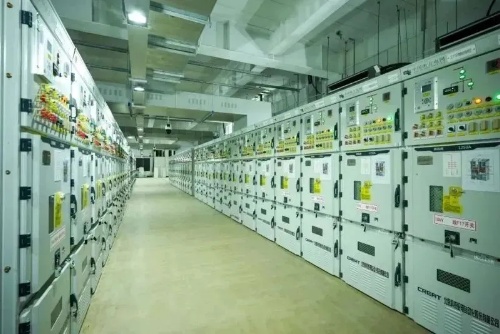
How Does an Electrical Transformer Work?
Transformers operate on the principle ofFaraday’s Law of Electromagnetic Induction, which states that a changing magnetic field induces a voltage in a conductor. A basic transformer consists of:
- Primary Coil – Receives input AC voltage.
- Secondary Coil – Delivers transformed output voltage.
- Ferromagnetic Core – Enhances magnetic coupling between coils.
When AC flows through the primary coil, it generates afluctuating magnetic field, inducing a voltage in the secondary coil. দবাঁক অনুপাত (N₁/N₂) determines whether the transformersteps up (increases) বাsteps down (decreases) ভোল্টেজ.
Types of Electrical Transformers
1. Step-Up & Step-Down Transformers
- Step-Up – Increases voltage (যেমন, power plants to transmission lines).
- Step-Down – Decreases voltage (যেমন, household outlets).
2. বিতরণ ট্রান্সফরমার
- ব্যবহার করা হয়local power grids to supply homes and businesses.
- সাধারণতoil-cooled or dry-type নিরাপত্তার জন্য.
3. Isolation Transformers
- Provideelectrical separation for safety in medical and industrial equipment.
4. Autotransformers
- Single-winding design forকম্প্যাক্ট, cost-effective voltage adjustment.
5. Instrument Transformers
- বর্তমান ট্রান্সফরমার (সিটি) & সম্ভাব্য ট্রান্সফরমার (PTs) – Used for metering and protection in high-voltage systems.
Key Advantages of Transformers
✔দক্ষ পাওয়ার ট্রান্সমিশন – Reduce energy loss over long distances.
✔Voltage Adaptation – Enable safe usage in different applications.
✔Galvanic Isolation – Prevent electrical shocks in sensitive devices.
✔নির্ভরযোগ্যতা – Long lifespan with minimal maintenance.
চ্যালেঞ্জ & Modern Solutions
- Energy Losses – Core losses (hysteresis & eddy currents) and copper losses reduce efficiency.
- সমাধান: Amorphous metal cores and high-efficiency designs (যেমন,Energy Star-rated transformers).
- Heat Dissipation – Large transformers require cooling systems.
- সমাধান: Oil-immersed cooling or forced-air systems.
- পরিবেশগত উদ্বেগ – Traditional oil-filled transformers risk leaks.
- সমাধান: Eco-friendly ester-based fluids and dry-type transformers.
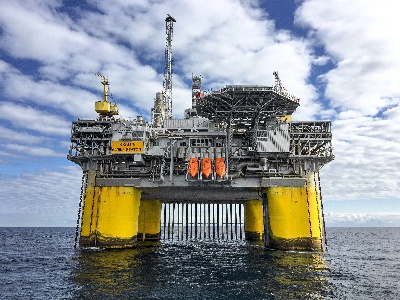
Transformers in Modern Applications
- স্মার্ট গ্রিড – Enable bidirectional power flow forপুনর্নবীকরণযোগ্য শক্তি একীকরণ.
- বৈদ্যুতিক যানবাহন (ইভি) – Fast-charging stations rely onhigh-power transformers.
- নবায়নযোগ্য শক্তি – Solar/wind farms usestep-up transformers to feed power into the grid.
- ইন্ডাস্ট্রিয়াল অটোমেশন – Provide stable voltage forrobotics and CNC machines.
- ডেটা সেন্টার – Ensure uninterrupted power withredundant transformer systems.
ভবিষ্যতের প্রবণতা & উদ্ভাবন
- Solid-State Transformers (SSTs) – Use power electronics forsmaller, smarter, and more efficient voltage conversion.
- IoT-Enabled Monitoring – Sensors predict failures viareal-time diagnostics.
- সবুজ ট্রান্সফরমার – Sustainable materials and biodegradable insulation oils.
উপসংহার
Electrical transformers remain indispensable inশক্তি বিতরণ, নবায়নযোগ্য শক্তি, and modern electronics. প্রযুক্তির উন্নতির সাথে সাথে, innovations likesolid-state transformers and smart grid compatibility will drive the next generation of energy-efficient systems.
পিডিডিএন সম্পর্কে
পিডিডিএন এর অনলাইন প্ল্যাটফর্মলুওয়াং দাতাং এনার্জি টেকনোলজি কো., লিমিটেড., একটি বিশ্বস্ত প্রস্তুতকারক এবং বিশ্বব্যাপী সরবরাহকারীপাওয়ার ট্রান্সফরমার, ট্রান্সফরমার জিনিসপত্র, সুইচগিয়ার উপাদান, ব্যাটারি শক্তি স্টোরেজ সিস্টেম (BESS), এবং EV চার্জিং সমাধান. যেহেতু 2015, আমরা ইউটিলিটি কোম্পানি সমর্থিত আছে, ইপিসি ঠিকাদার, এবং বিশ্বব্যাপী শিল্প গ্রাহকরা নির্ভরযোগ্য পণ্যের সাথে, OEM/ODM পরিষেবা, এবং প্রযুক্তিগত দক্ষতা.
দপিডিডিএন ব্লগ ব্যবহারিক প্রকৌশল জ্ঞান প্রদান করে, পণ্য নির্বাচন নির্দেশিকা, রক্ষণাবেক্ষণ টিপস, এবং বিদ্যুৎ ও শক্তি সেক্টরে পেশাদারদের জন্য শিল্প অন্তর্দৃষ্টি.
আরও জানুন: https://www.pddn.com/
ইমেইল: sales@pddn.com
সম্পর্কিত পোস্ট

C106M থাইরিস্টর: পাওয়ার ইলেকট্রনিক্স শিল্পে "ডার্ক হর্স"
ইভি চার্জিং স্টেশনের জন্য উচ্চ দক্ষতা এবং স্মার্ট ট্রান্সফরমার
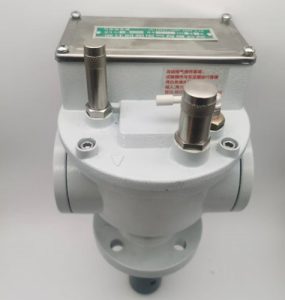
গ্যাস রিলে কাজের নীতির সম্পূর্ণ বিশ্লেষণ: দ “প্রতিরক্ষা প্রথম লাইন” তেল নিমজ্জিত ট্রান্সফরমারের অভ্যন্তরীণ ত্রুটির জন্য

একটি 3-ফেজ ট্রান্সফরমার কি??

বেঙ্গালুরু শহরের সৌন্দর্য এবং দক্ষতা বাড়াতে তার প্রথম ভূগর্ভস্থ ট্রান্সফরমার চালু করেছে