電子部品サプライヤー | トランスフォーマー, インダクタ, インバータ


導入
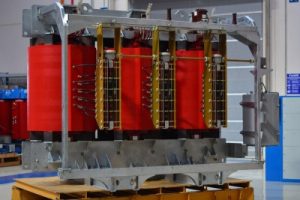
アンelectrical transformer is a fundamental device in power distribution and electronics, するように設計されていますtransfer electrical energy between circuits through electromagnetic induction. 電圧レベルを上げたり下げたりすることによって, transformers enable efficient長距離電力伝送 and safe voltage adaptation for household and industrial use.
世界的な推進により、スマートグリッド, 再生可能エネルギーの統合, and electric vehicle (EV) charging infrastructure, transformers are more critical than ever. This article exploreshow transformers work, their key types, efficiency considerations, and emerging trends, optimized forSEOと読みやすさ to attract organic traffic.
How Does an Electrical Transformer Work?
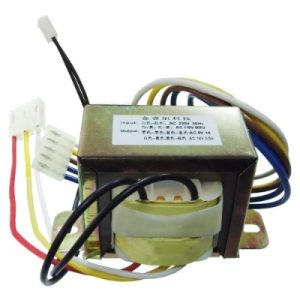
Transformers operate on the principle ofFaraday’s Law of Electromagnetic Induction, which states that a changing magnetic field induces a voltage in a conductor. A basic transformer consists of:
- 一次コイル – Receives input AC voltage.
- 二次コイル – Delivers transformed output voltage.
- Ferromagnetic Core – Enhances magnetic coupling between coils.
When AC flows through the primary coil, it generates afluctuating magnetic field, inducing a voltage in the secondary coil. の巻数比 (N₁/N₂) determines whether the transformerステップアップ (increases) またはsteps down (decreases) 電圧.
Types of Electrical Transformers
1. Step-Up & Step-Down Transformers
- Step-Up – Increases voltage (例えば, power plants to transmission lines).
- Step-Down – Decreases voltage (例えば, household outlets).
2. 配電変圧器
- Used inlocal power grids to supply homes and businesses.
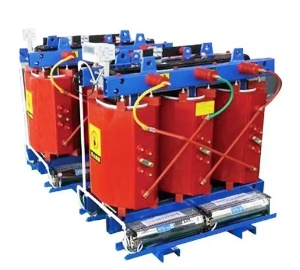
- 通常oil-cooled or dry-type 安全のために.
3. 絶縁変圧器
- 提供するelectrical separation for safety in medical and industrial equipment.
4. Autotransformers
- Single-winding design forコンパクト, cost-effective voltage adjustment.
5. Instrument Transformers
- 変流器 (CT) & Potential Transformers (PTs) – Used for metering and protection in high-voltage systems.
Key Advantages of Transformers
✔効率的な動力伝達 – Reduce energy loss over long distances.
✔Voltage Adaptation – Enable safe usage in different applications.
✔Galvanic Isolation – Prevent electrical shocks in sensitive devices.
✔信頼性 – Long lifespan with minimal maintenance.
課題 & Modern Solutions
- Energy Losses – Core losses (hysteresis & eddy currents) and copper losses reduce efficiency.
- 解決: Amorphous metal cores and high-efficiency designs (e.g.,Energy Star-rated transformers).
- Heat Dissipation – Large transformers require cooling systems.
- 解決: Oil-immersed cooling or forced-air systems.
- Environmental Concerns – Traditional oil-filled transformers risk leaks.
- 解決: Eco-friendly ester-based fluids and dry-type transformers.
Transformers in Modern Applications
- スマートグリッド – Enable bidirectional power flow for再生可能エネルギーの統合.
- Electric Vehicles (EV) – Fast-charging stations rely onhigh-power transformers.
- 再生可能エネルギー – Solar/wind farms usestep-up transformers to feed power into the grid.
- Industrial Automation – Provide stable voltage forrobotics and CNC machines.
- データセンター – Ensure uninterrupted power withredundant transformer systems.
今後の動向 & イノベーション
- Solid-State Transformers (SSTs) – Use power electronics forsmaller, smarter, and more efficient voltage conversion.
- IoT-Enabled Monitoring – Sensors predict failures viareal-time diagnostics.
- Green Transformers – Sustainable materials and biodegradable insulation oils.
結論
Electrical transformers remain indispensable in配電, 再生可能エネルギー, and modern electronics. テクノロジーが進歩するにつれて, innovations likesolid-state transformers and smart grid compatibility will drive the next generation of energy-efficient systems.
PDDNについて
PDDN のオンラインプラットフォームです洛陽大唐能源科技有限公司, 株式会社., 信頼できるメーカーおよび世界的なサプライヤー電源変圧器, 変圧器の付属品, 開閉装置コンポーネント, バッテリーエネルギー貯蔵システム (ベス), およびEV充電ソリューション. 以来 2015, 私たちは公益事業会社をサポートしてきました, EPC請負業者, 信頼性の高い製品を世界中の産業顧客に提供します, OEM/ODMサービス, 技術的な専門知識と.
のPDDN ブログ 実践的なエンジニアリング知識を提供します, 製品選択ガイド, メンテナンスのヒント, 電力およびエネルギー分野の専門家向けの業界の洞察.
もっと詳しく知る: https://www.pddn.com/
電子メール: sales@pddn.com