Elektronesch Komponente Fournisseur | Transformers, Induktoren, Inverters


Aféierung
Anelektresch transformer ass e fundamentalt Apparat an der Kraaftverdeelung an der Elektronik, entworf zeelektresch Energie transferéieren tëscht Kreesleef duerch elektromagnetesch Induktioun. Andeems Dir Spannungsniveauen eropgeet oder erofgeet, Transformatoren erlaben effizientlaang-Distanz Muecht Transmissioun a sécher Volt Adaptatioun fir Stot an industriell Notzung.
Mat der globaler Push RichtungSmart Gitter, erneierbar Energien Integratioun, an elektrescht Gefier (EV) Opluedinfrastruktur, Transformatoren si méi kritesch wéi jee. Dësen Artikel entdecktwéi Transformatoren funktionnéieren, hir Schlëssel Zorte, Effizienz Iwwerleeungen, an opkomende Trends, optimiséiert firSEO a Liesbarkeet organesch Verkéier unzezéien.
Wéi funktionnéiert en elektresche Transformator?
Transformers funktionnéieren op de Prinzip vunFaradays Gesetz vun der elektromagnetescher Induktioun, wat seet datt e verännert Magnéitfeld eng Spannung an engem Dirigent induzéiert. E Basistransformator besteet aus:
- Primär Coil - Empfänkt Input AC Spannung.
- Secondaire Coil - Liwwert transforméiert Ausgangsspannung.
- Ferromagnetesche Kär - Verbessert magnetesch Kupplung tëscht Spullen.
Wann AC duerch d'Primärspiral fléisst, et generéiert afluctuating Magnéitfeld, eng Spannung an der Sekundärspiral induzéieren. Déiverwandelt Verhältnis (N₁/N₂) bestëmmt ob der transformerSchrëtt erop (erhéicht) oderSchrëtt erof (reduzéiert) Spannung.
Typen vun elektresche Transformatoren
1. Schrëtt-Up & Schrëtt-Down Transformers
- Schrëtt-Up - Erhéicht Spannung (z.B., Kraaftwierker zu Transmissioun Linnen).
- Schrëtt-Down - Senkt d'Spannung (z.B., Stot Outlets).
2. Verdeelung Transformers
- Benotzt anlokal Stroumnetz fir Haiser a Betriber ze liwweren.
- TypeschUeleg-gekillt oder dréchen-Typ fir Sécherheet.
3. Isolatioun Transformers
- Versuergenelektresch Trennung fir Sécherheet an medezinesch an industriell Equipement.
4. Autotransformers
- Single-winding Design firkompakt, Käschten-effikass Volt Upassung.
5. Instrument Transformers
- Aktuell Transformers (CTs) & Potenziell Transformers (PTs) - Benotzt fir Meter a Schutz an Héichspannungssystemer.
Schlëssel Virdeeler vun Transformers
✔Effikass Power Transmissioun - Energieverloscht iwwer laang Distanzen reduzéieren.
✔Volt Adaptatioun - Aktivéiert sécher Notzung a verschiddenen Uwendungen.
✔Galvanesch Isolatioun - Vermeiden elektresch Schock an sensibel Geräter.
✔Zouverlässegkeet - Laang Liewensdauer mat minimalem Ënnerhalt.
Erausfuerderungen & Modern Léisungen
- Energie Verloschter - Kär Verloschter (hysteresis & Eddy Stroum) a Kofferverloschter reduzéieren d'Effizienz.
- Léisung: Amorph Metal Kären an héich-Effizienz Designen (z.B.,Energie Star-bewäert Transformatoren).
- Hëtzt Dissipatioun - Grouss Transformatoren erfuerderen Killsystemer.
- Léisung: Ofkillung mat Ueleg oder Zwangsluftsystemer.
- Ëmweltproblemer - Traditionell Ueleg-gefëllte Transformatoren riskéieren Leckage.
- Léisung: Öko-frëndlech Ester-baséiert Flëssegkeeten an dréchen-Typ transformers.
Transformatoren a modernen Uwendungen
- Smart Gitter - Aktivéiert bidirektionalen Muecht Flux firerneierbar Energien Integratioun.
- Elektresch Gefierer (EVs) - Fast-Opluedstatiounen vertrauen ophéich-Muecht transformers.
- Erneierbar Energie - Solar / Wandhaff benotztSchrëtt-up Transformatoren Kraaft an d'Netz ze fidderen.
- Industriell Automatisatioun - Gitt stabil Spannung firRobotik an CNC Maschinnen.
- Daten Zentren - Sécherstellen onënnerbrach Muecht matredundante Transformatorsystemer.
Zukunft Trends & Innovatiounen
- Solid-State Transformers (SSTs) - Benotzen Muecht elektronesch firméi kleng, méi schlau, a méi efficace Spannung Konversioun.
- IoT-Enabled Iwwerwachung - Sensoren viraussoen Feeler iwwerEchtzäit Diagnostik.
- Gréng Transformers - Nohalteg Materialien an biodegradable Isolatioun Ueleger.
Conclusioun
Elektresch Transformatoren bleiwen onverzichtbar anMuecht Verdeelung, erneierbar Energien, a modern Elektronik. Wéi Technologie Fortschrëtter, Innovatiounen wéiSolid-State Transformatoren a Smart Grid Kompatibilitéit wäert déi nächst Generatioun vun energieeffizient Systemer fueren.
Iwwer PDDN
PDDN ass déi online Plattform vunLuoyang Datang Energy Technology Co., Ltd., Ltd., engem trauen Fabrikant beschwéiert a global Fournisseur vunMuecht transformers, transformer Accessoiren, switchgear Komponente, Batterie Energie Stockage Systemer (BESS), an EV Opluedstatiounen Léisungen. Zënter 2015, mir hunn Utilityfirmen ënnerstëtzt, EPC Entrepreneuren, an industriell Clienten weltwäit mat zouverlässeg Produiten, OEM / ODM Servicer, an technesch Expertise.
DéiPDDN Blog bitt praktesch Ingenieurswëssen, Produit Auswiel Guiden, Ënnerhalt Rotschléi, an Industrie Abléck fir Fachleit am Muecht an Energie Secteur.
Léier méi: https://www.pddn.com/
E-Mail: sales@pddn.com
RELATED POSTS

Aktuell Transformator Kabel Schutz Kraaft System: séier Äntwert fir Feeler Eskalatioun ze verhënneren

Buchholz Relais Funktioun
Kann e Solar Inverter Generator en Haus Energie maachen?
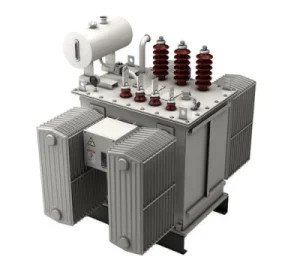
🔥 Oil Immersed Transformer Technologie: Vun Mineralöl bis Smart Predictive Maintenance
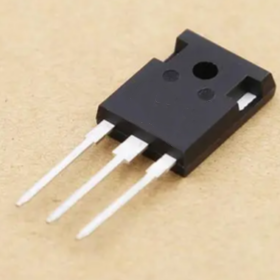
Uwendung an Optimiséierung vu Fast Erhuelung Diode an Linear Power Supplies