


Pembekal Komponen Elektronik | Transformers, Induktor, Penyongsang


pengenalan
Anelectrical transformer is a fundamental device in power distribution and electronics, direka untuktransfer electrical energy between circuits through electromagnetic induction. Dengan menaikkan atau menurunkan paras voltan, transformers enable efficientpenghantaran kuasa jarak jauh and safe voltage adaptation for household and industrial use.
Dengan dorongan global ke arahgrid pintar, integrasi tenaga boleh diperbaharui, and electric vehicle (EV) charging infrastructure, transformers are more critical than ever. This article exploreshow transformers work, their key types, efficiency considerations, and emerging trends, optimized forSEO and readability to attract organic traffic.
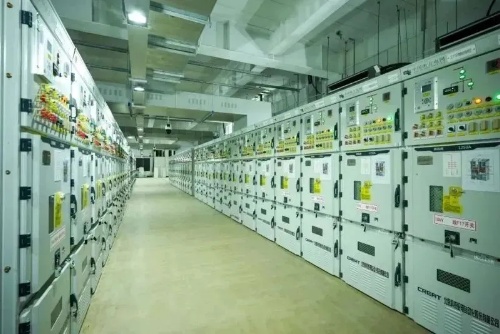
How Does an Electrical Transformer Work?
Transformers operate on the principle ofFaraday’s Law of Electromagnetic Induction, which states that a changing magnetic field induces a voltage in a conductor. A basic transformer consists of:
- Gegelung Utama – Receives input AC voltage.
- Gegelung Sekunder – Delivers transformed output voltage.
- Ferromagnetic Core – Enhances magnetic coupling between coils.
When AC flows through the primary coil, it generates afluctuating magnetic field, inducing a voltage in the secondary coil. Thenisbah pusingan (N₁/N₂) determines whether the transformermelangkah naik (increases) atausteps down (decreases) voltan.
Types of Electrical Transformers
1. Step-Up & Step-Down Transformers
- Step-Up – Increases voltage (cth., power plants to transmission lines).
- Step-Down – Decreases voltage (cth., household outlets).
2. Pengubah Agihan
- Digunakan dalamlocal power grids to supply homes and businesses.
- Lazimnyaoil-cooled or dry-type untuk keselamatan.
3. Isolation Transformers
- Menyediakanelectrical separation for safety in medical and industrial equipment.
4. Autotransformers
- Single-winding design forpadat, cost-effective voltage adjustment.
5. Instrument Transformers
- Transformer Semasa (CT) & Potential Transformers (PTs) – Used for metering and protection in high-voltage systems.
Key Advantages of Transformers
✔Penghantaran Kuasa yang Cekap – Reduce energy loss over long distances.
✔Voltage Adaptation – Enable safe usage in different applications.
✔Galvanic Isolation – Prevent electrical shocks in sensitive devices.
✔Kebolehpercayaan – Long lifespan with minimal maintenance.
Cabaran & Modern Solutions
- Energy Losses – Core losses (hysteresis & arus pusar) and copper losses reduce efficiency.
- Penyelesaian: Amorphous metal cores and high-efficiency designs (e.g.,Energy Star-rated transformers).
- Heat Dissipation – Large transformers require cooling systems.
- Penyelesaian: Oil-immersed cooling or forced-air systems.
- Environmental Concerns – Traditional oil-filled transformers risk leaks.
- Penyelesaian: Eco-friendly ester-based fluids and dry-type transformers.
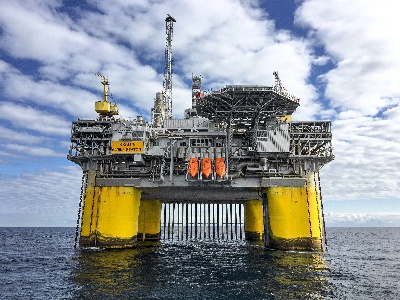
Transformers in Modern Applications
- Grid Pintar – Enable bidirectional power flow forintegrasi tenaga boleh diperbaharui.
- Kenderaan Elektrik (EV) – Fast-charging stations rely onhigh-power transformers.
- Tenaga Boleh Diperbaharui – Solar/wind farms usestep-up transformers to feed power into the grid.
- Automasi Perindustrian – Provide stable voltage forrobotics and CNC machines.
- Pusat Data – Ensure uninterrupted power withredundant transformer systems.
Trend Masa Depan & Inovasi
- Solid-State Transformers (SSTs) – Use power electronics forsmaller, smarter, and more efficient voltage conversion.
- IoT-Enabled Monitoring – Sensors predict failures viareal-time diagnostics.
- Green Transformers – Sustainable materials and biodegradable insulation oils.
Kesimpulan
Electrical transformers remain indispensable inpengagihan kuasa, tenaga boleh diperbaharui, and modern electronics. Seiring dengan kemajuan teknologi, innovations likesolid-state transformers and smart grid compatibility will drive the next generation of energy-efficient systems.
Mengenai PDDN
PDDN ialah platform dalam talian bagiLuoyang Datang Energy Technology Co., Ltd., pengilang yang dipercayai dan pembekal globalpengubah kuasa, aksesori transformer, komponen suis, sistem penyimpanan tenaga bateri (BESS), dan penyelesaian pengecasan EV. Sejak 2015, kami telah menyokong syarikat utiliti, kontraktor EPC, dan pelanggan industri di seluruh dunia dengan produk yang boleh dipercayai, Perkhidmatan OEM/ODM, dan kepakaran teknikal.
TheBlog PDDN menyediakan pengetahuan kejuruteraan praktikal, panduan pemilihan produk, petua penyelenggaraan, dan pandangan industri untuk profesional dalam sektor kuasa dan tenaga.
Ketahui lebih lanjut: https://www.pddn.com/
E-mel: [email protected]
JAWATAN BERKAITAN
Sistem Suria dan Penyongsang: Masa Depan Penyelesaian Tenaga Bersih
Pasaran penyongsang solar sedang mengalami pertumbuhan pesat dan inovasi teknologi sedang mengubah industri
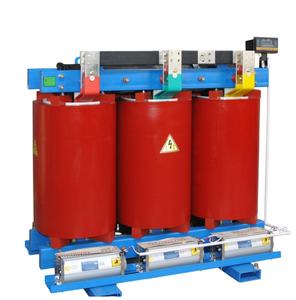
Transformer jenis kering: mengapa ia menjadi pilihan pertama untuk keselamatan dan penjimatan tenaga dalam bangunan moden dan pusat data?

Medan aplikasi dan strategi pengoptimuman litar penyongsang SCR

Pengubah Elektrik: Komponen Penting Sistem Kuasa
