Leverancier van elektronische componenten | Transformatoren, Inductoren, Omvormers


Invoering
Eenelectrical transformer is a fundamental device in power distribution and electronics, ontworpen omtransfer electrical energy between circuits through electromagnetic induction. Door de spanningsniveaus te verhogen of te verlagen, transformers enable efficientlong-distance power transmission and safe voltage adaptation for household and industrial use.
With the global push towardslimme netwerken, integratie van hernieuwbare energie, and electric vehicle (EV) charging infrastructure, transformers are more critical than ever. This article exploreshow transformers work, their key types, efficiency considerations, and emerging trends, optimized forSEO en leesbaarheid to attract organic traffic.
How Does an Electrical Transformer Work?
Transformers operate on the principle ofFaraday’s Law of Electromagnetic Induction, which states that a changing magnetic field induces a voltage in a conductor. A basic transformer consists of:
- Primary Coil – Receives input AC voltage.
- Secondary Coil – Delivers transformed output voltage.
- Ferromagnetic Core – Enhances magnetic coupling between coils.
When AC flows through the primary coil, it generates afluctuating magnetic field, inducing a voltage in the secondary coil. Debochten verhouding (N₁/N₂) determines whether the transformersteps up (increases) ofsteps down (decreases) spanning.
Types of Electrical Transformers
1. Step-Up & Step-Down Transformers
- Step-Up – Increases voltage (bijv., power plants to transmission lines).
- Step-Down – Decreases voltage (bijv., household outlets).
2. Distributietransformatoren
- Used inlocal power grids to supply homes and businesses.
- Typischoliegekoeld of droog type voor de veiligheid.
3. Isolation Transformers
- Voorzienelectrical separation for safety in medical and industrial equipment.
4. Autotransformers
- Single-winding design forcompact, cost-effective voltage adjustment.
5. Instrument Transformers
- Huidige Transformers (CT's) & Potential Transformers (PTs) – Used for metering and protection in high-voltage systems.
Key Advantages of Transformers
✔Efficiënte krachtoverbrenging – Reduce energy loss over long distances.
✔Voltage Adaptation – Enable safe usage in different applications.
✔Galvanic Isolation – Prevent electrical shocks in sensitive devices.
✔Betrouwbaarheid – Long lifespan with minimal maintenance.
Uitdagingen & Modern Solutions
- Energy Losses – Core losses (hysteresis & wervelstromen) and copper losses reduce efficiency.
- Oplossing: Amorphous metal cores and high-efficiency designs (e.g.,Energy Star-rated transformers).
- Heat Dissipation – Large transformers require cooling systems.
- Oplossing: Oil-immersed cooling or forced-air systems.
- Environmental Concerns – Traditional oil-filled transformers risk leaks.
- Oplossing: Eco-friendly ester-based fluids and dry-type transformers.
Transformers in Modern Applications
- Smart Grids – Enable bidirectional power flow forintegratie van hernieuwbare energie.
- Elektrische voertuigen (EV's) – Fast-charging stations rely onhigh-power transformers.
- Hernieuwbare energie – Solar/wind farms usestep-up transformers to feed power into the grid.
- Industriële automatisering – Provide stable voltage forrobotics and CNC machines.
- Datacentra – Ensure uninterrupted power withredundant transformer systems.
Toekomstige trends & Innovaties
- Solid-State Transformers (SSTs) – Use power electronics forsmaller, smarter, and more efficient spanning conversie.
- IoT-Enabled Monitoring – Sensors predict failures viareal-time diagnostics.
- Green Transformers – Sustainable materials and biodegradable insulation oils.
Conclusie
Electrical transformers remain indispensable instroomverdeling, hernieuwbare energie, and modern electronics. Naarmate de technologie vordert, innovations likesolid-state transformers and smart grid compatibility will drive the next generation of energy-efficient systems.
Over PDDN
PDDN is het onlineplatform vanLuoyang Datang Energietechnologie Co., Ltd., een vertrouwde fabrikant en wereldwijde leverancier vanstroomtransformatoren, accessoires voor transformatoren, componenten van schakelapparatuur, energieopslagsystemen op batterijen (BESS), en EV-laadoplossingen. Sinds 2015, we hebben nutsbedrijven ondersteund, EPC-aannemers, en industriële klanten wereldwijd met betrouwbare producten, OEM/ODM-diensten, en technische expertise.
DePDDN Blog provides practical engineering knowledge, product selection guides, maintenance tips, and industry insights for professionals in the power and energy sector.
Learn more: https://www.pddn.com/
E-mail: sales@pddn.com
GERELATEERDE POSTEN
Voordelen, selectiecriteria, en marktvooruitzichten van droge transformatoren
Selectie van droge transformator opgelost: Hoe u tussen de F-Klasse kunt kiezen, H-Klasse, SCB, en SCR
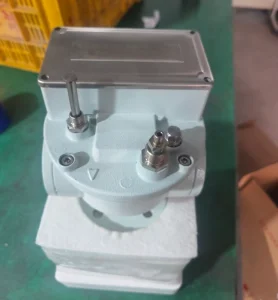
Stapsgewijze handleiding voor het vervangen van een Buchholz-transformatorrelais
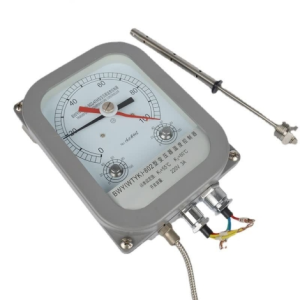
Intelligente digitale drukregelaars schitteren op meerdere terreinen, het verhogen van het niveau van industriële automatisering
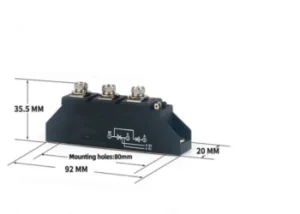
Diode-voedingsmodule: De drijvende kracht achter groene energie