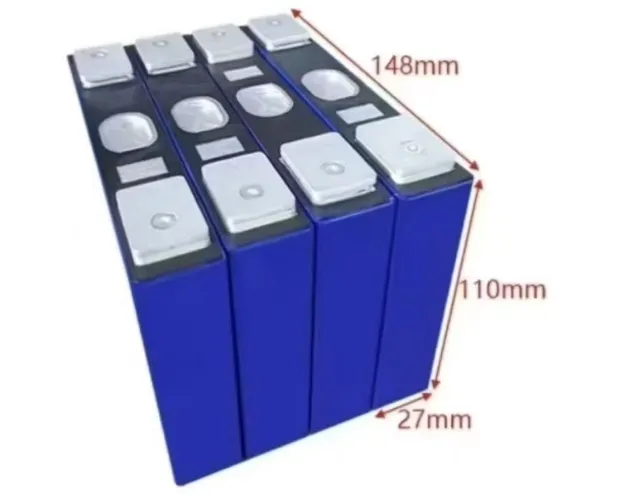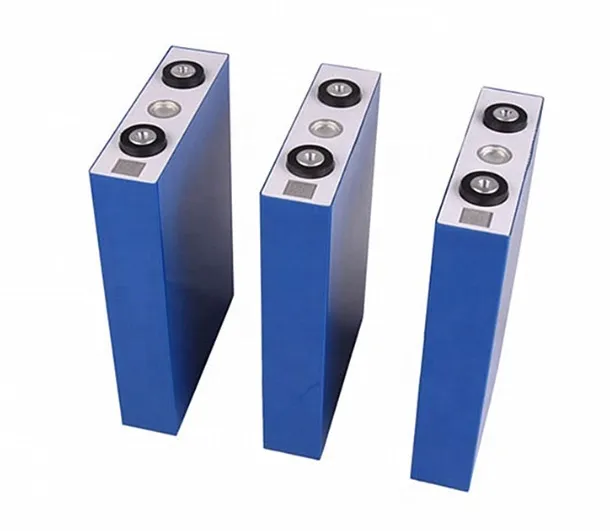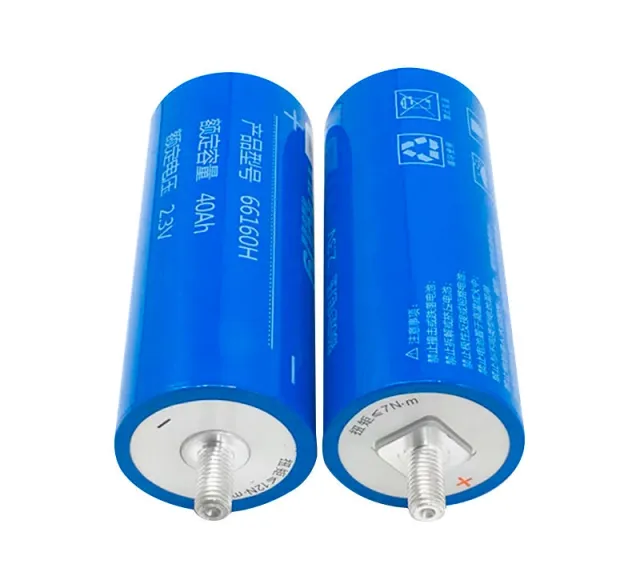
LTO40 2.4V 45Ah Lithium Titanate Battery Cell
Explore LTO40 2.4V 45Ah lithium titanate battery cells for industrial power, electric mobility and energy storage applications. Review cycle life and discharge specifications.
View Product

Product Categories
Battery cells are the electrochemical building blocks of every battery system.
Explore LTO40 2.4V 45Ah lithium titanate battery cells for industrial power, electric mobility and energy storage applications. Review cycle life and discharge specifications.
View ProductExplore 3.2V 210Ah LF280K prismatic battery cells for energy storage and power applications. Ask about technical specifications, OEM labeling, and customization options.
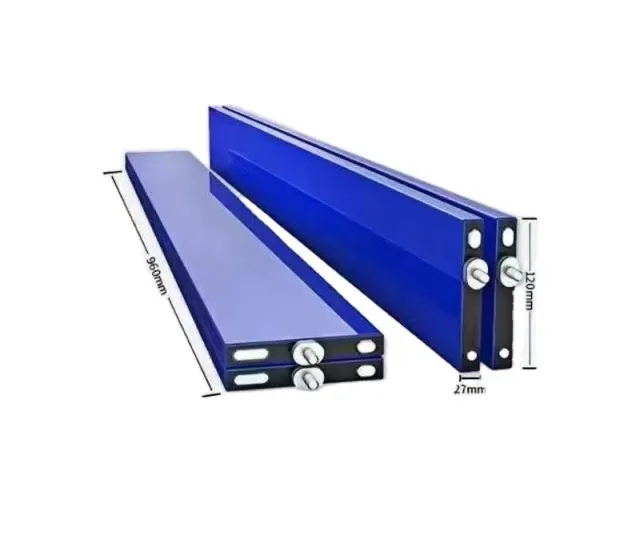
View ProductExplore PT-6887 3.2V blade battery cell specifications for automotive battery systems and customized power applications. Contact us for technical details and customization options.
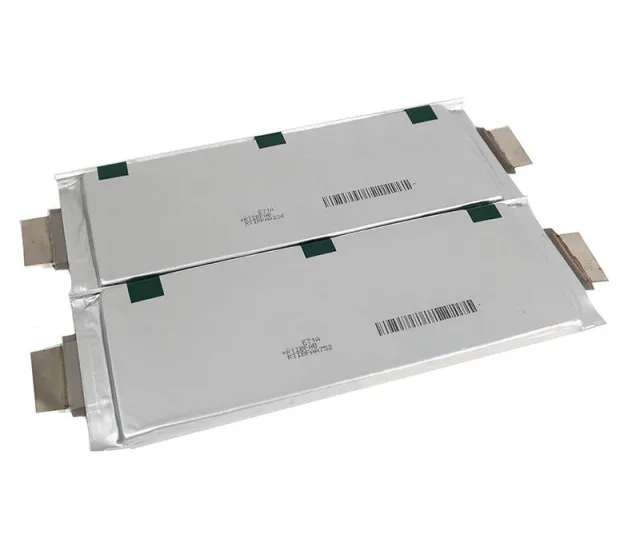
View ProductExplore 3.7V 71Ah E71 lithium-ion pouch battery cells for electric mobility, industrial power and energy storage applications. Custom development and sample testing available.
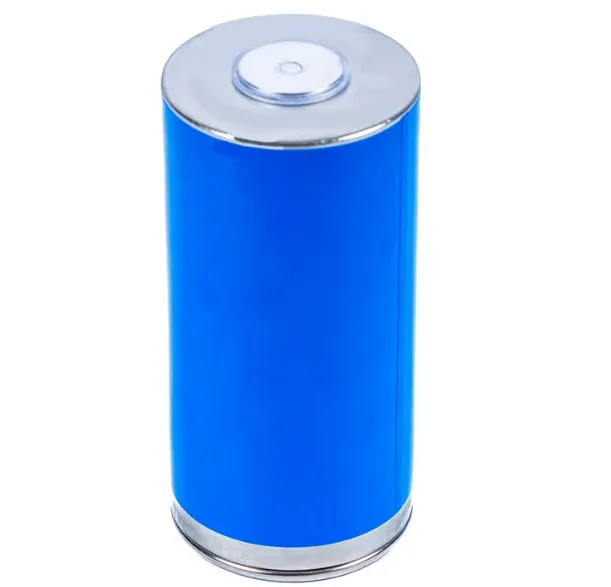
View ProductThe 46950 3.2V 32Ah Cylindrical LiFePO4 Battery Cell is designed for battery pack manufacturers and energy storage applications requiring reliable rechargeable lithium battery cells. Featuring a large cylindrical format, a nominal voltage of 3.2V, and a rated capacity of 32Ah, this cell can be integrated into customized battery packs for various power and energy storage systems.
View ProductThe 3.7V 62.5Ah Prismatic NMC Lithium Battery Cell is a high-capacity rechargeable lithium-ion cell designed for power applications and energy storage systems. Featuring a compact prismatic form factor and a flat, non-swollen appearance, this cell is suitable for battery pack assembly across a wide range of applications.
View ProductOur 105Ah 3.2V Prismatic LFP Battery Cell is a lithium iron phosphate (LiFePO4) battery cell featuring a durable aluminum casing and a compact rectangular design. With a nominal voltage of 3.2V and a rated capacity of 105Ah, it provides 336Wh of nominal energy for compatible battery packs and energy storage applications.
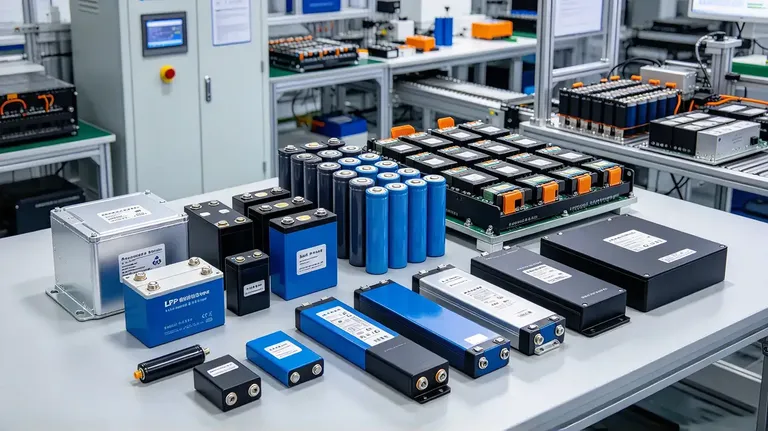
View ProductBattery cells are the electrochemical building blocks of every battery system. Two decisions define a cell: chemistry (LFP, NMC, sodium-ion, LTO) and format (prismatic, cylindrical, pouch, blade). Chemistry sets voltage platform, energy density, cycle life, thermal risk, and temperature window. Format sets manufacturing method, module/pack integration path, and mechanical behavior. Neither can be optimized in isolation—a high-energy chemistry in the wrong format, or a robust format paired with an unsuitable chemistry, produces a cell that fails at system level.
Cells are supplied at component level. BMS, thermal management, electrical protection, and structural integration are implemented at module and pack level. This page indexes cells by chemistry and format; exact capacity, internal resistance, dimensions, and test-condition-specific cycle data are provided on individual product pages and datasheets.
Typical cell-level ranges for orientation. Exact values vary by manufacturer and test condition; confirm against the specific datasheet before design lock.
Chemistry | Nominal Voltage | Energy Density (cell) | Cycle Life (to 80%) | Thermal Runaway Threshold | Temperature Window | Typical Formats |
|---|---|---|---|---|---|---|
LFP | 3.2–3.22 V | 160–193 Wh/kg | 6,000–7,000+ cycles | ~270°C | Discharge −35°C to 65°C; charge −10°C to 65°C (commercial prismatic) | Prismatic, cylindrical, blade |
NMC | 3.6–3.82 V | 220–240 Wh/kg | 1,500–3,000 cycles @ 80% DoD | ~210°C | Usability declines below −20°C and above 45°C ambient | Prismatic, cylindrical, pouch |
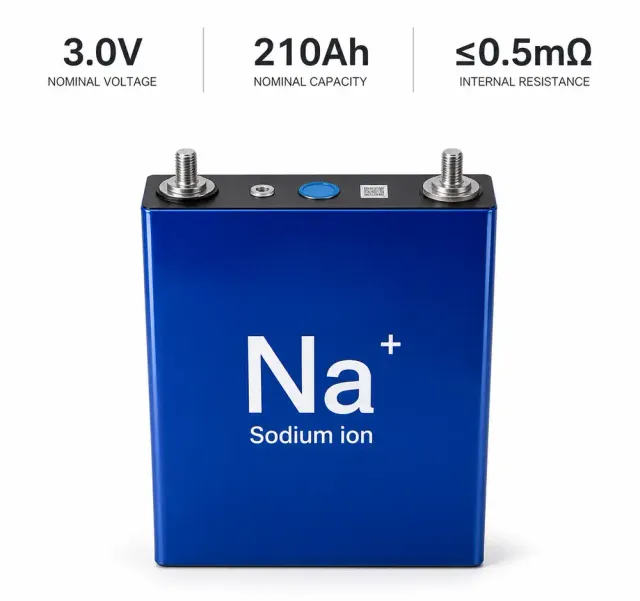
Sodium-ion | ~3.0 V | >160 Wh/kg (energy-optimised grade) | >8,000 cycles; 20-year calendar life | Chemistry-dependent; generally favourable | −40°C to +65°C | Prismatic, pouch |
LTO | 2.3–2.4 V | 60–110 Wh/kg | 6,000–45,000 cycles (design- and condition-dependent) | Lower risk due to zero-strain anode | Wide; tolerates high-temperature cycling | Prismatic, cylindrical |
Format parameters: prismatic capacity typically spans 50–300+ Ah, with large-format ESS cells at 267–587 Ah and volumetric energy density up to 434 Wh/L. Cylindrical covers standardized sizes including 18650, 21700, 26650, and 4680. Pouch offers flexible dimensions and the highest gravimetric energy density in the NMC class (~240 Wh/kg). Sodium-ion prismatic and pouch cells are available at 50–300 Ah.
Certification and transport: UN 38.3 is the baseline transport requirement for lithium-ion cells. Sodium-ion cells from at least one supplier are classified as Non-Dangerous Goods (Class 9 Exempt) and can ship at 0V. IEC 62619/62620 apply where stationary or industrial use is claimed.
No. Voltage platforms differ (3.2V vs. 3.6–3.8V), so series count, BMS thresholds, and charger profile must change. Thermal design differs too.
Only if the test conditions match your duty. Compare cycle life at the temperature, C-rate, and DOD the application will actually see, not at headline conditions.
Yes. The voltage window (~3.0V nominal) differs from LFP and NMC; BMS thresholds, balancing logic, and SOC algorithms must be re-parameterized. Do not assume a lithium-ion BMS will operate a sodium-ion string correctly without reconfiguration.
Share your product requirements, estimated order quantity, and target delivery destination.

Hi! Before we connect you to our WhatsApp team, please share 5 quick details.