Product Overview
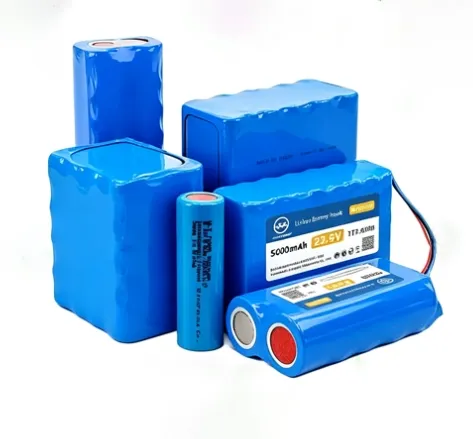
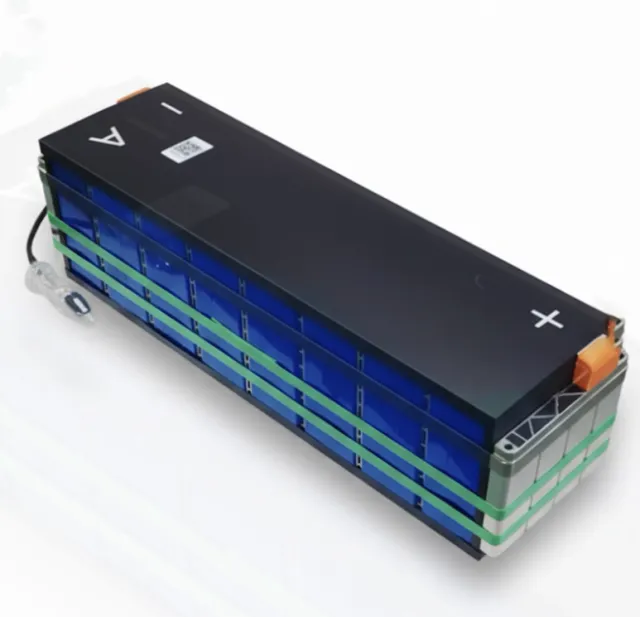
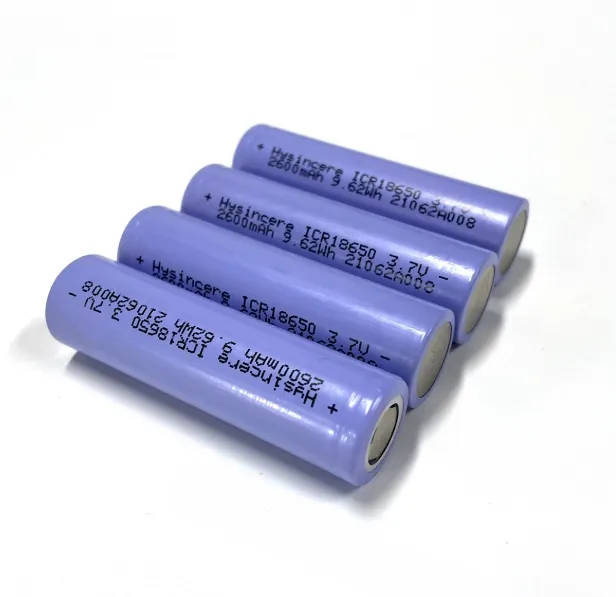
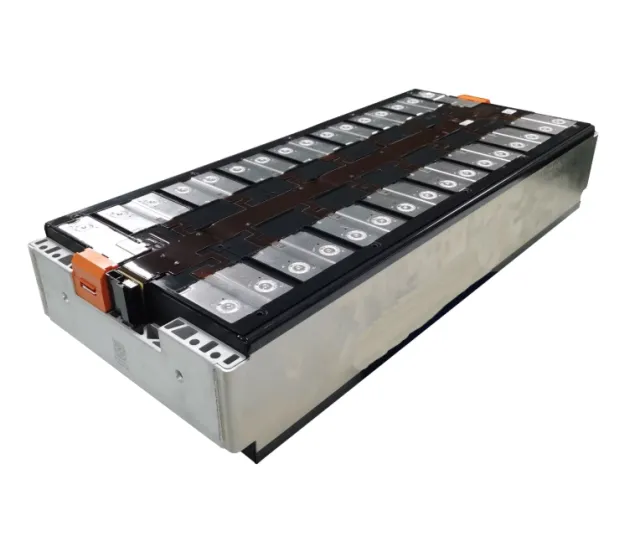
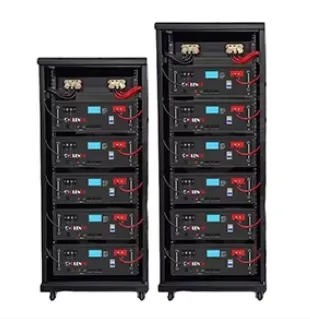
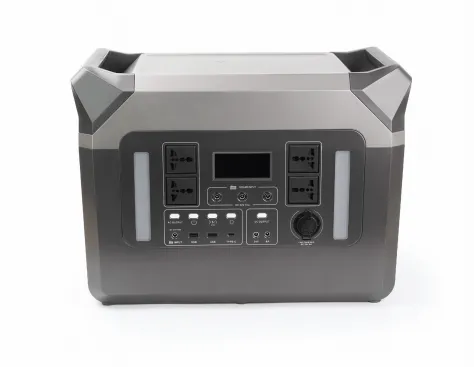
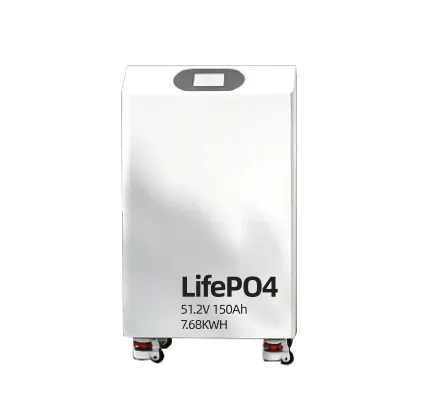
Battery modules for system integrators, OEMs and project buyers, organized by chemistry and format: LFP, NMC, Cylindrical, Sodium-ion and Custom. Selection depends on four variables — duty cycle, energy density, operating temperature and certification market — not chemistry reputation alone. This category covers modules from 12–48 V nominal classes to high-voltage stacks configured through series/parallel arrangements, with certification pathways spanning transport, industrial module safety and North American system requirements.
Key Features
- Five subcategories by chemistry/format — LFP, NMC, cylindrical-cell, sodium-ion and custom-built modules.
- Cycle life range ~3,000 to >10,000 cycles, depending on chemistry and depth of discharge.
- Voltage classes from 12–48 V nominal to high-voltage stacks via series/parallel configuration.
- Certification pathways: UN38.3 (transport), IEC 62619 (industrial module safety), UL 1973 (North America), UL 9540A (system fire propagation where required).
- Custom modules available — voltage, capacity, BMS, enclosure, connector and protocol specified to the host system.
Technical Specifications — Chemistry Comparison
Parameter | LFP | NMC | Cylindrical | Sodium-ion | Custom |
|---|
Nominal cell voltage | 3.2 V | 3.6–3.7 V | Cell-dependent | ~3.0–3.1 V | User-defined |
Energy density (indicative) | ~120–200 Wh/kg | ~180–300 Wh/kg | Cell-dependent | ~165–175 Wh/kg | Application-specific |
Cycle life (to ~80% SoH) | ~3,000–10,000 | ~1,500–5,000 | Cell-dependent | >10,000 claimed | Chemistry-dependent |
Thermal stability | High | Lower than LFP | Cell-dependent | Generally favorable | Per design |
Low-temp performance | Weaker below freezing | Better than LFP | Cell-dependent | Good | Specified |
Typical module voltage | 12.8 / 25.6 / 48 V, HV stacks | Higher per series string | 18650 / 21700 / 26650 / 32700 / 4680 based | 12–48 V class emerging | Any |
Caveat: Ranges are indicative commercial values. Use the specific module datasheet and test certificate for procurement.
Typical Applications
Subcategory | Best-fit use |
|---|
LFP | Solar storage, UPS, telecom backup, stationary ESS |
NMC | E-mobility, robotics, portable power, space-constrained packs |
Cylindrical | Power tools, light EV, storage racks, OEM packs |
Sodium-ion | Cost-sensitive storage, backup power, lithium-supply-risk mitigation |
Custom | OEM builds with fixed mechanical/electrical interfaces |
Installation & Maintenance Notes
Installation
- Torque terminals with a calibrated tool; use the datasheet value, not a generic figure.
- Strain-relieve cable weight; terminals are not structural anchors.
- Verify polarity and series/parallel configuration before energizing.
- Observe ventilation and thermal clearance; do not install in explosive or high-humidity areas.
Maintenance
- Every 6–12 months: re-check terminal torque and connection resistance.
- Annually: thermal imaging to catch hotspots from poor connections.
- Periodic capacity test: baseline at commissioning, then track against nameplate and cycle-life warranty.
- Monthly BMS log review: cell voltage spread, internal resistance trend and state-of-health degradation are early failure indicators.
- Modules stored >12 months: capacity-check before deployment.